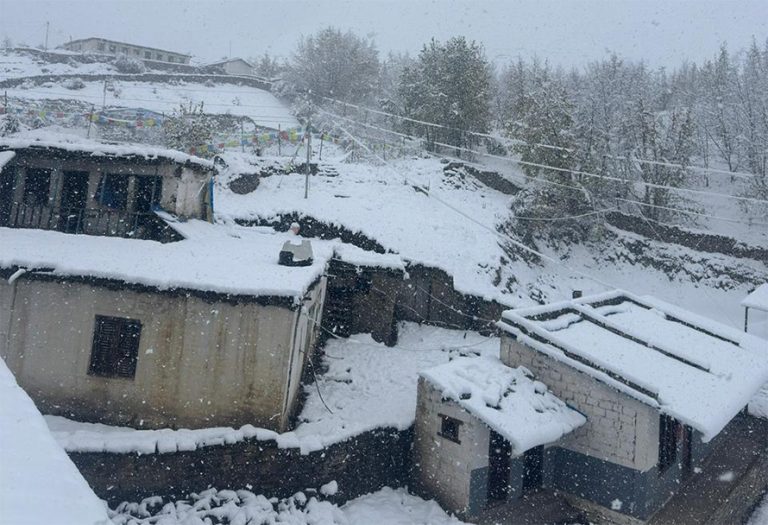
The Annapurna Conservation Area (ACA) recorded a total of 21,048 international visitors in September 2026, reflecting continued international interest in one of Nepal’s most popular trekking and nature-based tourism destinations. Of the total visitors, 10,343 were from SAARC countries, while 10,705 were other foreign visitors from outside the South Asian regional bloc. The visitor figures indicate a positive flow of international tourists into the conservation area and highlight the continued appeal of the Annapurna region among both regional and international travelers.
SAARC Visitors Account for Nearly Half of Arrivals
Visitors from SAARC countries, including India, Bangladesh and Sri Lanka, accounted for 10,343 arrivals in September. The strong presence of South Asian visitors demonstrates the importance of the regional tourism market for the Annapurna Conservation Area, particularly as travelers from neighboring countries increasingly explore Nepal’s trekking, natural and cultural attractions. The geographic proximity of South Asian markets, combined with Nepal’s mountain landscapes, religious sites, local communities and relatively accessible trekking destinations, continues to support visitor movement into the Annapurna region.

Other International Visitors Slightly Outnumber SAARC Arrivals
A total of 10,705 visitors from outside the SAARC region entered the Annapurna Conservation Area during September 2026. This figure was slightly higher than the number of SAARC visitors, accounting for more than half of the month’s total international arrivals. The continued arrival of travelers from international markets underlines the global reputation of the Annapurna region as a major trekking destination and an important component of Nepal’s adventure tourism sector.
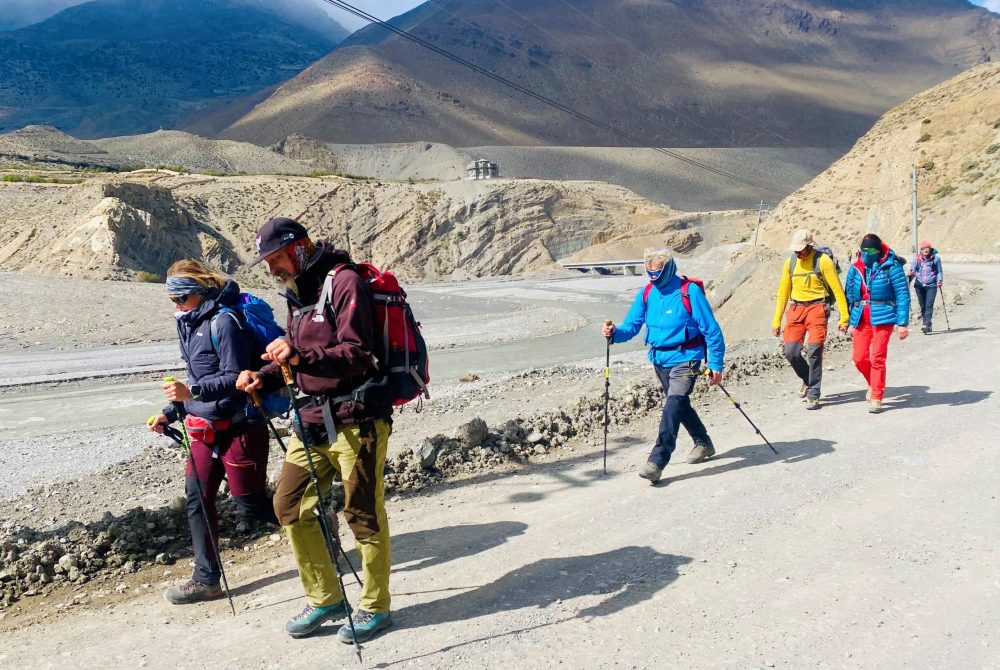
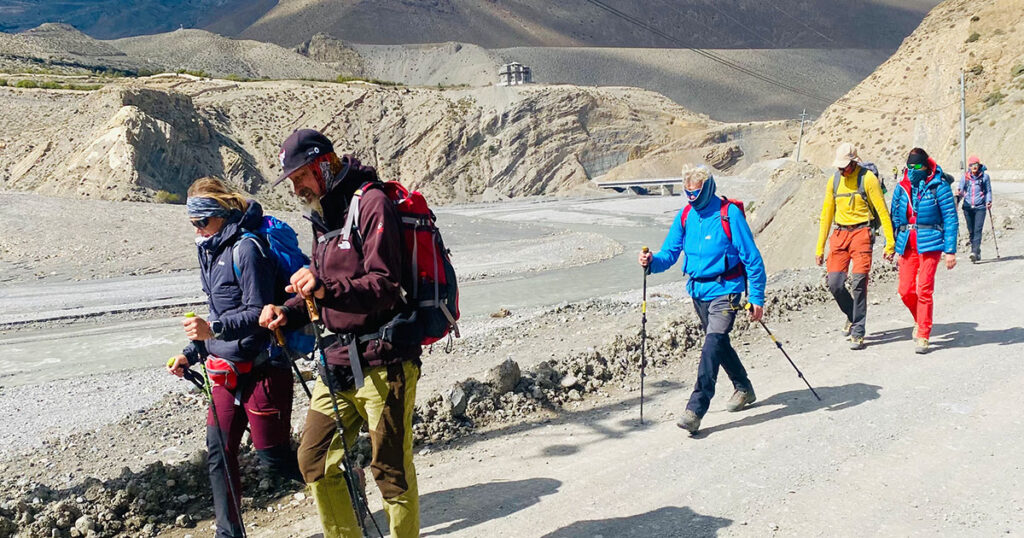
The ACA is known for its diverse landscapes, ranging from subtropical forests and traditional mountain settlements to high-altitude terrain and spectacular Himalayan views. Popular trekking routes within and around the conservation area have long attracted travelers seeking trekking, mountain experiences, cultural encounters and nature-based tourism.
Growing Interest Supports Nepal’s Tourism Recovery
The September 2026 figures point to a positive trend in international visitor movement into the Annapurna Conservation Area. Increasing visitor interest is particularly significant for Nepal’s tourism industry, as trekking and mountain tourism remain among the country’s strongest international tourism products. The Annapurna region contributes not only to Nepal’s tourism image but also to the livelihoods of local communities involved in accommodation, food services, guiding, transportation, handicrafts and other tourism-related activities.
The continued flow of international visitors also demonstrates the resilience of the Annapurna destination and the importance of maintaining safe, accessible and well-managed trekking infrastructure. As international travelers increasingly seek nature, adventure and authentic cultural experiences, the Annapurna Conservation Area remains well positioned to benefit from the growing demand for sustainable and experience-based tourism.

Annapurna Remains a Key International Trekking Destination
The latest visitor trend reinforces the Annapurna Conservation Area’s position as one of Nepal’s leading international tourism destinations. With 21,048 international visitors recorded in September alone, the region continues to attract a balanced mix of visitors from neighboring South Asian countries and overseas markets.
The positive arrival trend provides encouraging momentum for the tourism businesses and communities operating across the Annapurna region. Continued promotion, improved visitor services, responsible conservation practices and reliable trekking infrastructure will be important to sustain this momentum and ensure that rising tourism contributes to both local economic development and the long-term protection of the area’s natural and cultural heritage.