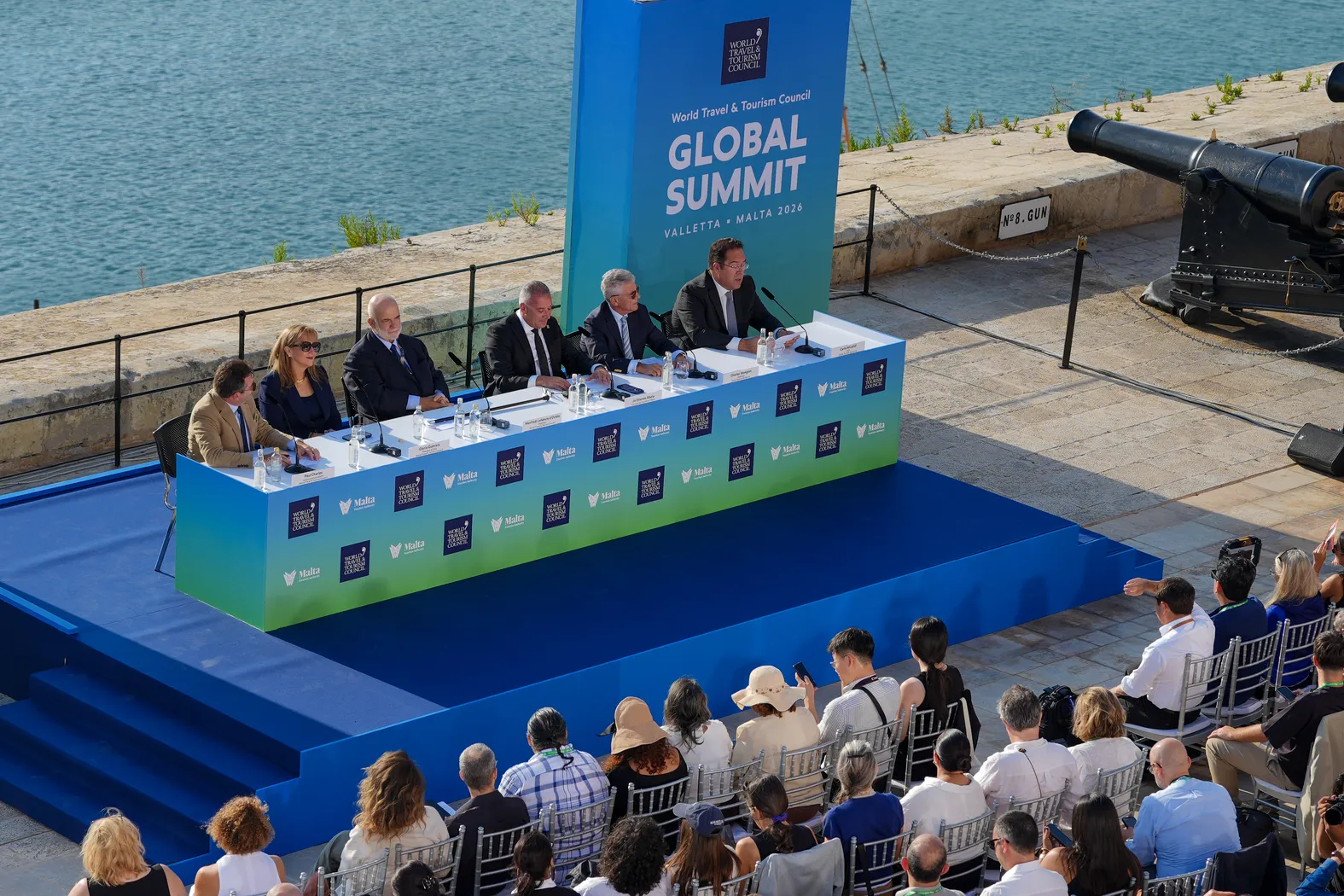
Europe’s Travel & Tourism sector is forecast to grow by 3.1% in 2026, strengthening its contribution to the regional economy and exceeding the 2.6% growth recorded in 2025, according to the latest research from the World Travel & Tourism Council (WTTC). The findings were released at the opening press conference of the WTTC’s 26th Global Summit in Malta, where global tourism leaders are meeting to discuss the future direction of the industry amid continuing geopolitical and economic uncertainty.
The latest outlook highlights the resilience of Travel & Tourism despite challenges affecting the global economy. While the sector worldwide is expected to expand by 2.5% in 2026, Europe is projected to perform more strongly. International visitor spending in Europe is expected to rise by 5.8%, while leisure travel spending is forecast to increase by 3.1% and business travel spending by 4.2%.
The projections underline the continued importance of tourism to Europe’s economic activity, employment and investment. Travel & Tourism supports approximately one in every ten jobs across the region, providing employment and business opportunities for communities, tourism enterprises and destinations.

Global Tourism Sector Continues to Outperform Wider Economy
WTTC’s latest forecast comes against a backdrop of significant geopolitical and economic uncertainty. Despite these pressures, Travel & Tourism continues to demonstrate resilience and is expected to outperform the wider global economy in 2026. According to WTTC, the global sector contributed US$11.6 trillion to the world economy in 2025, equivalent to 9.8% of global GDP, while supporting 366 million jobs, or nearly one in every nine jobs worldwide.
WTTC President and CEO Gloria Guevara said the sector’s resilience demonstrates its long-term potential but stressed that governments need to establish the right conditions for further growth. She said Europe’s stronger growth outlook presents a significant opportunity for investment and innovation, but governments must focus on seamless travel, improved connectivity, workforce development and sustainable growth to ensure the region captures the full benefits of rising tourism demand.
More Than 1,000 Global Leaders Gather in Malta
The latest economic outlook was unveiled as more than 1,000 delegates, including more than 200 leading Travel & Tourism CEOs and government leaders, gathered in Valletta for WTTC’s flagship annual summit. The event features more than 100 speakers and brings together senior figures from governments, tourism organisations and the private sector to examine the challenges and opportunities shaping the global tourism industry.
Among the high-profile participants are Justin Trudeau, former Prime Minister of Canada; José María Aznar, former Prime Minister of Spain; Apostolos Tzitzikostas, European Commissioner for Sustainable Transport and Tourism; and Nick Adams, the first U.S. Presidential Envoy for Tourism. The concentration of political and business leadership reflects the growing importance of tourism policy, investment and international cooperation as destinations seek to remain competitive in an increasingly changing global travel market.
Summit to Focus on Investment, Technology and Sustainable Growth
The FUTU[RE]SET Global Summit will focus on the policies, partnerships and innovations required to strengthen the competitiveness and resilience of Travel & Tourism. Key discussions will centre on investment, connectivity, technology and artificial intelligence, workforce development, destination competitiveness and sustainable growth. These issues are becoming increasingly important as destinations respond to changing traveller preferences, technological transformation and wider economic and geopolitical developments.
WTTC Chairman Manfredi Lefebvre said the summit provides an opportunity for industry and government leaders to strengthen partnerships and advance initiatives aimed at ensuring Travel & Tourism continues to generate growth, investment and opportunities globally. The discussions are also expected to examine how governments and businesses can work together to remove barriers to travel, improve infrastructure, develop skilled tourism workforces and encourage investment while maintaining the environmental and social sustainability of destinations.
Malta Positions Tourism as a Driver of Sustainable Development
Malta is hosting the summit as part of its efforts to strengthen its position within the international Travel & Tourism industry. The country has placed increasing emphasis on creating greater economic, social and environmental value from tourism rather than focusing solely on increasing visitor numbers. Carlo Micallef, CEO of the Malta Tourism Authority, said Malta’s tourism vision is centred on creating greater value through sustainable and resilient tourism. He highlighted the importance of innovation while preserving Malta’s identity and ensuring tourism delivers tangible benefits to local communities.
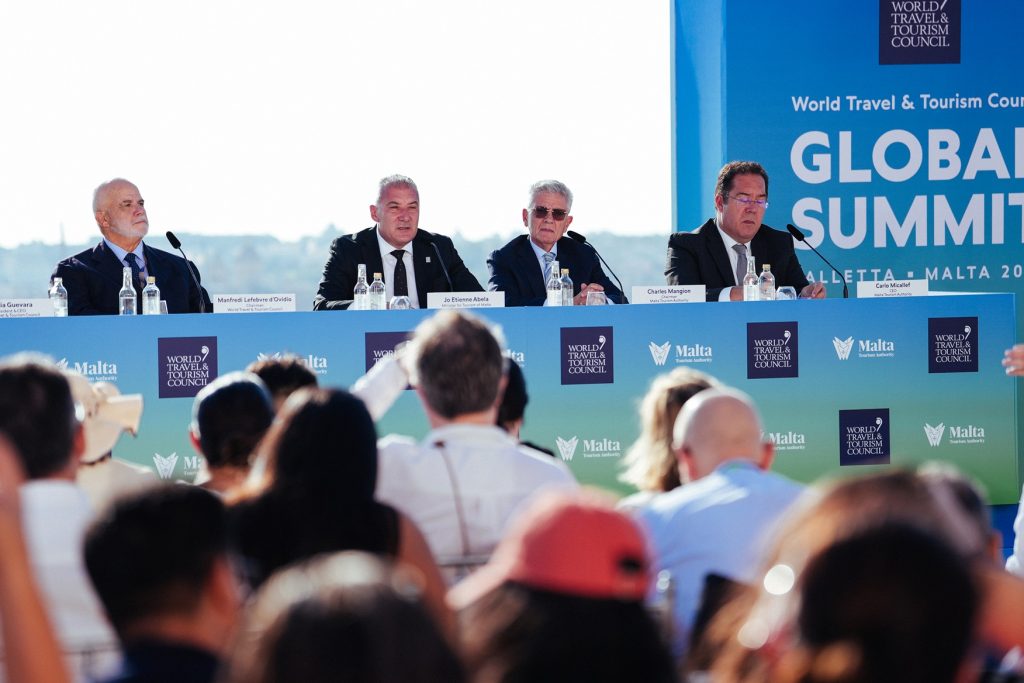
The approach reflects a wider shift within the global tourism industry, with destinations increasingly seeking to balance visitor growth with environmental protection, community well-being and long-term economic value. Dr Charles Mangion, Chairman of the Malta Tourism Authority, said hosting the summit represents an important opportunity for Malta to demonstrate its achievements as a tourism destination while contributing to international discussions about the sector’s future. He stressed that tourism growth must remain closely linked to the well-being of local communities and that the benefits of tourism development should be shared while maintaining sustainability for future generations.
Malta Tourism Contribution Expected to Reach US$4.9 Billion
WTTC’s latest Economic Impact Research projects that Travel & Tourism will contribute US$4.9 billion to Malta’s economy in 2026, representing 16.9% of the country’s GDP. The sector is also expected to support more than one in five jobs in Malta, demonstrating the industry’s significance to the country’s employment market and wider economy.
Malta’s recent tourism performance has also stood out within Europe. In 2025, the country recorded the highest annual increase in Travel & Tourism’s contribution to GDP among European economies, with the sector’s economic contribution increasing by 16.8%, compared with the European average growth of 2.6%. The figures reinforce Malta’s position as one of Europe’s stronger tourism performers and provide an important backdrop to the country’s hosting of the WTTC Global Summit.
Europe Faces Both Opportunities and Challenges
The stronger European growth forecast comes at a time when the region’s tourism industry is navigating a complex operating environment. Rising visitor demand creates opportunities for businesses, destinations and communities, but it also increases pressure on infrastructure, workforce capacity and destination management.
The projected 5.8% increase in international visitor spending suggests that international tourism will remain a major source of economic activity. At the same time, the expected growth in leisure and business travel spending points to continued diversification in tourism demand.
For Europe to maintain its competitive position, however, investment in transport connectivity, tourism infrastructure, digital technologies and human resources will remain essential. Artificial intelligence and other emerging technologies are also expected to play a growing role in how tourism businesses manage operations and deliver services.
WTTC Calls for Coordinated Action
WTTC is using the Malta summit to bring governments and businesses together to develop practical responses to the challenges facing Travel & Tourism. The council is emphasising stronger investment, better connectivity, technological innovation, talent development and sustainable destination management. The sector’s economic scale means that policy decisions made today could have significant implications for employment, investment and international tourism competitiveness in the years ahead.

With Europe expected to grow faster than the global Travel & Tourism sector in 2026, WTTC’s latest projections suggest that the region has an opportunity to strengthen its position as a leading global tourism market. However, capturing that opportunity will depend on how effectively governments, businesses and communities work together to ensure that growth remains competitive, inclusive and sustainable.
About WTTC
The World Travel & Tourism Council (WTTC) represents the global private sector of Travel & Tourism and serves as a leading authority on the industry’s economic and social contribution. Its membership includes chairpersons, presidents and CEOs of major companies across hotels, airlines, airports, cruise lines, tour operators, technology platforms and destinations. WTTC works to promote sustainable growth in Travel & Tourism through cooperation between industry leaders and governments, global policy development and research into the sector’s economic impact.
About the Malta Tourism Authority
The Malta Tourism Authority (MTA) is responsible for promoting, regulating and developing tourism in the Maltese Islands. Operating under the Ministry for Tourism, the authority works with government bodies, private-sector stakeholders, international partners and local communities to strengthen Malta’s tourism industry. Its responsibilities include tourism promotion, licensing and compliance, research and statistics, tourist information services, quality assurance and destination development, while also working with hotels, airlines, cruise operators, event organisers and travel professionals to maintain Malta’s competitiveness in the international tourism market.