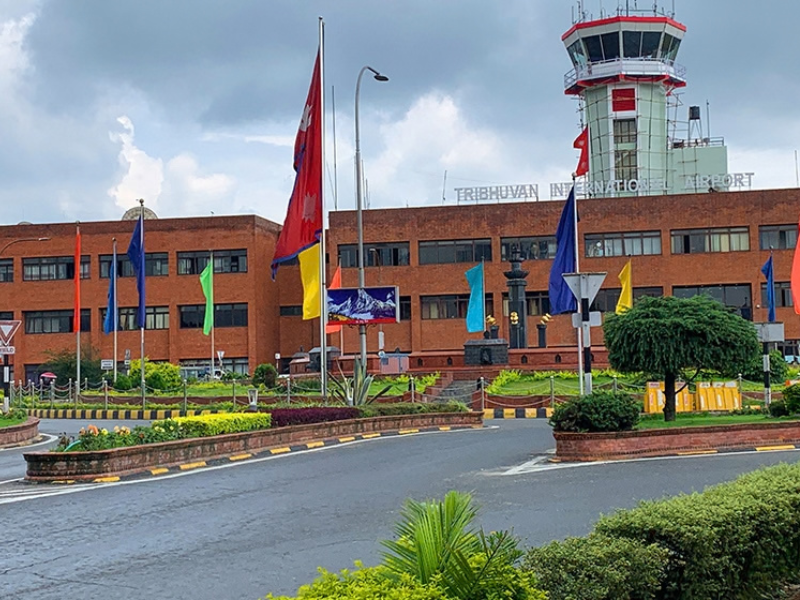
Japan has given a JPY 2.853 billion (about Rs 2.767 billion) grant to Nepal to upgrade air traffic control infrastructure at Tribhuvan International Airport (TIA) to facilitate modernization of Nepal’s main international gateway. The assistance was provided in the form of a grant through an exchange of notes by the Japanese Ambassador to Nepal Maeda Toru and Ghanshyam Upadhyaya Secretary at the Ministry of Finance.
The Japanese assistance will be utilized under the Project for the Improvement of Air Traffic Control Facilities at Tribhuvan International Airport. The project will enhance the safety, reliability, and capacity of Nepal’s busiest airport, which has been constrained by topography, adverse weather conditions, and the growing volume of air traffic.

New Air Traffic Control Infrastructure to Modernize Kathmandu Airport
The Japanese assistance will upgrade the existing air traffic control infrastructure at TIA and introduce state-of-the-art systems to manage the rising traffic safely and efficiently. Earlier reports by the Embassy of Japan stated that the project entails construction of a new nine-storey air traffic control tower building and a new air navigation service building while the existing tower will continue to provide backup support.
The project also involves upgrading technical and building installation equipment. According to the Embassy of Japan, the assistance will upgrade power supply, including uninterrupted power supply, heating, ventilating, air conditioning, fire protection, and security systems as well as communication, navigation, and surveillance systems. Furthermore, the air traffic management systems will be upgraded to standardize procedures in accordance with the regulations of the International Civil Aviation Organization (ICAO) to improve the capacity of controllers handling flights over Nepal.
Modernizing Air Traffic Control to Enhance Safety
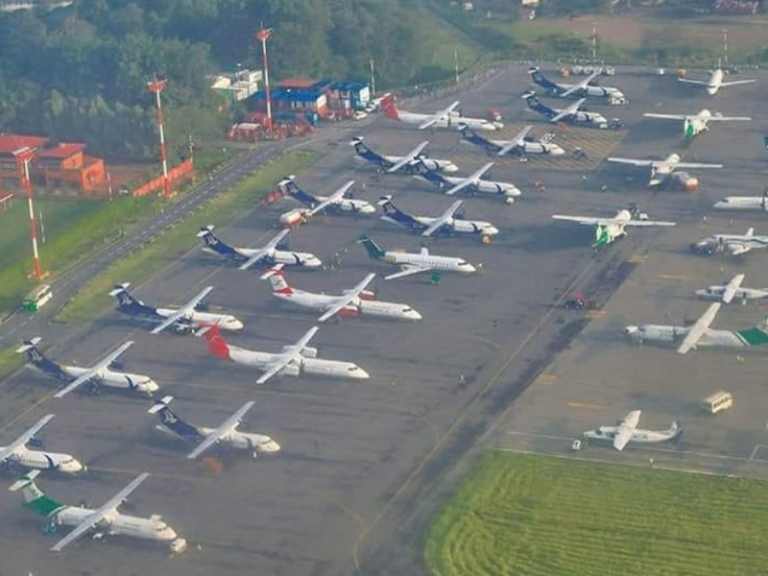
TIA is Nepal’s busiest airport in terms of both international and domestic passenger traffic. Located in the Kathmandu Valley, TIA is surrounded by mountainous uplifts and narrow valleys, making it one of the most challenging airports in the world to navigate. The Japanese government said the upgrades will improve safety and traffic management while also boosting the airport’s capacity to withstand disasters and other disruptions to normal operations.
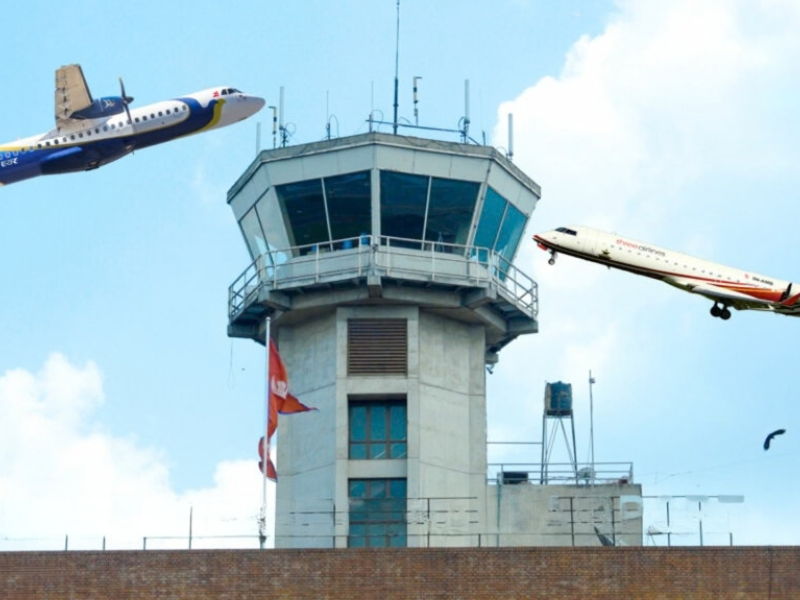
According to the Japanese government, modernizing the infrastructure will improve service reliability while facilitating more systematic management of the high volume of aircraft traffic. The upgrades will also ensure high levels of safety for commercial aircraft operating in and out of the airport.
Earlier reports indicate that international passenger traffic at TIA has crossed five million per annum, while international aircraft movements have more than doubled in the past two decades. Moreover, Nepal’s domestic aviation sector is also witnessing a steady increase in both passenger and cargo traffic. This trend is expected to put even more pressure on TIA as the country’s sole international gateway. Modernizing Nepal’s air traffic control infrastructure is therefore critical to ensuring the smooth flow of both international and domestic air traffic.
Japan Steps In To Assist Nepal’s Aviation Sectors
Japan has in the past assisted Nepal in various ways, including providing technical support and equipment. Additionally, Japan has supported capacity development in Nepal’s civil aviation sector through Japan International Cooperation Agency (JICA). Japan has been supporting Nepal to develop and maintain adequate aviation surveillance infrastructure since the early 1990s.
The technical cooperation component of this project is thus expected to further contribute to capacity development in Nepal’s civil aviation sector while also supporting the country’s efforts to improve air traffic management and safety. Japan has provided technical support, equipment, and infrastructure to Nepal’s civil aviation sector, including radar systems at TIA and Bhattedanda. The Japanese Embassy noted that the project will facilitate long-term maintenance of equipment, systems, and facilities through manpower development.

Modernizing Air Traffic Control Infrastructure Will Facilitate Greater Connectivity For Nepal
Upgrading the air traffic control infrastructure at TIA will not only improve safety but also facilitate easier and more reliable connectivity to and from Nepal. Nepal’s international gateway airport handles the lion’s share of the country’s international tourist arrivals and serves as a major regional hub. Besides facilitating greater international tourist arrivals, enhanced air connectivity will also help promote Nepal’s exports and import trade. Reliable air transport is critical to sustaining Nepal’s tourism sector, which remains the backbone of the Nepalese economy.
The Japanese Embassy noted that improved airport and air traffic management infrastructure will facilitate expanded international air connectivity and support Nepal’s economic growth. This latest aid to Nepal comes as Japan and Nepal commemorate the 70th anniversary of the establishment of diplomatic relations between the two countries. The two countries have a long-standing relationship based on friendship and regional cooperation, and the assistance to TIA is part of Japan’s efforts to support Nepal’s infrastructure development needs.