
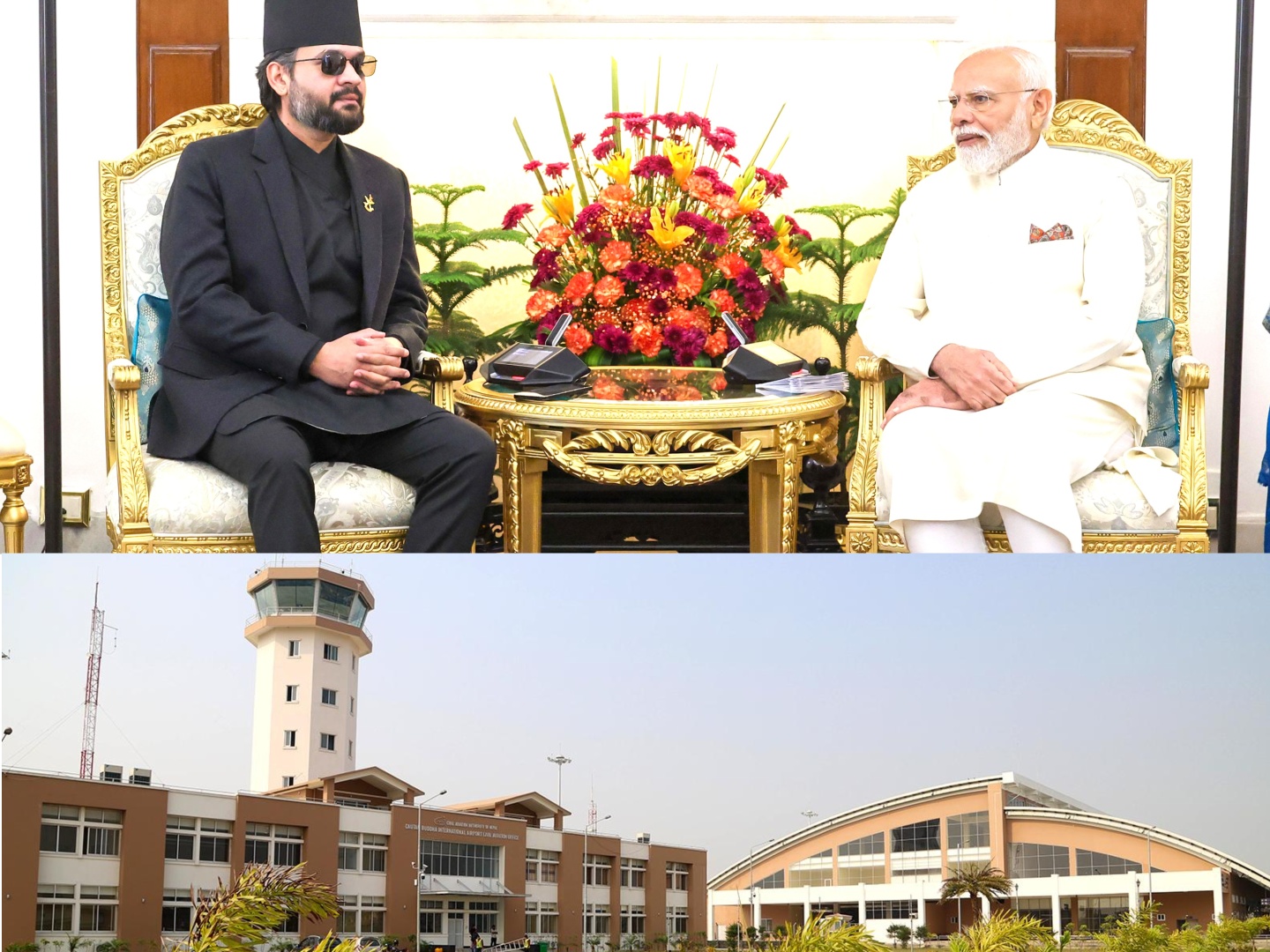
Nepal and India have reached an agreement to operationalise the Kathmandu–Bhairahawa–Lucknow air route in both directions, marking a significant development in bilateral aviation connectivity and creating new opportunities for Nepal’s international flight operations. The agreement was announced through a joint statement issued following high-level discussions between the two countries. Under the understanding, the currently one-way B345 air route connecting Kathmandu, Bhairahawa and Lucknow will be converted into a bidirectional route.
The two countries have agreed to undertake technical consultations to finalise the procedures and arrangements required for its implementation, alongside discussions on other civil aviation proposals. The agreement is expected to improve international air connectivity through Nepal’s western region, particularly by facilitating aircraft entering the country through Bhairahawa. The development could also support the operational potential of Gautam Buddha International Airport and strengthen Nepal’s efforts to expand its international aviation network through regional airports.

Nepal and India Agree to Expand Air Connectivity
The agreement on the Kathmandu–Bhairahawa–Lucknow air route was reached as part of ongoing bilateral discussions between Nepal and India on strengthening connectivity and economic cooperation. The joint statement issued by the two countries highlighted the importance of continued engagement in civil aviation to improve transportation links and promote bilateral economic relations. According to the statement, both sides have agreed to convert the existing one-way B345 route into a two-way air route. Technical-level consultations will be conducted to finalise the necessary procedures and operational arrangements for implementing the agreement.
The discussions will also address other civil aviation proposals currently under consideration between Nepal and India, indicating continued cooperation in improving air connectivity between the neighbouring countries. The agreement marks progress in Nepal’s efforts to secure additional international air entry routes from India, which are important for improving access to the country’s regional international airports and supporting the expansion of international flight services.
B345 Route to Facilitate International Flights Through Bhairahawa
The B345 air route, connecting Kathmandu, Bhairahawa and Lucknow, has so far been available as a one-way route for aircraft departing Nepal. The proposed bidirectional arrangement will allow aircraft to use the route for both arrivals and departures, subject to the completion of technical and operational procedures. The availability of a two-way route through Bhairahawa could provide greater flexibility to international airlines operating flights to Nepal from western destinations. Aircraft arriving from the western direction may be able to enter Nepal through the Bhairahawa corridor rather than relying exclusively on existing entry routes.
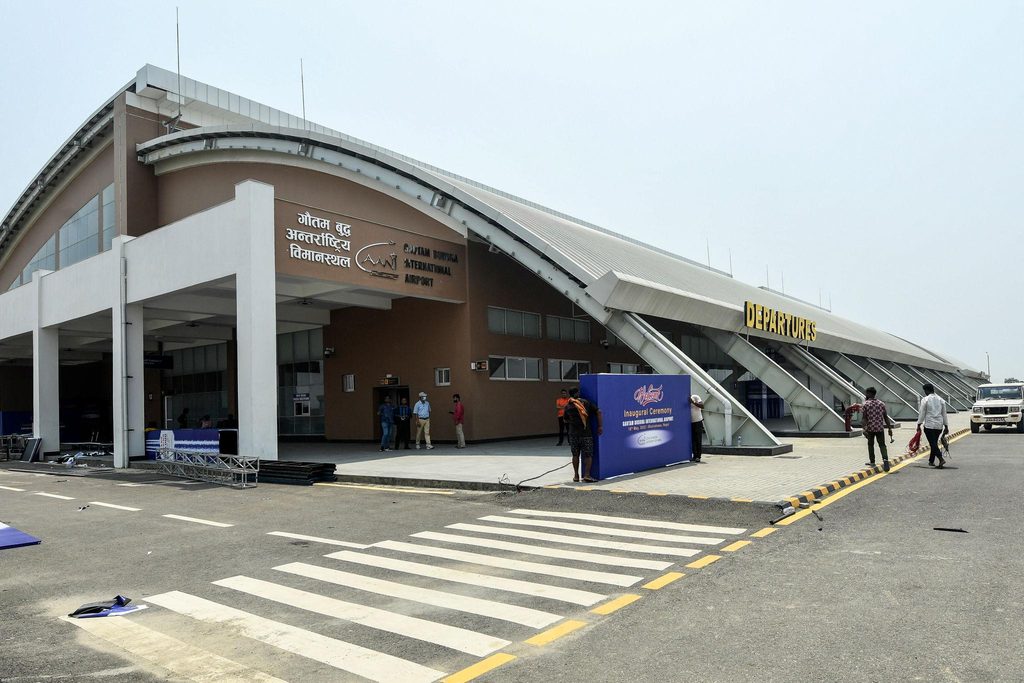
The development is particularly relevant to Gautam Buddha International Airport, which was developed to serve international passengers travelling to and from Nepal’s western region. The airport’s location near the Nepal–India border provides strategic advantages for international connectivity, particularly for destinations in western and southern Asia. Improved air access through Bhairahawa could help airlines assess new flight operations and potentially improve the commercial viability of international services. Depending on operational requirements and airline route planning, the bidirectional air route could also contribute to more efficient flight operations, including potential reductions in flying distance, time and fuel consumption for certain services.
Longstanding Demand for Additional International Air Entry Routes
Nepal has been seeking additional international air entry routes from India for more than a decade, particularly following the development of Gautam Buddha International Airport in Bhairahawa and Pokhara International Airport. The availability of international air entry routes has remained an important consideration in the operation and expansion of Nepal’s regional international airports. International flights arriving from the western direction have traditionally relied heavily on the Simara entry route, creating limitations for aircraft operating to airports in the western and central parts of Nepal.

The agreement to make the B345 route bidirectional is expected to provide an additional option for international aircraft entering Nepal from the western side. This could improve flight planning flexibility and help strengthen the operational potential of Nepal’s regional airports. The development also reflects the importance of continued bilateral cooperation in aviation infrastructure and airspace connectivity, particularly as Nepal seeks to expand international flight operations beyond Kathmandu.
Bhairahawa Airport and Tourism Connectivity
Gautam Buddha International Airport in Bhairahawa is strategically positioned to serve international visitors travelling to Lumbini, the birthplace of Gautama Buddha and one of Nepal’s most important tourism destinations. Improved international air connectivity through Bhairahawa could make travel to Lumbini more convenient for visitors arriving from international markets. The airport also has the potential to support tourism development across Nepal’s western region by providing an additional international gateway for visitors. Improved flight connectivity can help facilitate travel, encourage tourism investment and create opportunities for hotels, travel agencies, tour operators, transport providers and other tourism-related businesses.

The agreement could further strengthen Nepal’s regional aviation network through cooperation with India, supporting the development of Gautam Buddha International Airport as an alternative international gateway alongside Tribhuvan International Airport in Kathmandu. Although the agreement between Nepal and India represents an important step toward expanding Nepal’s international air connectivity, its implementation will require further technical consultations between the two countries to finalise operational procedures.
The actual impact of the Nepal–India agreement on flight operations and tourism will depend on the completion of these arrangements and the interest of international airlines in utilising the route. The latest understanding between Nepal and India nevertheless represents a positive development for Nepal’s aviation sector, with the potential to improve international connectivity, strengthen regional airport operations and create new opportunities for tourism through Bhairahawa, supported by enhanced aviation cooperation with India.