The project for PATA Nepal, supported by the Swiss Agency for Development and Cooperation and Kathmandu University School of Management, aims to strengthen disaster preparedness, emergency response, communication, and recovery across Nepal’s tourism industry. A national-level initiative to develop a Tourism Crisis Management Handbook for Nepal has been launched to help the country’s tourism industry prepare for, manage, and recover from crises caused by natural disasters, adverse weather, pandemics, and other emergencies.
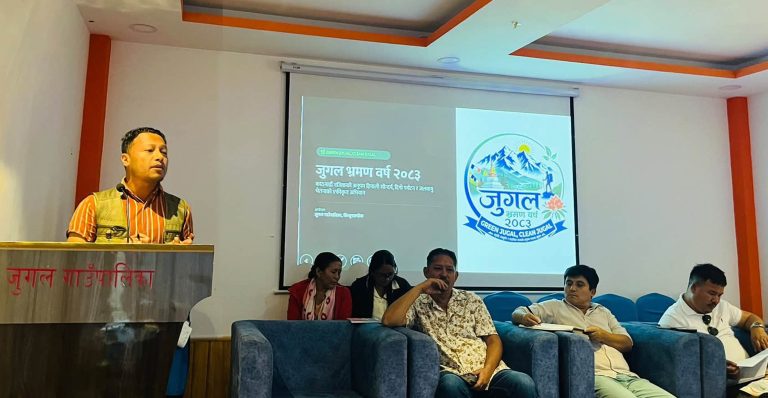
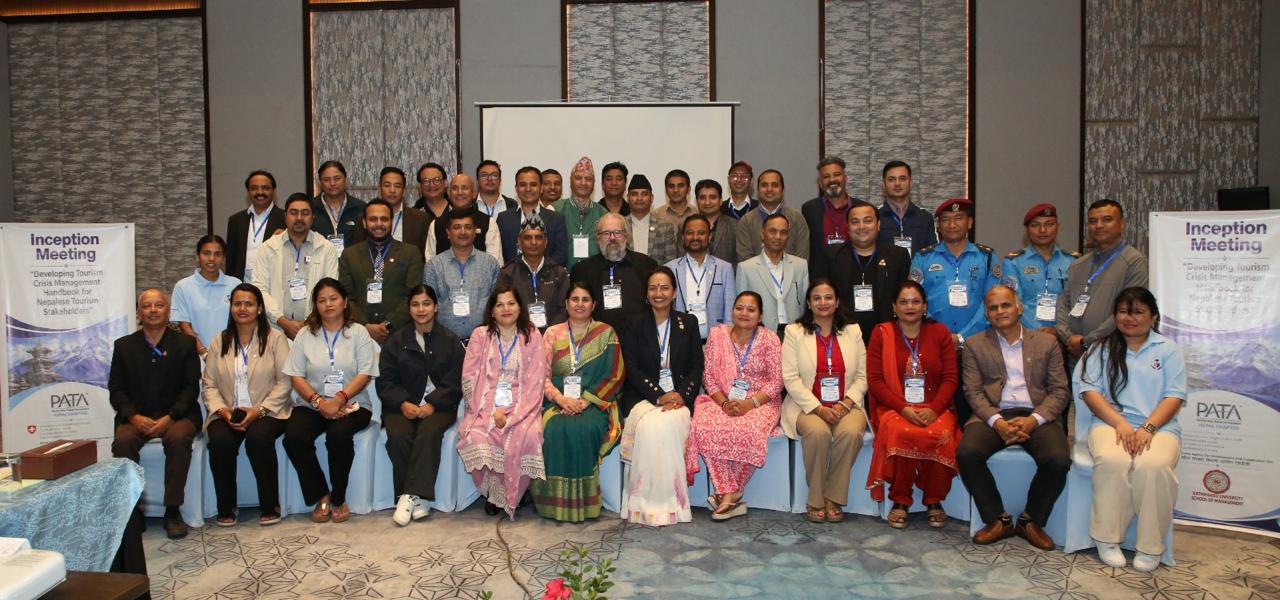
The project is being led by the Pacific Asia Travel Association (PATA) Nepal Chapter, with support from the Swiss Agency for Development and Cooperation (SDC) and academic partnership with Kathmandu University School of Management. The project’s inception meeting was held in Pokhara on Friday, bringing together government officials, tourism organisations and industry representatives to discuss the need for a coordinated approach to tourism crisis management.
The proposed handbook aims to provide practical guidance to tourism businesses and other stakeholders on identifying risks, preparing for emergencies, responding effectively during crises, communicating accurate information and restoring tourism operations after disruptions.

Handbook to Cover Preparedness, Response and Recovery
The inception meeting focused on the measures required before, during and after a crisis affecting tourism destinations and businesses. Participants discussed the importance of identifying potential risks in advance, establishing effective emergency response mechanisms, ensuring timely and accurate information dissemination, strengthening coordination among relevant agencies and preparing clear recovery plans.
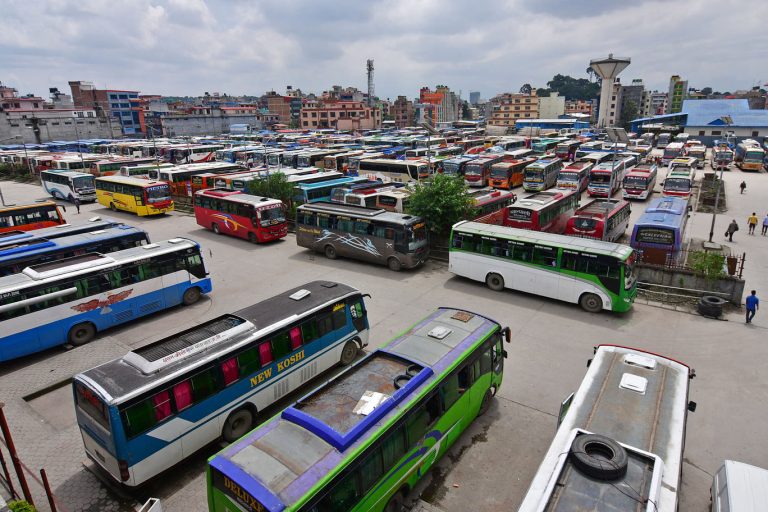
Nepal’s tourism industry is vulnerable to several types of disruption, including earthquakes, floods, landslides, extreme weather, pandemics and political instability. Such events can affect tourist arrivals, disrupt travel routes, force businesses to suspend operations and threaten employment and local economic activity. The handbook is expected to address these challenges by developing practical guidance that tourism businesses, industry associations, government agencies and other stakeholders can use when responding to emergencies.
Participants also highlighted the need to integrate crisis communication into disaster management planning, particularly as unverified information and exaggerated reports circulating through social media and international news channels can influence travellers’ perceptions of Nepal as a destination.
Gandaki Province Minister Emphasises Risk Preparedness
Gandaki Province Minister for Energy, Water Resources and Irrigation Fadindra Devkota stressed the importance of integrating disaster preparedness into tourism management rather than responding only after an incident occurs. He highlighted the need to identify potential risks, strengthen preparedness measures, and reduce the impact of disasters before they happen. Devkota also shared information about the provincial government’s efforts in disaster management and said the government was committed to preparing for potential emergencies in advance.
His remarks underscored the importance of proactive planning in a tourism-dependent region such as Gandaki, where adverse weather and natural disasters can disrupt travel, trekking and other tourism activities. The meeting also emphasised that an effective crisis management system requires more than an immediate response. Clear responsibilities, coordinated action and plans for restoring business operations are equally important in reducing long-term damage to tourism destinations and communities.
Industry Representatives Call for Coordinated Crisis Management
Khem R. Lakai, former president of PATA Nepal Chapter and a member of the project’s advisory committee, said tourism destinations around the world face crises and that the key challenge is managing incidents effectively while minimising their impact. He emphasised the importance of learning from international practices and developing a more effective crisis management system for Nepal. As tourism crises are not confined to individual countries, experience from other destinations can help Nepal improve its preparedness and response mechanisms.
Pokhara Tourism Council President Hari Bhujel also stressed the need for advance planning, noting that tourism businesses are directly affected by tourist movements, weather conditions and broader circumstances. According to Bhujel, crises can threaten business continuity, employment and local economic activity.
He highlighted the importance of identifying risks early, communicating information promptly, coordinating among stakeholders and establishing clear plans to restore tourism businesses after disruptions. He expressed the expectation that the proposed handbook would offer practical guidance to tourism entrepreneurs on the steps to take during emergencies.
PATA Nepal Highlights the Importance of Accurate Information
Basanta Gautam, a central member of PATA Nepal Chapter and president of the Restaurant and Bar Association Nepal (REBAN), highlighted the association’s role in preventing misinformation during crises and communicating accurate information about Nepal’s tourism situation to international markets. He noted that exaggerated or misleading reports portraying Nepal as severely damaged or entirely devastated can negatively affect international perceptions and discourage potential visitors, even when particular destinations remain accessible.
Gautam referred to PATA Nepal’s efforts to communicate factual information through international media, including CNN, during periods of disruption. He stressed that accurate, timely and evidence-based communication is essential to limiting reputational damage and maintaining traveller confidence. The meeting recognised that crisis communication should form an integral part of tourism emergency planning. Reliable information about affected areas, travel conditions, destination accessibility and safety measures can help tourists make informed decisions while preventing unnecessary disruption to businesses in unaffected locations.
Gandaki Government Stresses Awareness Among Tourism Stakeholders
Roshan Gyawali, secretary at Gandaki Province’s Ministry of Industry and Tourism, highlighted the need for programmes that prepare tourism businesses, associations and other stakeholders for potential emergencies. He said that providing tourism professionals and service providers with advance information and awareness about possible risks would help them communicate accurate information to visitors in a timely manner.
According to Gyawali, better-prepared businesses and tourism workers would be better positioned to support tourist safety, manage services during emergencies and coordinate with relevant authorities. The discussion also highlighted the need for a shared understanding among government agencies, tourism associations and private-sector operators so that responses during a crisis are consistent and effective.

Handbook Aims to Strengthen Nepal’s Tourism Resilience
PATA Nepal Chapter President Narendra Dev Bhatta briefed participants on the project’s objectives, scope, and the process of developing the handbook. The initiative aims to strengthen the tourism industry’s capacity to manage risks and establish common practical procedures for preparedness, emergency response, information management, institutional coordination, tourist safety, and post-crisis recovery. The handbook is expected to serve as a resource for tourism businesses and other stakeholders, helping them prepare for emergencies, respond systematically when crises occur, and resume normal operations as quickly as possible.
The project is being led by Project Chief Dr. Smriti K. Pant. Other participants included PATA Nepal central member Sunil Bhattarai and representatives of tourism-related organisations, including REBAN, the Hotel Association Nepal (HAN), the Trekking Agencies’ Association of Nepal (TAAN) and the Nepal Association of Tour and Travel Agents (NATTA).
Through the initiative, PATA Nepal and its partners aim to strengthen coordination across Nepal’s tourism sector and support the development of a more resilient industry capable of managing disruptions while protecting visitors, businesses and local livelihoods.