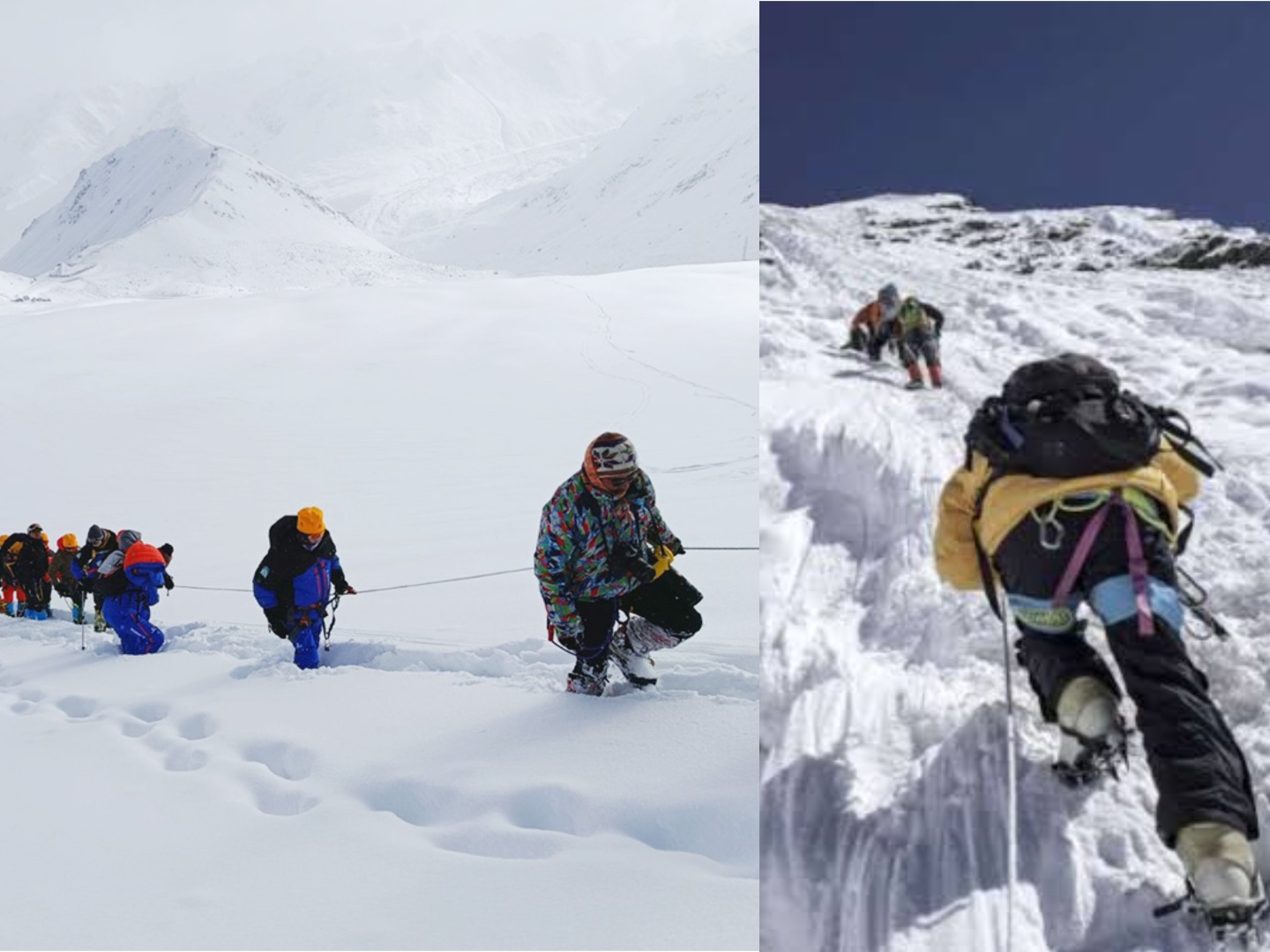
Nepal has issued climbing permits to 1,098 mountaineers from 71 countries for the autumn 2026 season, generating approximately Rs 282.41 million in royalty revenue. According to the Department of Tourism, a total of 130 expedition teams have received permits to climb 41 mountains across the country, highlighting continued international interest in Nepal’s mountaineering opportunities.
The permit holders include 833 men and 265 women, reflecting participation from a wide range of international markets. The department collected USD 1,854,959, equivalent to Rs 282,414,056, in climbing royalties during the reporting period. China accounts for the largest number of climbers, with 132 permit holders, followed by mountaineers from Russia, the United States, France and other countries.
Manaslu Leads Autumn Climbing Demand
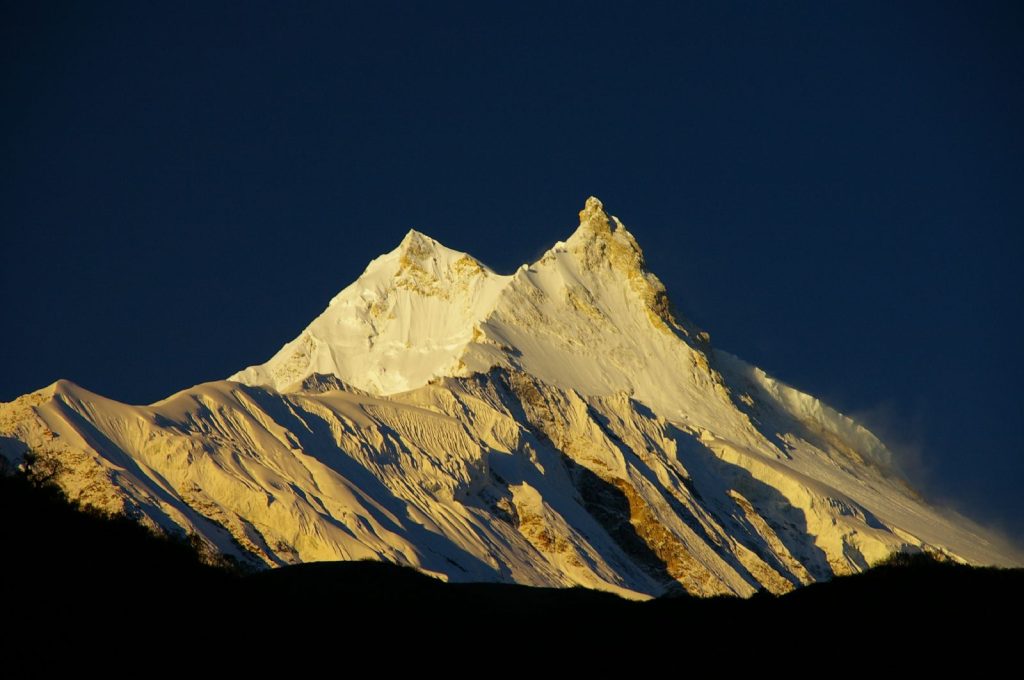
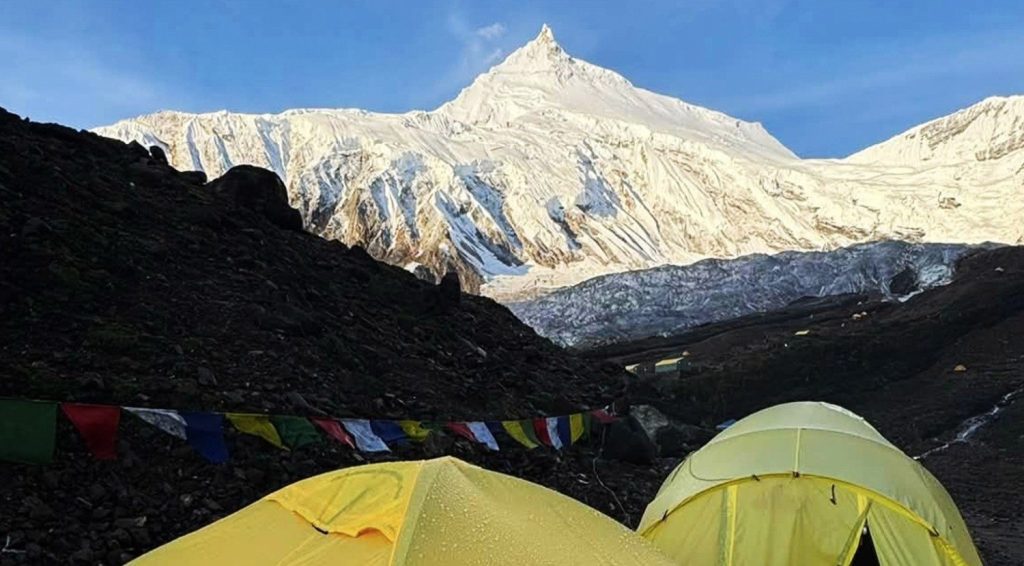
Mount Manaslu, standing at 8,163 metres, has attracted the highest number of climbers among the mountains covered by the latest permit figures. A total of 500 climbers, including 373 men and 127 women, have received permits to scale the mountain through 43 expedition teams. The figures underline Manaslu’s position as a major destination for Himalayan mountaineering during the autumn season.
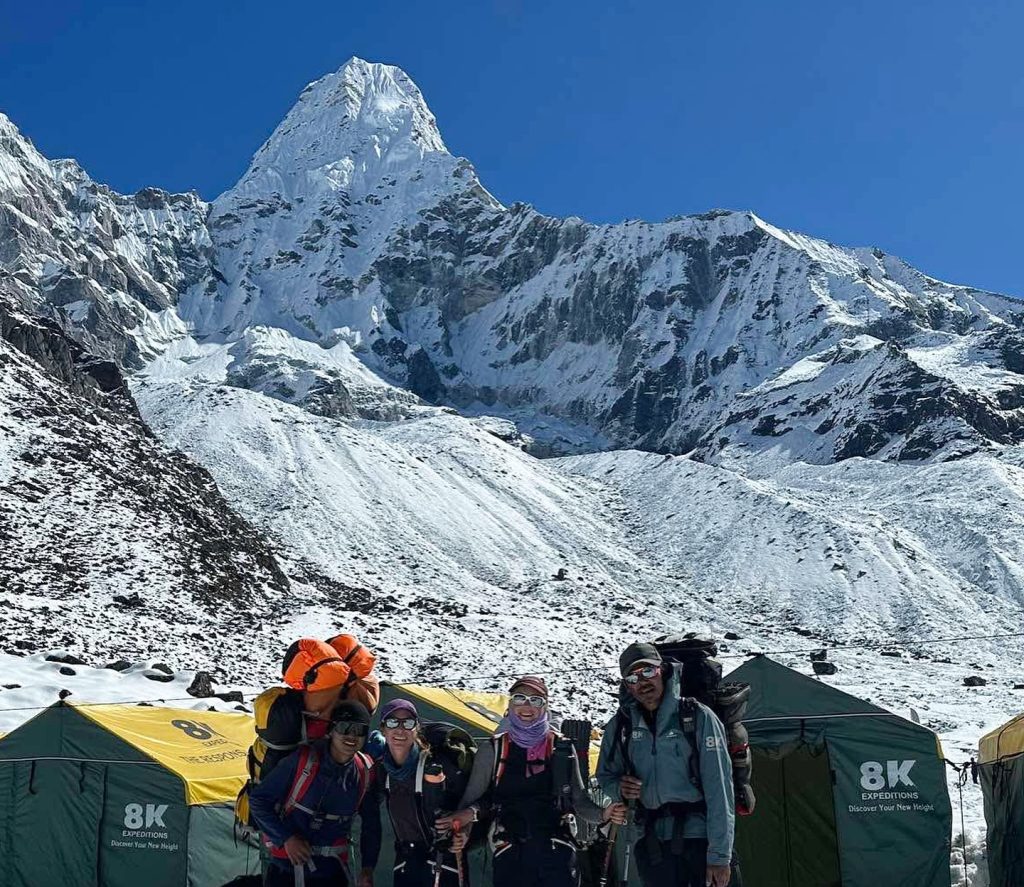
Other popular peaks have also attracted significant interest. Ama Dablam received permits for 178 climbers across 16 teams, generating Rs 27,315,500 in royalties. Similarly, 94 climbers in nine teams obtained permits for Mount Himlung, contributing Rs 5,788,960 in revenue. Dhaulagiri I attracted 37 climbers across six teams, generating Rs 8,473,650, while three climbers from a single team received permits for Mount Makalu, contributing Rs 688,050.
Permits Issued for Mountains Across Nepal
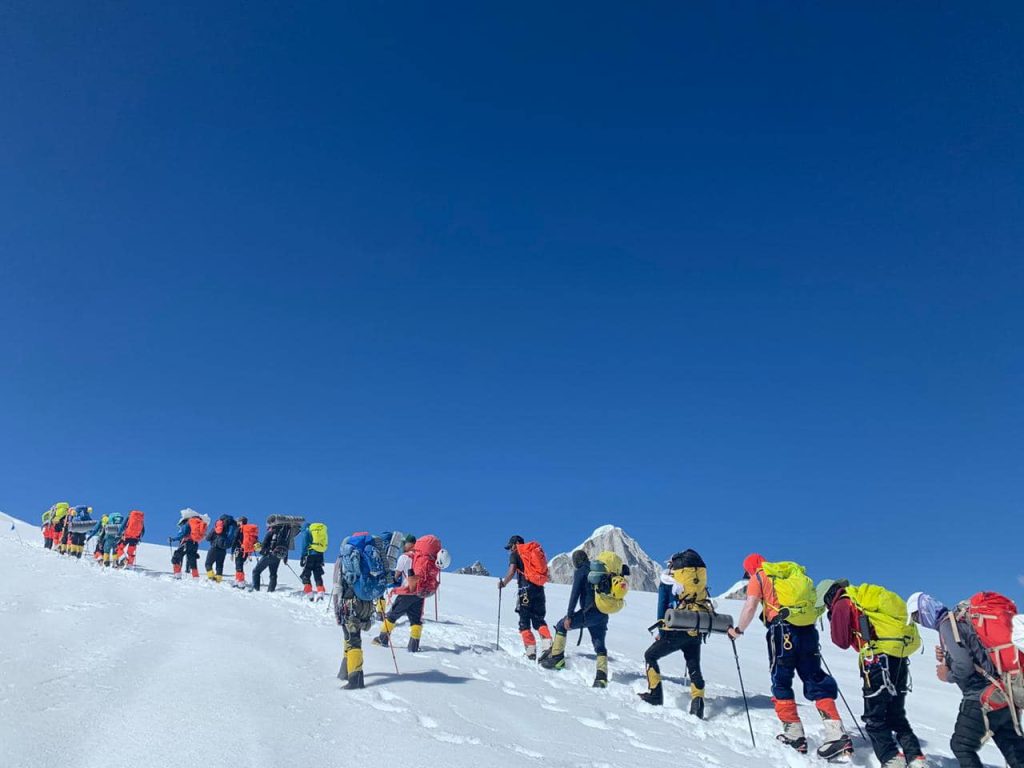
The Department of Tourism has issued permits for a broad range of Himalayan peaks beyond the most popular expedition destinations. These include Putha Hiunchuli, Danga Hiunchuli, Baruntse, Gangapurna West (Langchenel), Thorong Peak, Norbu Khang, Annapurna IV, Chamlang, Lamjung Himal, Pumori, Saribung, Thapa Peak (Dhampus), Pokhar Khang, Ardang and Peri, among others.
The variety of permitted peaks reflects the range of mountaineering opportunities available in Nepal, from prominent high-altitude expeditions to less-frequented climbing destinations. The autumn season remains an important period for Himalayan expeditions, attracting international climbers and supporting tourism businesses involved in expedition logistics, guiding, accommodation, transportation and other related services.
Climbers from 71 Countries Obtain Permits
The autumn climbing season has attracted mountaineers from 71 countries, demonstrating Nepal’s reach across international adventure tourism markets. China leads with 132 climbers, followed by Russia with 96, the United States with 94 and France with 93. The United Kingdom accounts for 74 permit holders, while Poland has 29, Switzerland 28, Italy 28, Nepal 26, Japan 28, India 22 and Spain 21.
The participation of climbers from Europe, Asia, North America and other international markets highlights Nepal’s established position as a global mountaineering destination. These expeditions also create business opportunities for trekking and mountaineering agencies, expedition operators, mountain guides, porters and hospitality providers serving climbers throughout the season.
Climbing Royalties Generate Rs 282.41 Million
According to the Department of Tourism, climbing permits issued for the autumn season have generated Rs 282,414,056 in royalties, equivalent to approximately USD 1.85 million. The revenue reflects the economic contribution of mountaineering permits and the continued demand for access to Nepal’s Himalayan peaks.
The latest figures indicate that Nepal’s autumn mountaineering season is drawing participation from a diverse international market while generating substantial royalty income. Alongside permit revenue, climbing expeditions support a wider tourism economy through employment and services linked to mountain travel. The continued promotion of Nepal’s climbing destinations, together with effective expedition management and mountain safety measures, remains important to sustaining the country’s position in international adventure tourism.