Air New Zealand and Hong Kong International Airport (HKIA) have become the first organisations to achieve One ID Certification from the International Air Transport Association (IATA), marking a significant development in the aviation industry’s move towards digital identity and biometric passenger processing. The certifications were presented at the IATA World Passenger Symposium in Macao, recognising both organisations for meeting the applicable global standards for digital identity and biometric procedures.
IATA’s One ID framework aims to make air travel more seamless by allowing passengers to verify their identity and travel documents digitally before reaching the airport. The system supports the use of facial recognition at participating checkpoints, reducing the need for passengers to repeatedly present physical passports and boarding passes throughout their journey. The certification provides airlines, airports and governments with greater assurance that participating organisations follow recognised standards.

Facial Recognition Enhances the Airport Experience of Air New Zealand and Hong Kong Airport
Hong Kong International Airport has introduced its Flight Token biometric identification system to simplify passenger movement through key departure checkpoints. The system of Air New Zealand and Hong Kong Airport allows eligible passengers to use facial recognition at participating points instead of repeatedly presenting travel documents, supporting a more convenient departure experience.
According to Airport Authority Hong Kong, more than 80% of departing passengers at HKIA are eligible to use Flight Token across all departure checkpoints. Since its launch in 2021, the system has been used by more than 93 million passengers. The airport’s One ID Certification recognises its digital identity processes and supports its efforts to expand the system’s use in cooperation with airlines and government authorities.
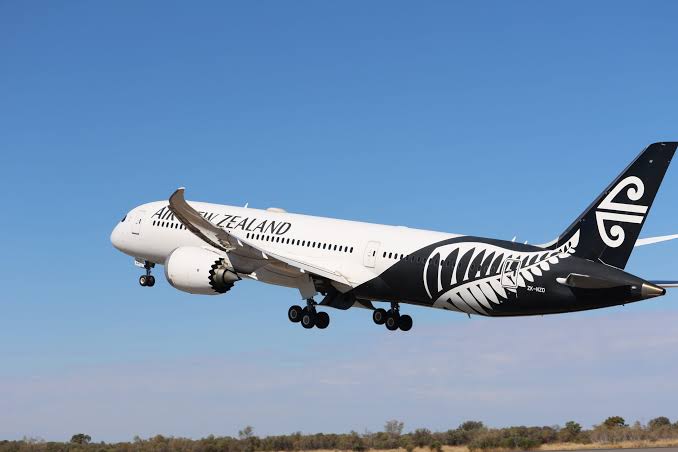
Air New Zealand Advances Contactless International Travel
Air New Zealand has also been recognised for its work in developing digital identity solutions that can improve the passenger journey across international borders. Its trial with Hong Kong International Airport demonstrated how digital identity could reduce document handling and queuing while maintaining safeguards for passengers’ personal information.
IATA’s certification covers several areas, including digitalisation of admissibility, contactless travel, biometric handling, and privacy, consent and governance. Organisations can be certified in one or more of these areas, depending on their operations. Air New Zealand and HKIA achieved certification across all areas applicable to their respective operations, providing a framework for other airlines, airports and technology providers considering similar systems.

Global Aviation Moves Towards Trusted Digital Identity
The certification of Air New Zealand and Hong Kong Airport forms part of IATA’s broader effort to encourage the adoption of digital identity across the international passenger journey. Its initiatives include working with governments to address regulatory barriers to digital travel credentials, connecting industry partners through the Contactless Travel Directory, and supporting automated travel document checks through Timatic AutoCheck.
Passenger interest also indicates potential demand for more convenient airport procedures. IATA’s 2026 Global Passenger Survey found that 78% of passengers would be willing to share biometric information to avoid presenting physical travel documents at airport checkpoints. However, wider adoption will depend on reliable technology, cooperation between countries and aviation organisations, and strong protections for privacy and informed consent. IATA plans to introduce a public One ID trust registry listing certified organisations, helping industry partners identify those that meet the relevant standards.