
Nepal is preparing to raise the challenges facing the Himalayas, climate justice and international climate financing at the 31st United Nations Climate Change Conference (COP31), scheduled to take place in Antalya, Turkiye, from November 9 to 20, 2026. The country plans to strengthen international recognition of the climate risks affecting mountain regions and build cooperation with vulnerable island nations facing rising sea levels.
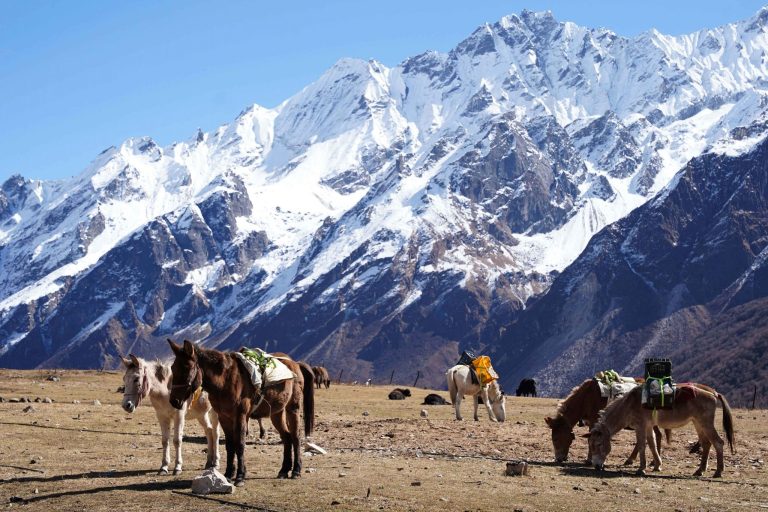
Foreign Minister Shishir Khanal has been leading Nepal’s diplomatic efforts to connect the effects of melting Himalayan glaciers with the growing threats facing coastal and island communities. Through this approach, Nepal aims to encourage the international community to view climate change as an interconnected global challenge rather than treating mountain and ocean-related risks separately. The agenda also has implications for the country’s Himalayan communities, natural landscapes and mountain tourism destinations, which depend on a healthy and resilient mountain environment.
Nepal Links Himalayan Challenges with Rising Sea Levels
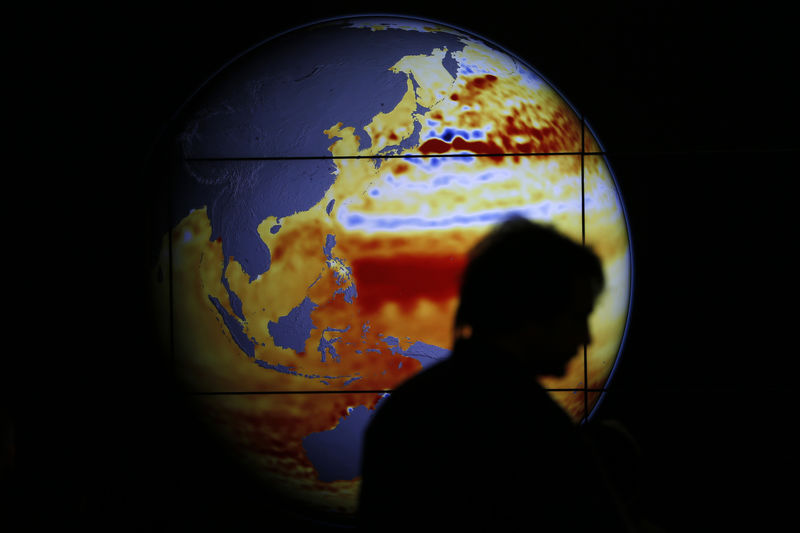
Nepal is advancing the concept of a “Sagarmatha to the Sea” partnership to bring mountain countries and vulnerable island nations together on a common climate platform. The initiative gained momentum during the Pre-COP Leaders’ events in Fiji and Tuvalu in early October, where Khanal highlighted the relationship between melting glaciers in the Himalayas and rising sea levels across the world.
Nepal’s position is that the loss of Himalayan ice and the increasing threat to island nations are interconnected consequences of global climate change. Glacier melt contributes to changes in the global water system and sea levels, while mountain communities face risks from floods, landslides and other climate-related hazards. By linking these concerns, the country hopes to strengthen cooperation between countries with different geographical conditions but shared environmental challenges.
During the discussions, Nepal also sought support from international partners, particularly Australia, which has a key role in the COP31 negotiation process. Khanal held high-level discussions with Australian leaders to encourage greater attention to the concerns of Himalayan countries in international climate negotiations. The diplomatic initiative aims to strengthen the collective voice of climate-vulnerable nations ahead of the November conference.
Climate Justice and Financial Support Among Nepal’s Priorities
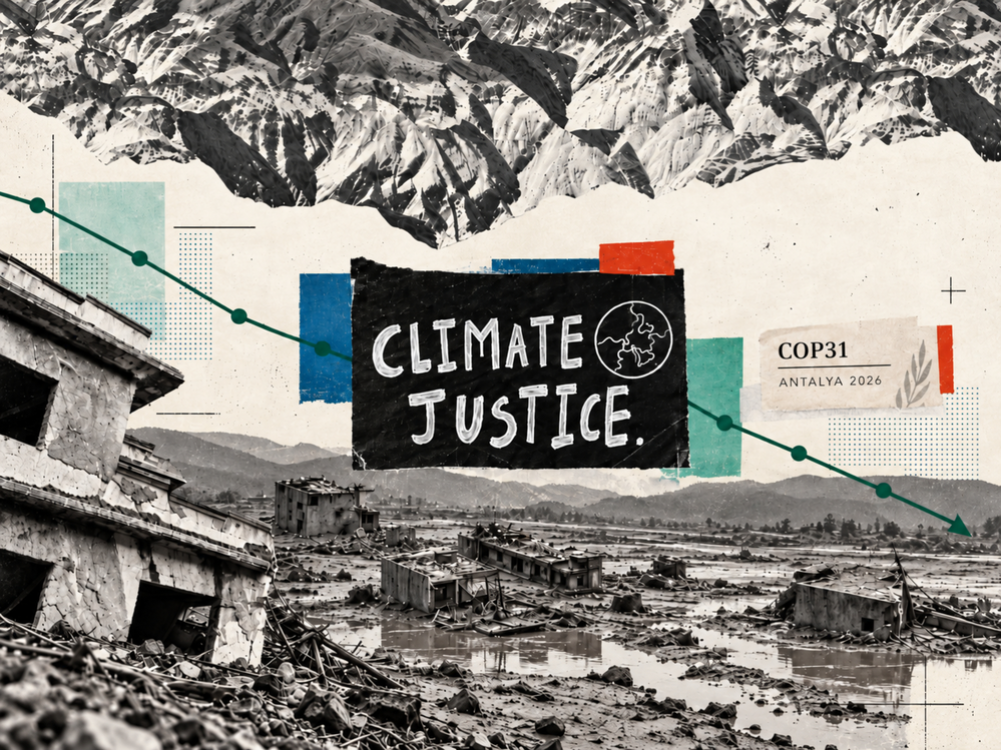
Nepal plans to press for stronger international action to limit global temperature rise to 1.5 degrees Celsius above pre-industrial levels. It will also call for accessible, predictable and grant-based climate financing to help vulnerable countries prepare for climate impacts without adding to their debt burdens. Another major priority is the effective operation and adequate funding of the Loss and Damage Fund, which is intended to support countries experiencing the consequences of climate change.
Nepal wants international assistance to reach affected communities more quickly by reducing complicated administrative and technical procedures. The country is also seeking support for disaster recovery, reconstruction and rehabilitation following severe weather-related disasters.
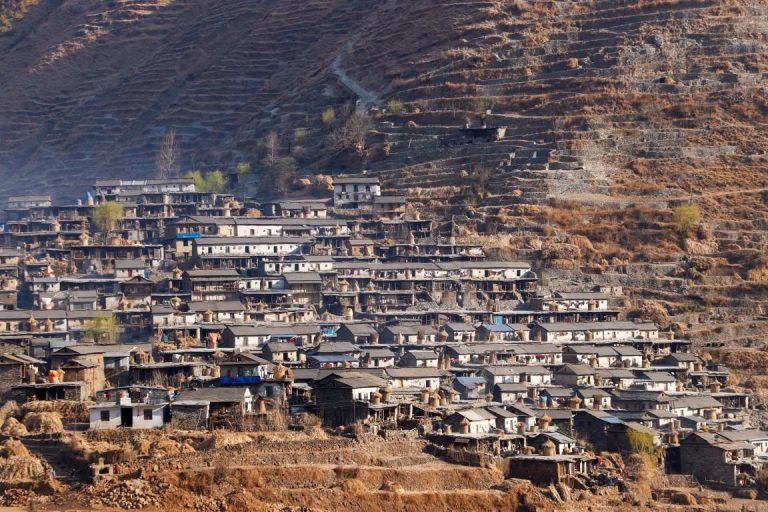
The recent destruction caused by flooding in the Bhotekoshi and Trishuli river systems is expected to feature in Nepal’s climate advocacy. The government has sought up to US$20 million from the Loss and Damage Fund for immediate relief and rehabilitation related to the Bhotekoshi disaster. Nepal also intends to present evidence of the impacts of recent floods, including damage to settlements and infrastructure, to highlight the urgency of international support.
Australia Strengthens Cooperation on Climate Action
During his official visit to Australia, Khanal held bilateral talks with Australian Foreign Minister Penny Wong on October 8, 2026. The discussions covered disaster response, climate cooperation, education, investment and connectivity between the two countries. Australia announced an additional 15 million Australian dollars in grant assistance to support Nepal’s initial relief and reconstruction efforts following the Bhotekoshi floods. This brought Australia’s announced assistance for the disaster response to a total of 26 million Australian dollars, according to Nepal’s Ministry of Foreign Affairs.
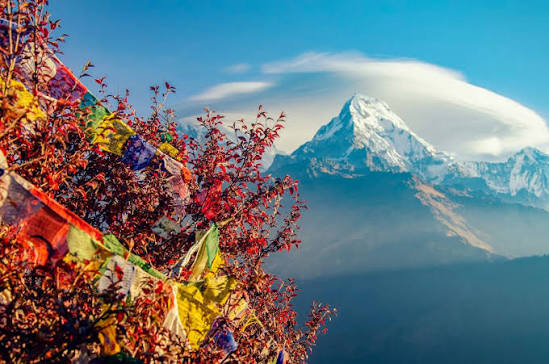
Climate cooperation was another important part of the talks. Khanal urged Australia to give greater attention to Himalayan environmental concerns alongside ocean-related issues during COP31 negotiations. The discussions also covered potential cooperation in glacier monitoring, improvements to early-warning systems and the development of climate-resilient infrastructure.
The minister also met New South Wales Premier Chris Minns and other Australian representatives. Discussions included disaster management, technical exchanges, direct air connectivity, educational cooperation and support for Nepal’s wider economic and tourism development. These areas of cooperation could help strengthen Nepal–Australia relations while creating opportunities for knowledge exchange and closer people-to-people connections.
Himalayan Protection Important for Sustainable Mountain Tourism
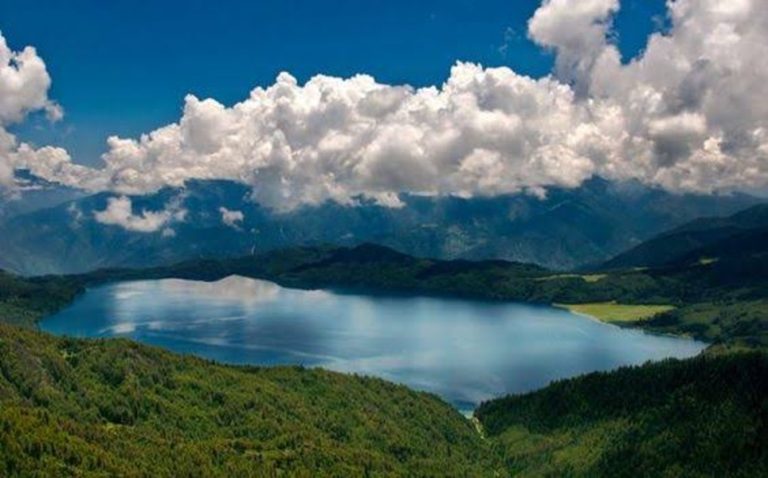
The protection of the Himalayan environment is important not only for climate resilience but also for Nepal’s mountain communities and tourism destinations. Himalayan landscapes, glaciers, trekking routes and mountain ecosystems form an important part of Nepal’s appeal to international visitors. Climate-related hazards can threaten communities, infrastructure and access to destinations, making preparedness and environmental protection increasingly important for sustainable tourism. Nepal’s proposed “Sagarmatha to the Sea” partnership offers an opportunity to connect mountain conservation with broader international efforts to address climate change.
Stronger collaboration on early-warning systems, scientific research, disaster preparedness, and climate financing could support the resilience of vulnerable mountain regions over time. As Nepal prepares for COP31, it aims to secure greater international recognition of the challenges facing Himalayan countries and encourage practical cooperation to address them. By connecting the concerns of mountain and island nations, Nepal hopes to advance a more coordinated global response that supports vulnerable communities, protects natural environments, and strengthens long-term resilience.