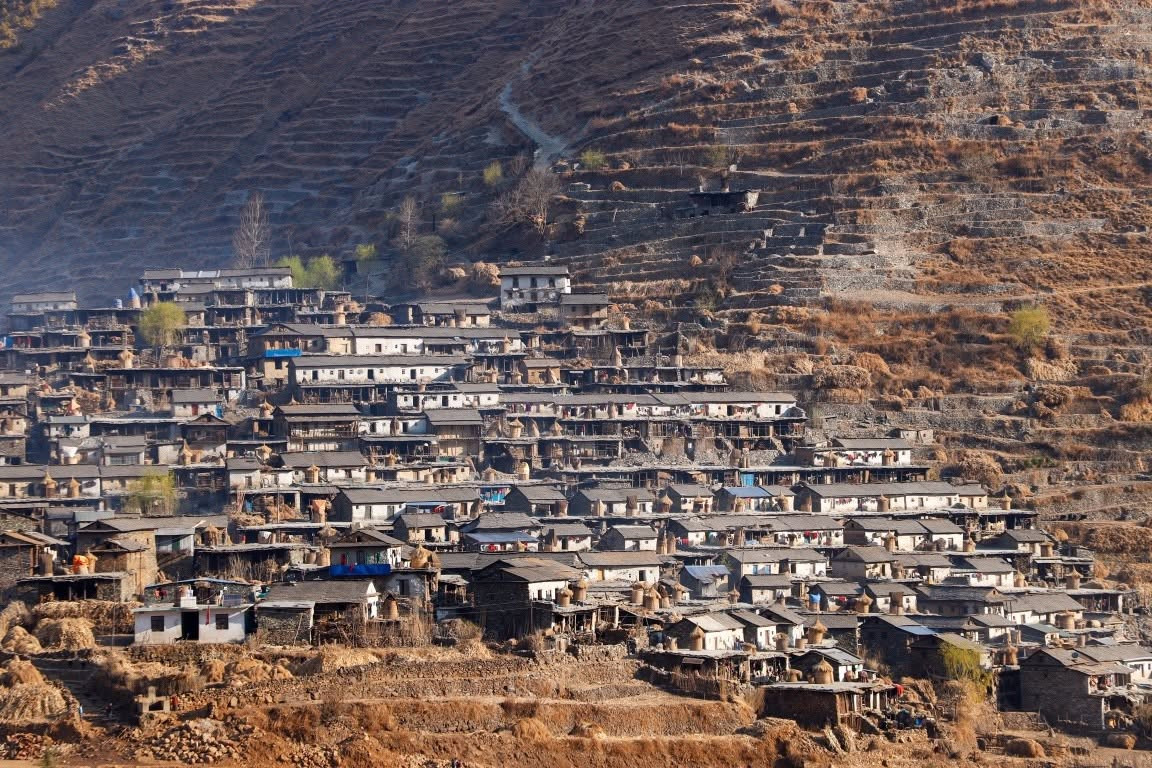
Taksera, a historic village in Putha Uttarganga Rural Municipality, East Rukum, offers a distinctive glimpse into Nepal’s indigenous heritage, traditional mountain architecture and remote rural life. Set amid rugged hills, the settlement is known for its closely packed stone and timber houses, Kham Magar cultural traditions and dramatic Himalayan surroundings.
Away from Nepal’s more commercialized tourist destinations, Taksera offers opportunities to explore local customs, traditional ways of life, and the natural landscape of the mid hills. Its combination of cultural heritage, village architecture, and mountain scenery gives it potential as a destination for cultural, rural, and community-based tourism.
Traditional Kham Magar Culture and Ancestral Rituals
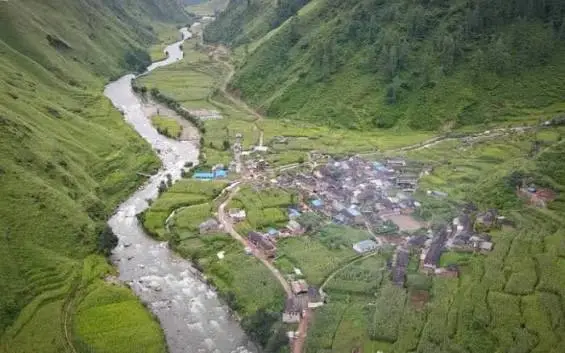
Taksera is home to a Kham Magar community whose language, customs and ancestral practices form an important part of the village’s cultural identity. Shamanic traditions remain a notable feature of local heritage, connecting community life with long established beliefs and rituals. These traditions offer visitors an opportunity to learn about indigenous cultural practices that are less visible in Nepal’s mainstream tourism destinations.
One of the important cultural celebrations is Bhume Puja, a traditional ritual associated with honouring the earth deity. During the celebration, rhythmic drumbeats, folk songs and communal circular dances bring the terraced settlement to life. The festival offers a window into the community’s relationship with the land and its cultural traditions, making it a potential point of interest for travellers seeking meaningful cultural experiences.
Distinctive Stone Architecture on Steep Hillsides
Taksera’s landscape is defined by multi tiered houses built from local stone, mud mortar and timber. Constructed along steep hillsides, the homes create a distinctive settlement in which the flat earthen roof of one house can serve as the courtyard or working space for the home above it. This closely arranged architecture reflects the community’s adaptation to the village’s mountainous terrain.
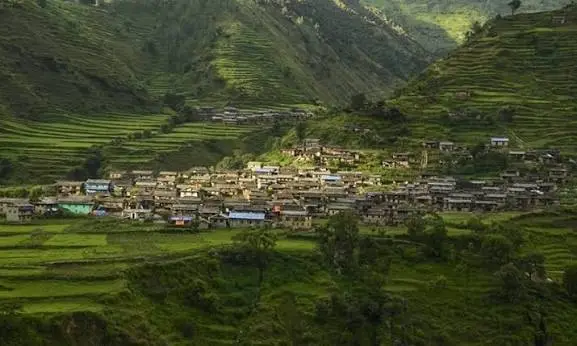
The flat rooftops also serve practical purposes in everyday life, including drying crops and other locally produced materials. Corn, buckwheat and sheep wool are among the materials described as being dried on these surfaces. For visitors interested in traditional architecture and rural lifestyles, the village’s buildings offer a distinctive example of how local construction methods and daily activities are shaped by the surrounding environment.
Himalayan Scenery and Seasonal Natural Attractions
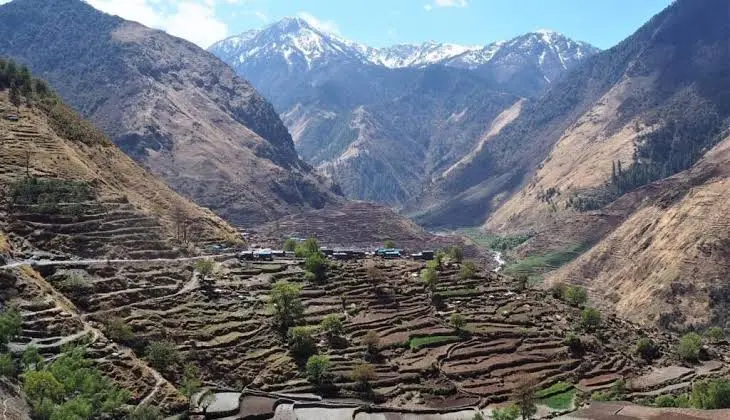
The surrounding landscape adds to Taksera’s appeal, with Sisne Himal among the prominent mountain features associated with the area. The village’s elevated setting, rugged hills and nearby high pastures provide a backdrop for travellers interested in mountain scenery and exploring less visited parts of western Nepal. The source also identifies the highland areas towards Chauri Buki as part of the surrounding landscape.
Spring and autumn are highlighted as attractive seasons for visiting the region. Spring, from March to May, brings rhododendron blooms to surrounding hillsides, while autumn, from September to November, is associated with clearer skies and opportunities to explore high pastures. Weather and trail conditions can vary, so travellers should check local conditions before setting out on walks or longer journeys.
Homestays, Local Food and Travel to Taksera
Staying with local families can offer visitors a closer look at everyday life in Taksera. The source describes traditional meals prepared over open hearths, featuring locally produced staples such as buckwheat, millet and greens, alongside dairy products. Visitors may also have opportunities to observe traditional textile making, including the processing of sheep wool into blankets and coats.
Reaching Taksera involves travelling through the mountainous road network of the East Rukum region, with the supplied reference suggesting routes via Rukumkot or Burtibang, followed by rugged tracks that may require four wheel drive vehicles, or walking routes. These access details should be confirmed locally before publication or travel. With its indigenous heritage, distinctive architecture and mountain setting, Taksera offers a promising subject for tourism promotion focused on cultural preservation and community based experiences.