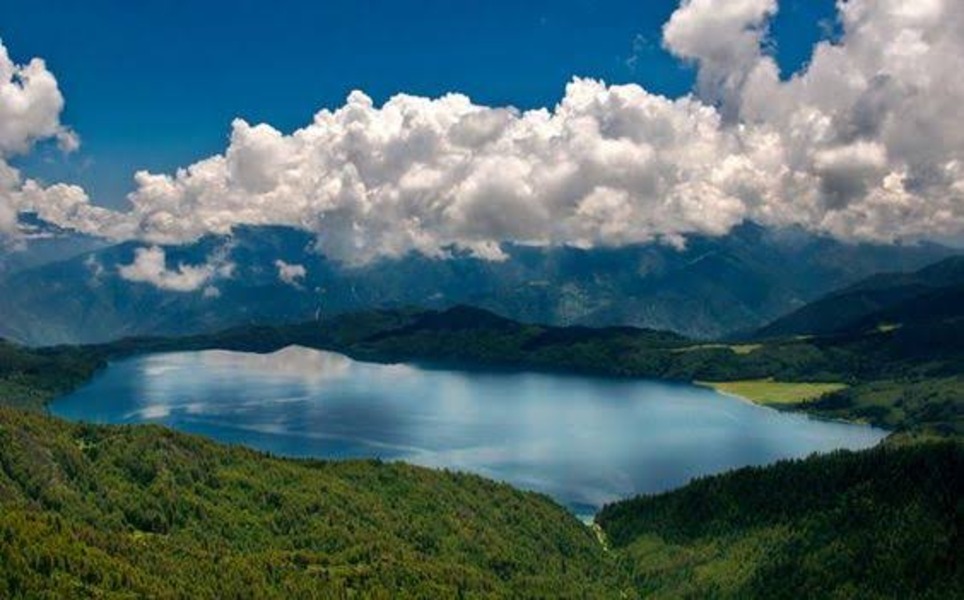
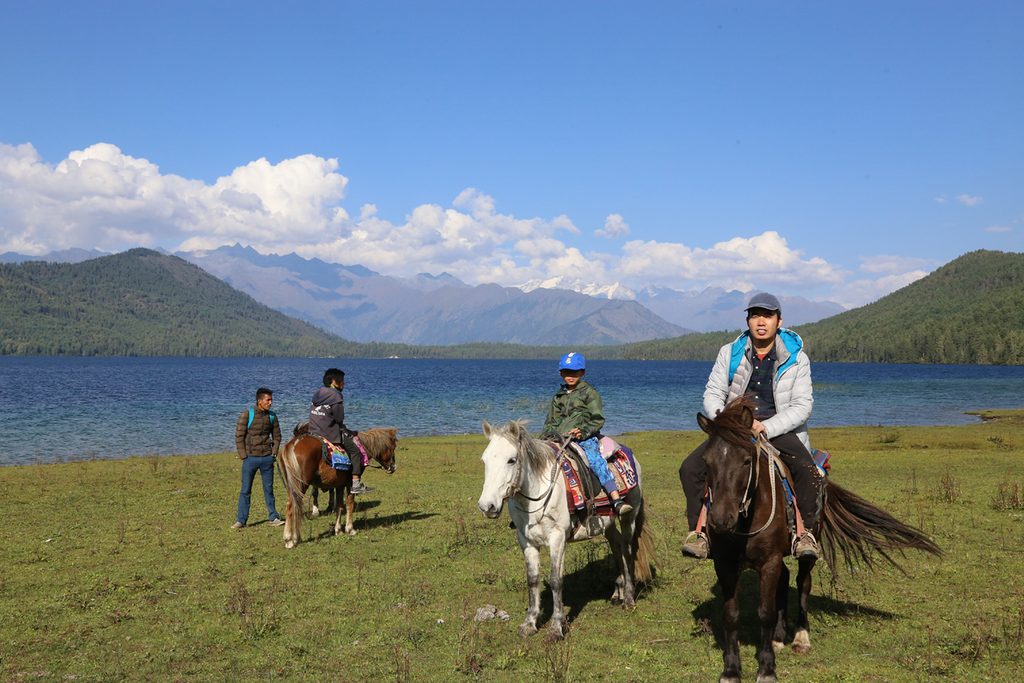
Rara Lake, one of Nepal’s most spectacular natural attractions, has emerged as a preferred destination for domestic and Indian tourists during the Dashain holidays. The increase in visitors has brought renewed activity to the Karnali region, with hundreds of vehicles and motorcycles travelling towards the lake during the festive period.
According to local resident Dipendra Upadhyaya, more than 50 tourist vehicles and over 200 motorcycles travel towards Rara Lake daily via Surkhet. The growing movement of visitors has made the Nagma–Gamgadhi Road. road busier than usual, highlighting the increasing appeal of western Nepal’s natural attractions during the holiday season.
Rara Lake Attracts More Domestic and Indian Tourists
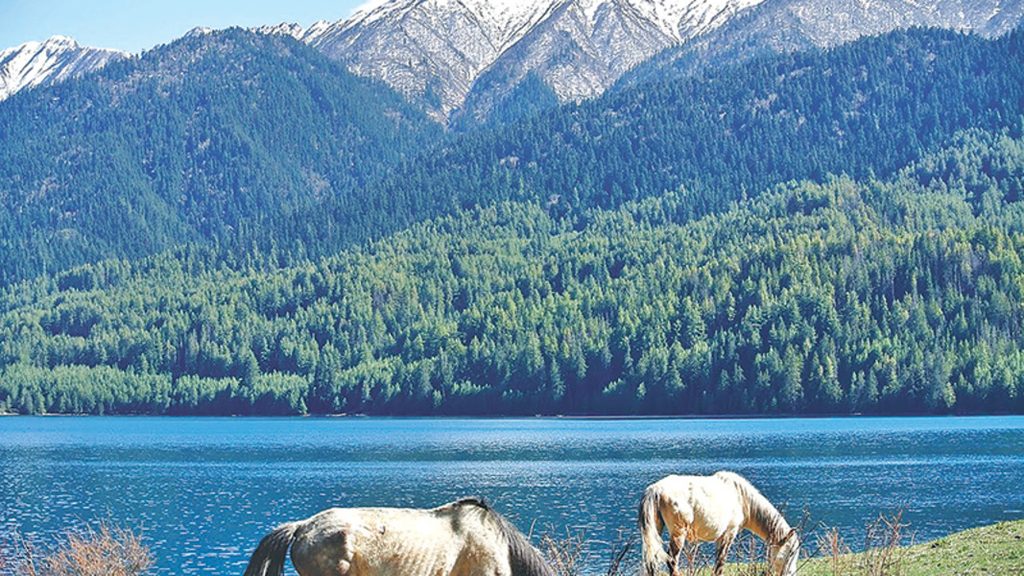
Located in Mugu district, Rara Lake is renowned for its clear blue water, surrounding forests, and picturesque mountain scenery. Its peaceful environment and natural beauty have made it an important destination for travellers seeking to escape busy urban life and experience Nepal’s pristine landscapes. During the Dashain holidays, visitors have been travelling along the Nagma–Gamgadhi road to reach the lake and returning through Jumla district.
Many also stop in Khalanga, the district headquarters of Jumla, to visit Chandannath Temple and Dudul Chaitya, adding cultural attractions to their journeys. Upadhyaya said the festive holidays had contributed to the increase in tourist arrivals, with Rara becoming a popular place for relaxation and nature-based travel. The growing number of visitors demonstrates the potential of Rara Lake to attract a wider domestic and international audience, particularly during Nepal’s major holiday seasons. Improved access and favourable seasonal conditions have further encouraged travellers to explore the region.
Rising Tourist Arrivals Create Opportunities for Local Businesses
The increase in tourist traffic has created business opportunities for hotels, roadside restaurants and small shops along the Nagma–Gamgadhi route. Local businesses are benefiting from demand for meals, refreshments and locally produced goods as travellers stop along the journey to Rara Lake. Traditional cuisine and agricultural products provide an additional attraction for visitors. Local food items, including beans, millet-based dhido, Marshi rice, buckwheat bread and locally available leafy vegetables, offer tourists an opportunity to experience Karnali’s food culture and agricultural traditions.
Promoting these products as part of the tourism experience could help connect visitors with local communities while generating income for farmers and small businesses. Tourism has the potential to support a wider range of local enterprises, including transport operators, accommodation providers, guides and producers of traditional goods. However, sustaining these economic benefits will require businesses to provide reliable services and develop experiences that encourage tourists to stay longer in the region.

Poor Roads and Limited Accommodation Remain Challenges
Despite the increase in visitors, inadequate infrastructure continues to affect the tourism experience in Karnali. Travellers face dusty, unpaved roads and difficult driving conditions along parts of the route, while limited accommodation, inconsistent food services and inadequate sanitation facilities create additional challenges. Mugu Chief District Officer Poshanath Bhandari said tourist numbers had increased significantly during the Dashain and Tihar holiday period. He added that some visitors had been travelling to Gamgadhi to find accommodation because lodging facilities near Rara Lake were insufficient. This situation highlights the gap between the destination’s growing popularity and its capacity to accommodate more visitors comfortably.
Local stakeholders have also called for better road infrastructure and basic visitor facilities. Khada Bahadur Khatri of Sinja highlighted the need for clear signboards directing tourists to locations where they can find food, toilets and overnight accommodation. Improved road conditions, reliable signposting, clean public toilets and well-maintained rest stops would make travel safer and more convenient while helping visitors navigate unfamiliar routes. Addressing these infrastructure gaps would improve visitor satisfaction and support local businesses. Adequate accommodation and dependable hospitality services are particularly important for encouraging longer stays and repeat visits.
Cultural Tourism Could Extend Visitors’ Stays
Beyond Rara Lake, the wider Karnali region offers opportunities to develop tourism through cultural heritage, traditional cuisine and local lifestyles. Visitors travelling through Jumla can explore Chandannath Temple and Dudul Chaitya, while local food and cultural traditions can provide additional reasons to spend more time in the region. Ratnabir Sunar, chief of Kalikot District Hospital, pointed out that tourists often visit primarily to see Rara Lake, while weaknesses in transport, accommodation and hospitality services may limit their interest in returning.
He emphasised the importance of upgrading roads, developing professional hotels and restaurants, and introducing activities that showcase local art and culture. Developing guided cultural tours, local food experiences, traditional craft demonstrations and community-based tourism activities could diversify Karnali’s tourism offerings beyond sightseeing. Such initiatives could encourage visitors to explore neighbouring destinations, extend their stays and spend more money within local communities.
Rara Lake Holds Potential for Sustainable Tourism Growth
The growing popularity of Rara Lake during the Dashain holidays demonstrates the strong appeal of Karnali’s natural attractions and the potential of tourism to contribute to the region’s economy. Increased visitor arrivals can generate income for accommodation providers, transport operators, restaurants, guides, shops and producers of local agricultural goods. However, attracting tourists is only one part of sustainable tourism development.
Reliable connectivity, adequate accommodation, sanitation facilities, effective destination management and engaging cultural experiences are equally important to ensure that visitors enjoy their trips and recommend the destination to others. Closer cooperation among government authorities, tourism entrepreneurs and local communities will be essential to address existing challenges and ensure that tourism benefits reach residents across the region. With strategic investment and effective tourism planning, Rara Lake could develop beyond a seasonal holiday attraction into a major destination supporting local employment, cultural preservation and sustainable economic growth throughout Karnali Province.