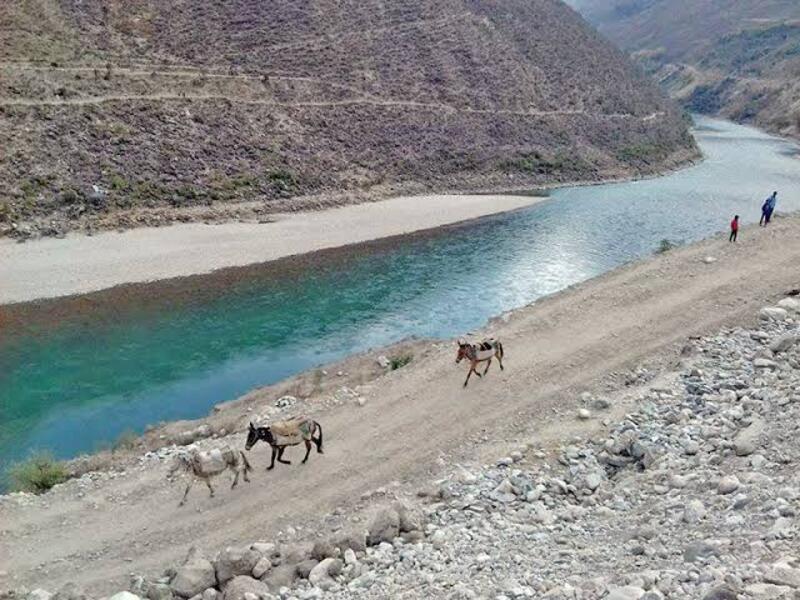
Nepal’s Karnali Corridor has significant potential to strengthen tourism in western Nepal by improving road access to remote Himalayan destinations, cultural heritage sites and religious attractions. Connecting the southern border area near Jamunaha with Hilsa on the Nepal–China border, the approximately 505-kilometre corridor is expected to support tourism alongside trade, hydropower development and access to local markets.
The corridor could make travel more convenient to destinations such as Rara Lake, Limi–Lapcha Valley, Badimalika, Ramaroshan and the wider Kailash–Mansarovar region. Better connectivity could encourage more domestic and international visitors to explore Karnali, while creating opportunities for local communities and tourism businesses to benefit from increased visitor movement.
Karnali Corridor Opens Opportunities for Tourism Development
The Karnali Corridor passes through areas of western Nepal that have considerable natural and cultural tourism potential but have long faced challenges associated with difficult terrain, lengthy journeys and limited transport infrastructure. By connecting remote settlements with major road networks, the corridor could help improve access to destinations that remain less accessible than Nepal’s established tourism centres.
The route connects with major highways and transport networks at locations including Nepalgunj, Kohalpur and Surkhet. These connections could help travellers reach Karnali from other parts of Nepal and improve the movement of tourism-related goods and services. However, the benefits will depend on continued road upgrading, reliable transport services and the development of facilities that meet visitors’ needs.
Improved Access to Rara Lake and Other Natural Attractions
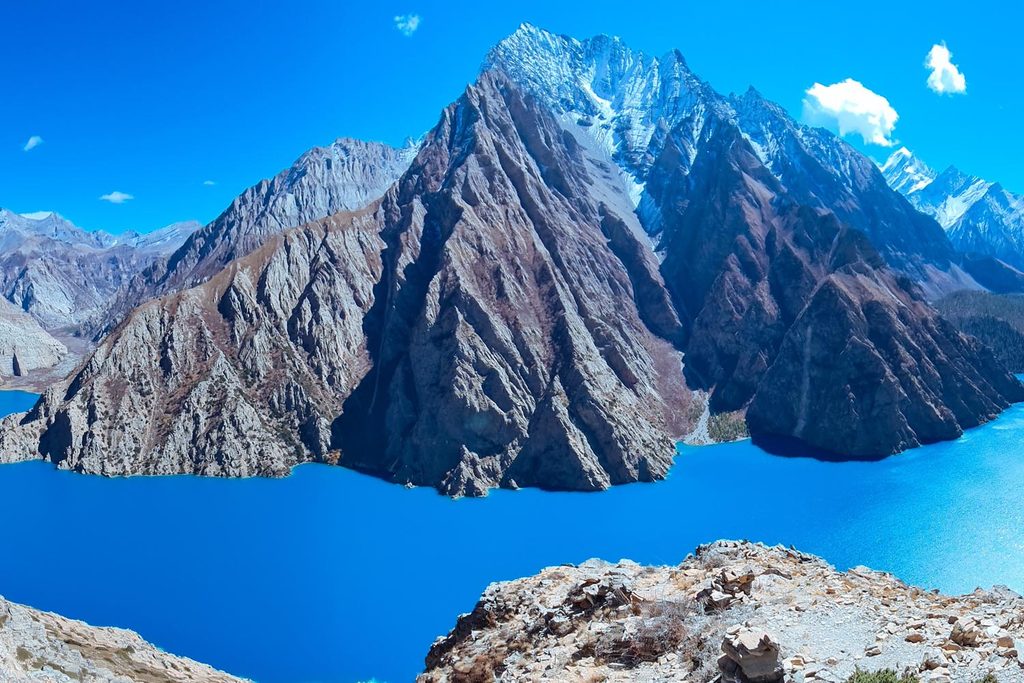
Rara Lake, located in Mugu district, is among Nepal’s most prominent natural attractions. Known for its clear waters, surrounding forests and mountain scenery, the lake offers opportunities for nature-based tourism, photography, hiking and longer stays in the region. Improved road connectivity could make journeys to Rara more convenient and encourage visitors to include the destination in wider western Nepal itineraries.
The corridor could also support access to Badimalika in Bajura and Ramaroshan in Achham, destinations associated with natural landscapes, mountain views and religious significance. Better transport links may help tourism businesses develop combined travel packages, allowing visitors to explore several destinations instead of limiting their journeys to a single location. Such packages could also distribute tourism spending across more communities and encourage longer stays in the region.
Limi–Lapcha Valley and Kailash–Mansarovar Tourism Potential
Humla’s Limi–Lapcha Valley offers opportunities for nature, cultural and religious tourism. The area is known for its remote Himalayan landscape, traditional settlements, ancient monasteries and distinctive cultural heritage. Lapcha also provides views towards Mount Kailash, making the area significant for travellers interested in Himalayan scenery and the broader Kailash–Mansarovar pilgrimage region.
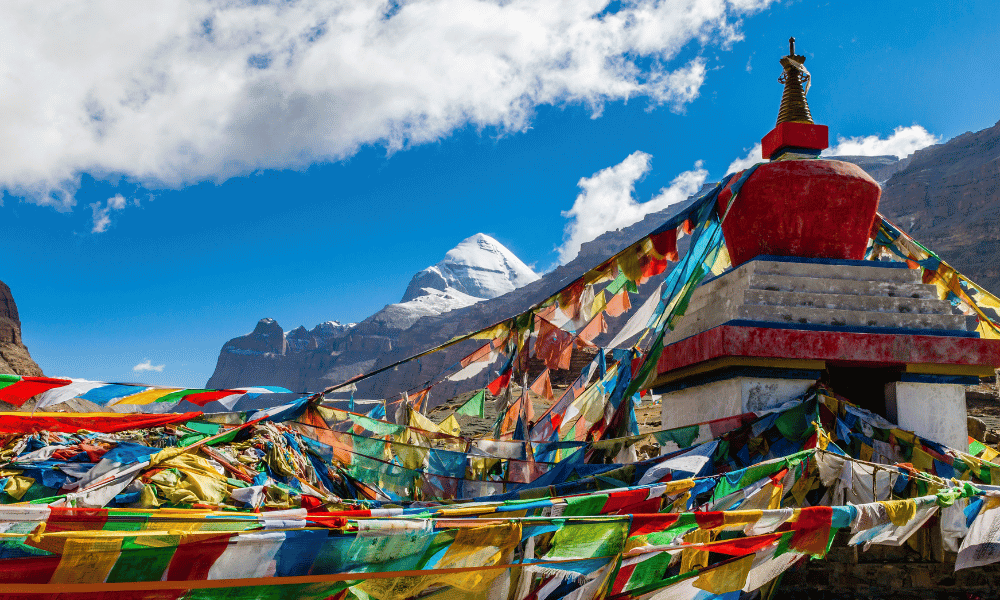
Improved access along the Karnali Corridor could help tourism operators develop journeys combining Humla’s cultural attractions with mountain landscapes and religious sites. However, tourism growth in these remote areas will require more than road connectivity alone. Accommodation, trained guides, reliable transport, visitor information, emergency services, and responsible management of sensitive natural and cultural sites will all be important in providing a safe and rewarding experience.
Local Communities Could Benefit from Tourism Growth
Improved accessibility could create new opportunities for hotels, homestays, restaurants, transport operators, guides and local product suppliers across Karnali. As visitor numbers grow, communities could earn income by providing accommodation, food, cultural experiences, guiding services and locally produced goods. Tourism development could also encourage investment in small businesses and create employment opportunities, particularly for residents of remote settlements.
Community-based tourism and homestays could allow visitors to experience local traditions, cuisine and lifestyles while helping tourism revenue remain within the destination. To achieve these benefits, tourism planning will need to balance infrastructure development with environmental protection and cultural preservation. Investment in waste management, trail maintenance, visitor safety and locally led tourism services will be essential to ensure that increased accessibility supports sustainable growth.
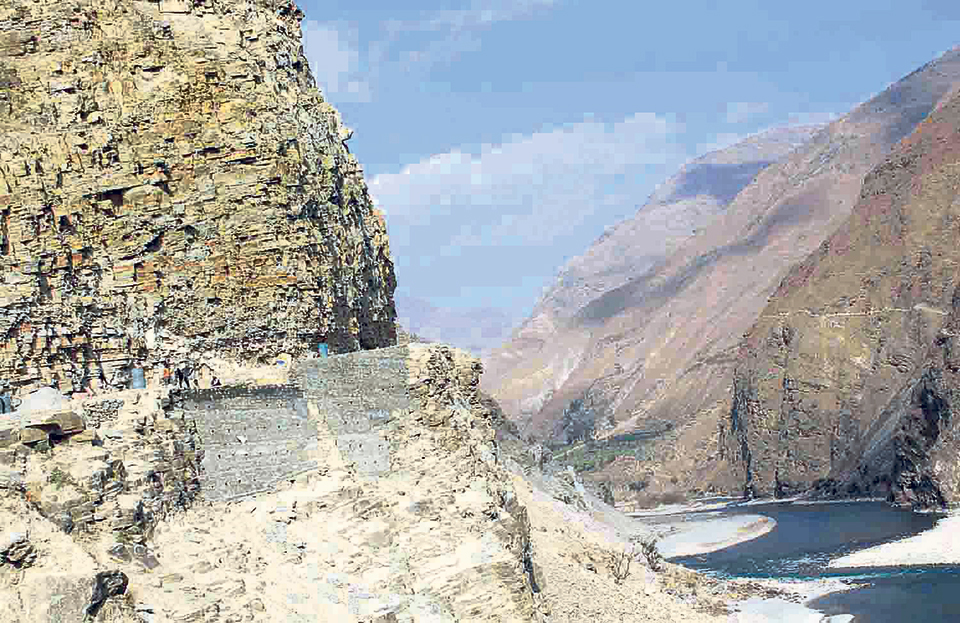
Infrastructure Upgrades Key to Unlocking Karnali’s Potential
The Karnali Corridor is expected to serve wider economic purposes, including cross-border trade, hydropower development and improved access to markets. Road widening, surfacing, bridge construction and more dependable transport services remain important to strengthening the corridor’s effectiveness. Difficult geography and the need for continued infrastructure improvements mean that its full benefits will emerge gradually.
For tourism, the corridor represents an opportunity to connect Karnali’s scattered attractions into a more accessible regional destination. Coordination among federal, provincial and local governments, tourism organisations, transport operators and local communities will be important in promoting destinations and improving visitor services.
With better connectivity and sustainable destination planning, the Karnali Corridor could help bring greater attention to western Nepal’s natural beauty, cultural heritage and pilgrimage attractions. Its long-term tourism contribution will depend on turning improved road access into well-managed destinations that offer visitors reliable services and meaningful experiences while supporting local livelihoods.