A glacial lake outburst flood (GLOF) triggered by the sudden bursting of Shintaphu Lake in Bhutan’s Gasa District has caused significant damage to infrastructure at the popular Gasa Tshachu natural hot springs, while authorities in downstream areas of West Bengal and Assam have stepped up flood preparedness.
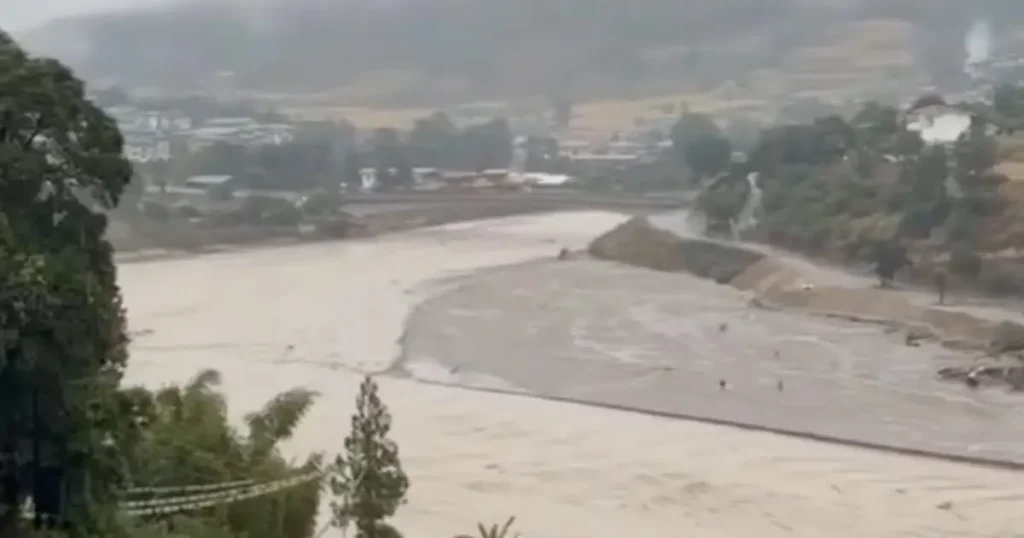
The late-night flash flood sent a powerful flow of water through the Gasa Tshachu area, damaging tourism infrastructure and roads. No deaths or injuries have been reported so far, as people in the affected area were evacuated before the floodwaters reached the site. The full extent of the damage remains unclear, with Bhutanese authorities unable to conduct a complete assessment immediately because the flood occurred at night and strong currents and debris made access difficult.
Gasa Tshachu Infrastructure Damaged by Flash Flood
According to Bhutan’s state broadcaster Bhutan Broadcasting Service (BBS), the sudden release of water from Shintaphu Lake swept through the Gasa Tshachu hot-spring area with considerable force.
Two Bailey bridges in the area are suspected to have been washed away by the floodwaters. Bailey bridges are temporary or portable structures assembled from prefabricated sections and are commonly used to restore connectivity in remote and mountainous areas.
Bhutan’s national newspaper Kuensel reported that a section of the road leading toward Laya village, where the hot springs are located, was also washed away. The road has subsequently been closed to traffic until further notice, leaving the affected area inaccessible by road.
Flood debris has also affected sections of the Punakha-Gasa Highway, while infrastructure in other parts of the Mo Chhu river system has been reported damaged. A solar-powered irrigation system in Punakha was also partially damaged and has stopped functioning, according to reports.
Area Evacuated Before Floodwaters Arrived
Authorities had moved people away from the Gasa Tshachu area before the floodwaters reached the site, preventing loss of life and injuries.
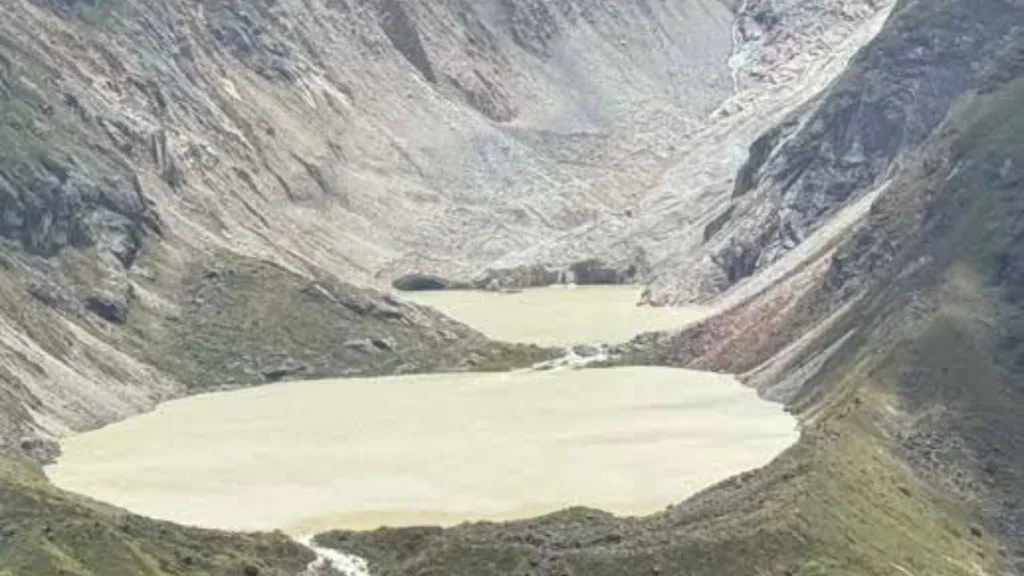
The incident occurred after the reported outburst from Shintaphu Lake, which is located below Wakila Mountain in Bhutan’s Gasa District. The lake is considered one of Bhutan’s potentially dangerous glacial lakes and lies within the upper reaches of the Mo Chhu river system.
The floodwaters subsequently moved downstream through the Mo Chhu toward the wider Punatsangchhu-Sankosh river system, raising concerns about possible flooding in downstream areas of India.
West Bengal on High Alert as Water Moves Toward Sankosh
The glacial lake outburst has triggered flood alerts in parts of India, particularly in West Bengal’s North Bengal region and Assam.
Authorities have been closely monitoring the Sankosh River and its tributaries as floodwaters from Bhutan move downstream. Residents living along vulnerable sections of the river have been advised to move to safer locations as a precaution.
West Bengal authorities activated disaster-management mechanisms after receiving information about the outburst. State disaster-response teams have been deployed, while the National Disaster Response Force (NDRF) and civil defence personnel have also been placed on standby.
According to reports from Indian authorities, approximately 4,000 to 5,000 people had been moved into relief shelters, mainly in school buildings, while more than 6,000 others had been relocated to safer areas. This brought the number of people moved away from potentially vulnerable locations to more than 10,000.
Officials have said there is no need for panic but have urged residents in flood-prone areas to remain alert and follow instructions from local authorities.
Darjeeling, Dooars and Assam Areas Asked to Remain Vigilant
The potential downstream impact has prompted heightened vigilance across parts of West Bengal and Assam.
Residents living along the Sankosh River and connected tributaries have been advised to stay away from riverbanks and move to safer areas if necessary. Darjeeling hills, the Terai and Dooars regions, as well as parts of Alipurduar and Jalpaiguri, have been placed under heightened monitoring.
Authorities are also watching the situation in Assam, particularly areas that could be affected as the river system eventually connects with the Brahmaputra basin.
West Bengal officials have said that disaster-response agencies are maintaining coordination with Bhutanese authorities and continuously monitoring the water situation.
Gasa Tshachu Has Faced Flood Risks Before
The latest incident is not the first major flood to affect Gasa Tshachu.
In August 2021, a major flash flood caused the Mo Chhu River to change course and sweep through the Gasa Tshachu area, severely affecting the popular hot-spring destination. The latest event has once again highlighted the vulnerability of tourism infrastructure located along Himalayan river systems.
Gasa Tshachu is one of Bhutan’s notable natural tourism attractions, known for its therapeutic hot springs and Himalayan landscape. The destination attracts both domestic and international visitors and forms part of Bhutan’s nature- and wellness-oriented tourism offerings.
The latest damage could therefore disrupt tourism activity in the area until road access and essential infrastructure are restored.
Shintaphu Among Bhutan’s High-Risk Glacial Lakes
Shintaphu Lake, also referred to as Shintaphu Tsho, is regarded as one of Bhutan’s 17 potentially dangerous glacial lakes.
The lake is located in the upper reaches of the Mo Chhu river system, and a sudden release of water can send a powerful flood downstream through narrow Himalayan valleys. The extent of a GLOF can depend on the volume of water released, the condition of the natural dam and the amount of sediment and debris carried by the flood.
Reports indicate that a water-level monitoring station exists at Taktsimakhang. However, an official from Bhutan’s National Centre for Hydrology and Meteorology said an alert had not been triggered at the monitoring station when initial reports of the outburst emerged.
What Is a Glacial Lake Outburst Flood?
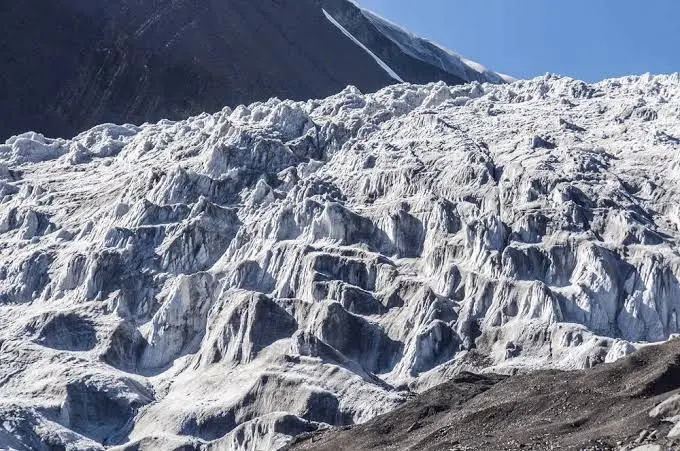
A Glacial Lake Outburst Flood occurs when a large volume of water stored behind a natural glacial dam is suddenly released.
Glacial lakes are commonly formed as glaciers retreat and melt, leaving water accumulated behind natural barriers made of ice, rock and debris. These natural dams can become unstable and may fail because of landslides, avalanches, rapid snow or ice melt, earthquakes or other disturbances.
Once the dam fails, water can rush rapidly downstream, carrying rocks, mud, trees and other debris. Such floods can destroy roads, bridges, hydropower facilities, settlements and tourism infrastructure within a short period.
The Himalayan region is particularly vulnerable to GLOFs because of its rapidly changing glaciers, steep terrain and growing concentration of communities and infrastructure in mountain valleys.
Growing Climate and Tourism Risks in the Himalayas
The Shintaphu incident has again drawn attention to the increasing risks posed by glacial lakes and sudden flood events across the Himalayan region.
For tourism destinations such as Gasa Tshachu, the challenge extends beyond immediate disaster response. Roads, bridges, accommodation facilities, trekking routes and other tourism infrastructure in remote mountain areas can be highly vulnerable to flash floods and changing river courses.
Authorities in Bhutan are expected to conduct a detailed assessment of damage to roads, bridges, tourism facilities and other infrastructure once conditions permit safe access.
The incident also highlights the importance of early-warning systems, cross-border hydrological information sharing and disaster preparedness in Himalayan river basins, where a flood originating in the mountains can affect communities far downstream across international borders.
With the full extent of the damage still being assessed, authorities in both Bhutan and neighbouring Indian states remain on alert as they monitor the movement and level of floodwaters along the downstream river system.