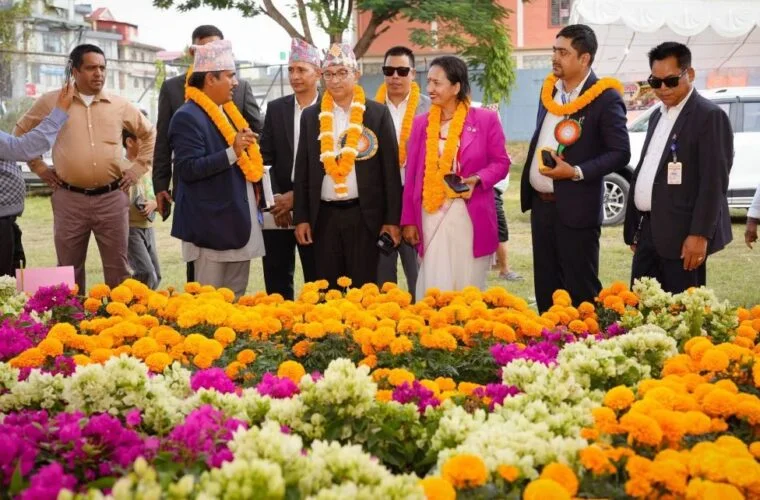
Pokhara has welcomed the Ninth Godavari Flower Exhibition and Third Marigold Flower Festival, bringing together local flower producers, nurseries and visitors ahead of the Tihar and Chhath festivals. Organized by the Floriculture Association Nepal, Kaski, the event was inaugurated on Wednesday by Pokhara Metropolitan City Mayor Dhanraj Acharya. The festival is being held at the grounds of Pokhara Stadium and will continue until November 9. It features locally produced marigolds, chrysanthemums and various other flowers and ornamental plants for display and sale.
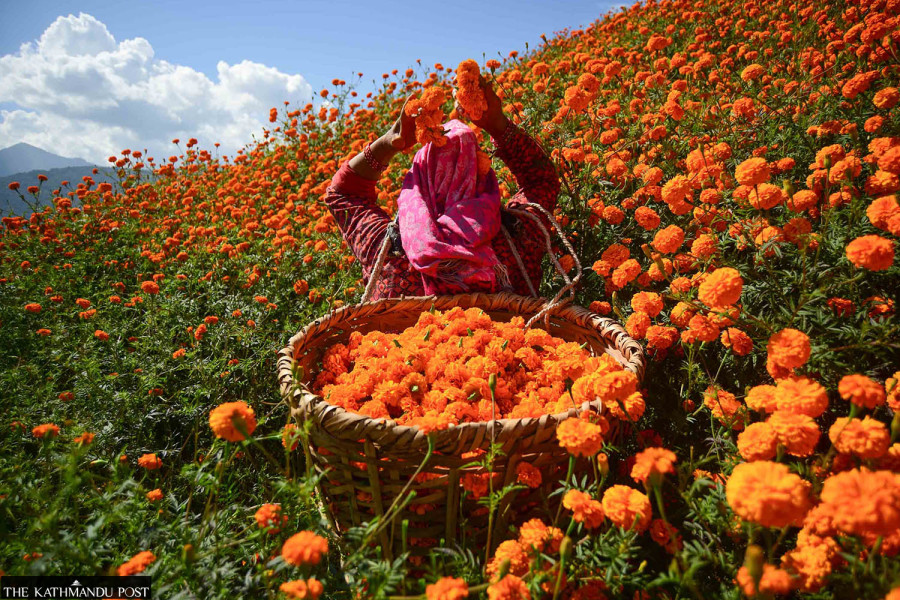
The exhibition aims to promote local flower production while creating a convenient marketplace for farmers and consumers during the peak festive season. With demand for flowers rising during Tihar, the event offers local producers an opportunity to sell their products directly and reach a wider customer base. It also adds a seasonal attraction to Pokhara’s calendar of local events, connecting visitors with the city’s agricultural products and community based activities. The initiative reflects the growing role of local festivals and exhibitions in supporting Pokhara’s wider visitor experience.
Pokhara Strengthens Its Local Flower Production
Speaking at the inauguration, Mayor Acharya emphasized the need to increase flower production and productivity to make Pokhara more self sufficient in floriculture. He highlighted the importance of maintaining product quality, improving market management and making the flower business more competitive and sustainable. According to the metropolitan city, commercial marigold cultivation currently covers approximately 200 ropanis of land in Pokhara. Municipal support for local production has encouraged more farmers to engage in commercial flower farming.
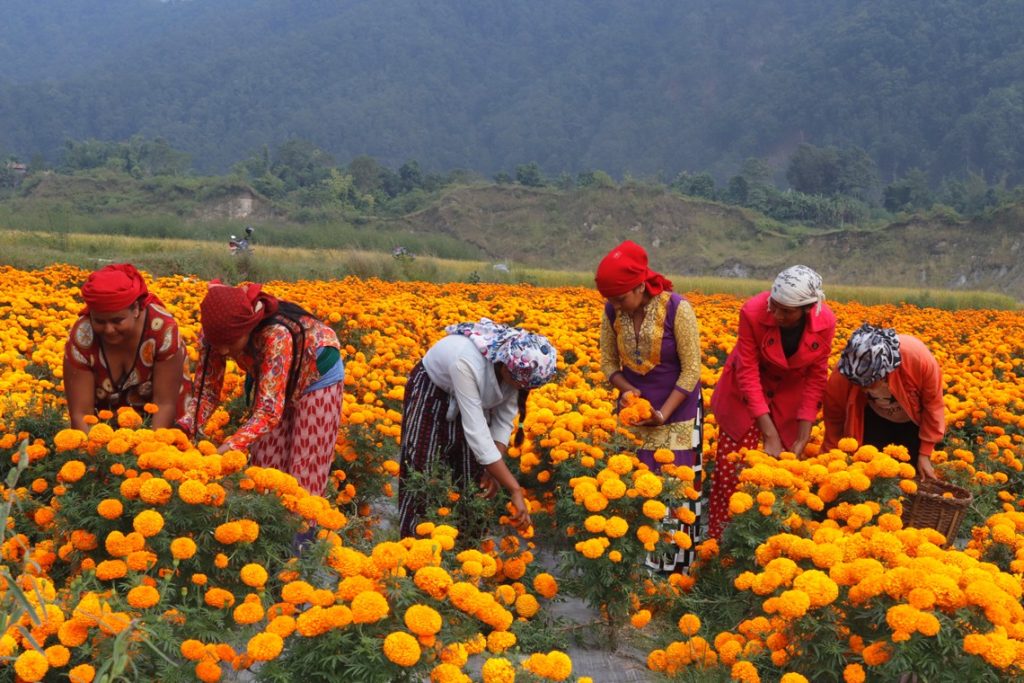
The mayor also pointed to the city’s potential to expand its floriculture sector by strengthening local supply and reducing dependence on imported flowers. He encouraged farmers and businesses to focus on quality production and develop reliable marketing arrangements. The growing cultivation of marigolds and other flowers has created opportunities for agricultural entrepreneurship and increased income for local producers. Strengthening the sector could further establish floriculture as a productive component of Pokhara’s local economy.
Flower Trade Supports Employment and Entrepreneurship
Pokhara’s annual flower trade is estimated to be worth approximately NPR 30 million, highlighting the economic importance of the sector. Manahar Kadariya, Chief of the Metropolitan City’s Economic Development Division, said the municipality remains committed to encouraging farmers and ensuring a secure and organized marketplace for flower businesses. He noted that floriculture contributes to local economic activity, employment generation and agricultural entrepreneurship. Greater cooperation between producers and traders is also necessary to make the industry more organized and commercially sustainable.
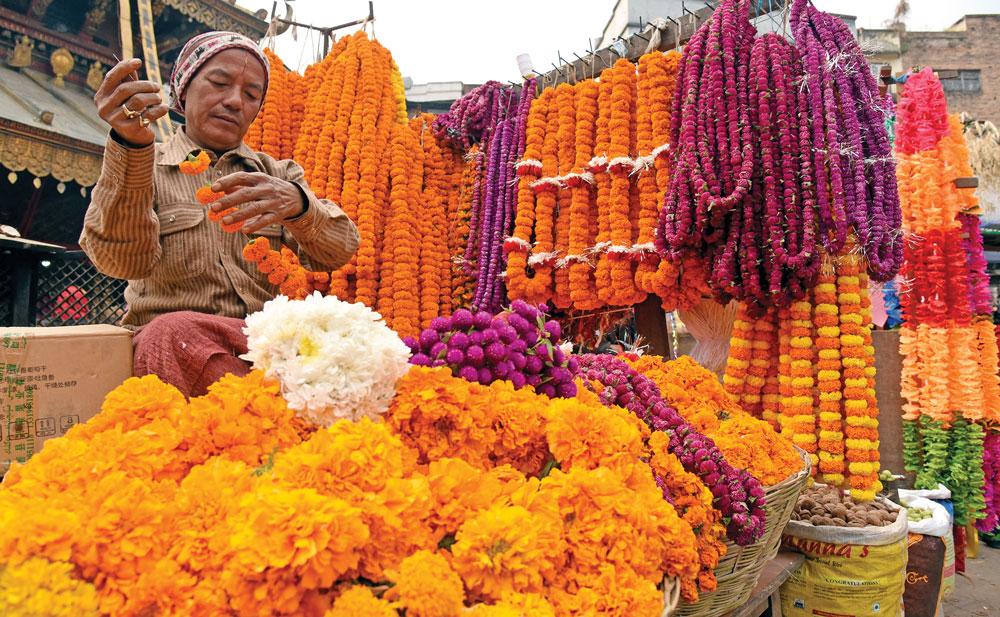
The festival brings together different varieties of chrysanthemums, marigolds and other ornamental plants, offering opportunities for both established businesses and local growers. According to Floriculture Association Nepal, Kaski President Ram Prasad Subedi, 42 affiliated nurseries and flower businesses are involved in flower production and distribution. The exhibition is expected to strengthen the connection between producers and consumers while increasing public interest in locally grown flowers. It also provides a platform for showcasing the diversity and commercial potential of Pokhara’s floriculture industry.
Festival Adds a Seasonal Attraction to Pokhara
The timing of the exhibition makes it particularly relevant as households and businesses prepare for Tihar and Chhath, when flowers are widely used in decorations and religious celebrations. By bringing different varieties of flowers and plants together in one location, the festival makes seasonal purchases more accessible to residents and visitors. It also provides local farmers with an opportunity to benefit from increased festive demand. Such community focused events help showcase local products while adding to the seasonal activities available in Pokhara.
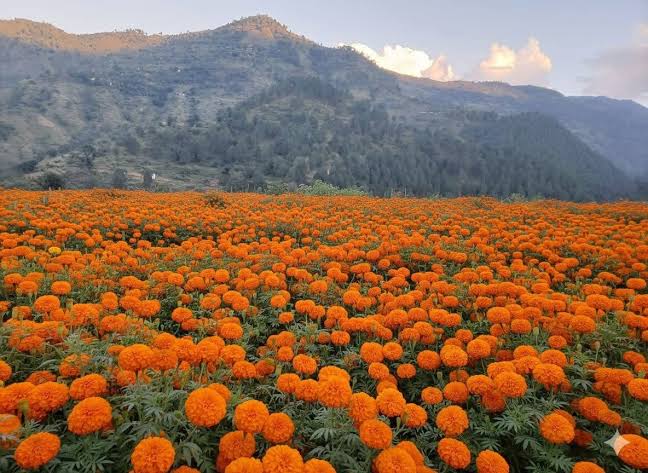
The organizers expect the exhibition to promote the floriculture business, improve market access for local products and encourage more people to appreciate flowers and ornamental plants. For Pokhara, which is widely recognized for its natural attractions and tourism activities, the festival offers another way to highlight local enterprise and community participation. Its combination of seasonal celebrations, locally produced flowers and commercial activities creates an opportunity to connect the city’s cultural atmosphere with its local economy. Continued support for such events could help strengthen Pokhara’s identity as a destination offering more than conventional sightseeing and adventure tourism.
Source: RSS