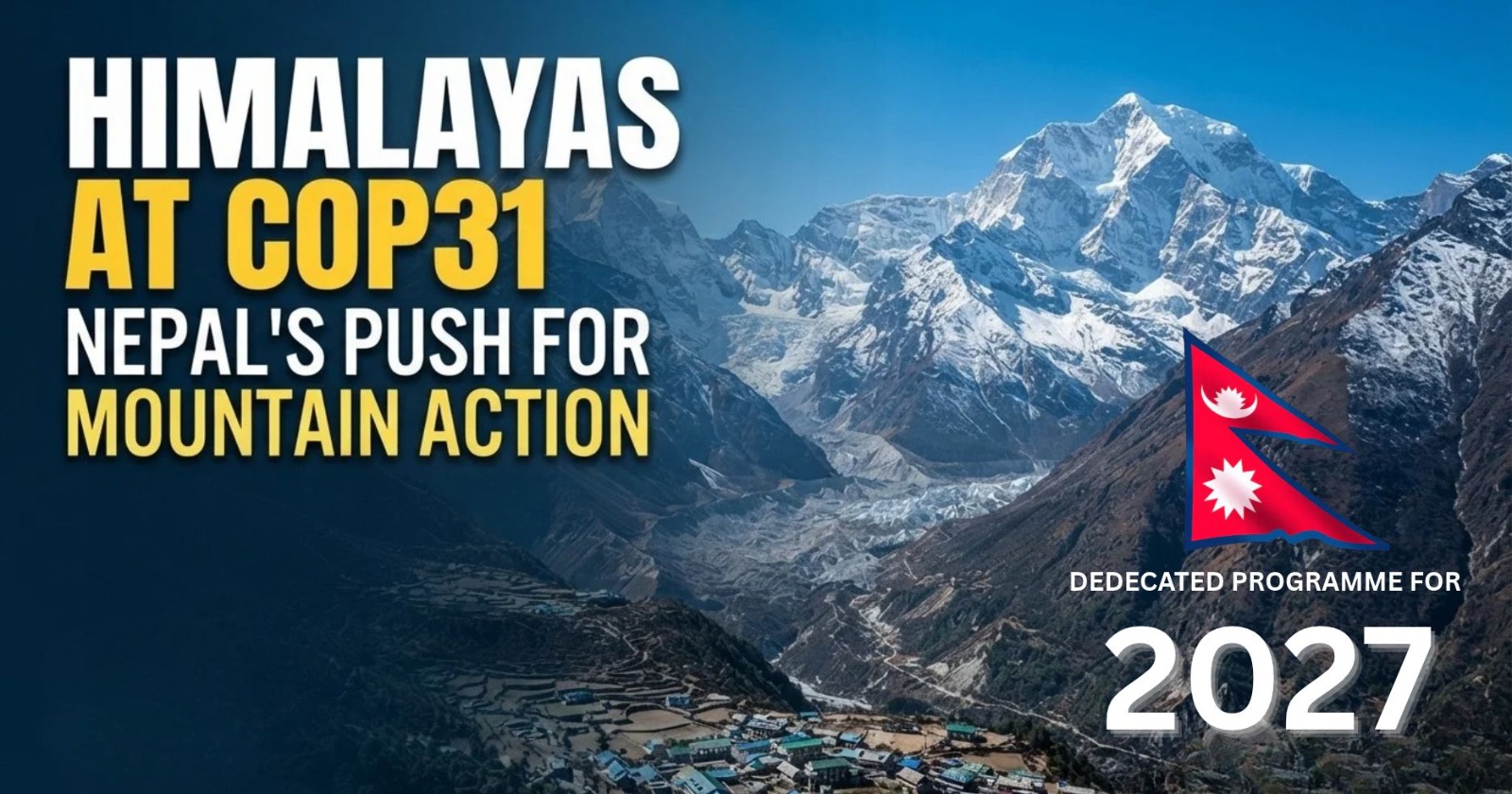
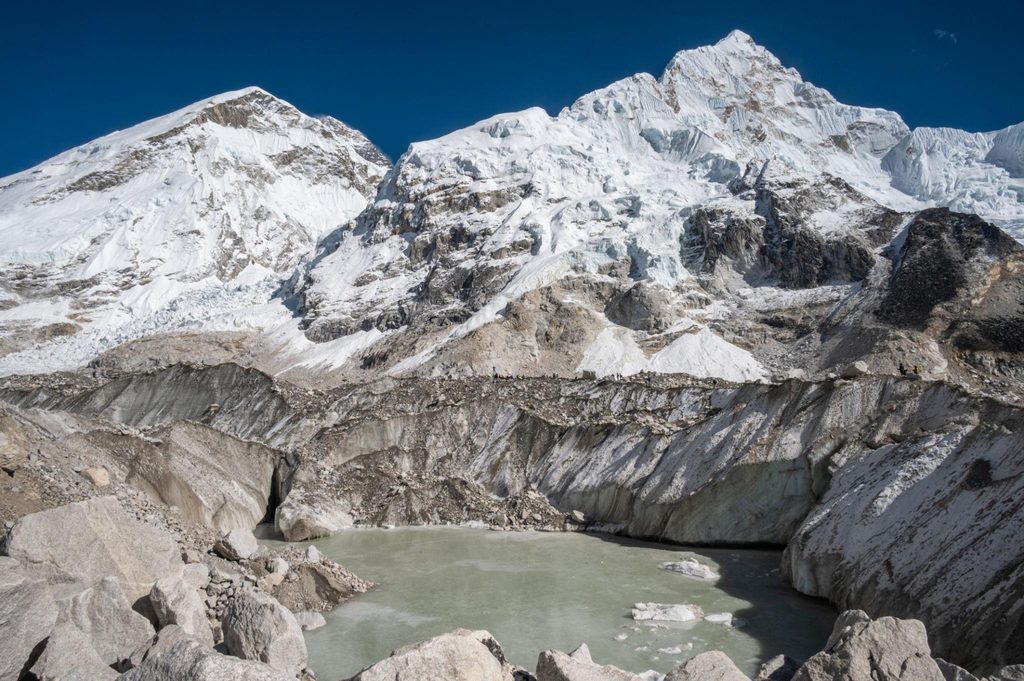
Nepal is stepping up its efforts to secure stronger international action on climate change in mountain regions, proposing the launch of a dedicated Mountain and Climate Change Programme from 2027 under the United Nations climate process. The initiative is aimed at addressing the growing environmental challenges facing the Himalayas, including glacier-related risks, changing mountain ecosystems and the increasing vulnerability of communities whose livelihoods depend on these regions. The proposed programme has gained a place in the draft decision of the 31st Conference of the Parties to the United Nations Framework Convention on Climate Change (COP31), currently taking place in Antalya, Türkiye.
Nepal has welcomed the inclusion of mountain-related provisions in the draft but has called for more specific arrangements to ensure that the proposed initiative moves beyond international discussions and becomes an effective programme with a clear implementation framework. Dr Maheshwar Dhakal, Joint Secretary at the Ministry of Agriculture, Forests and Environment, said Nepal would put forward three major proposals concerning the programme’s implementation. These include establishing a clear timeline for its launch from 2027, defining its scope and operational procedures, and developing mountain-specific indicators to assess climate adaptation and climate finance.
Nepal Seeks Clear Implementation Framework for 2027
Nepal’s proposed measures are intended to establish a practical foundation for the programme. Although the latest COP31 draft decision recognises the importance of a dedicated initiative for high-altitude regions, Nepal believes that further clarity is necessary regarding how the programme will operate, what areas it will cover and how its progress will be assessed. Setting a definite launch timeline would help establish when the programme is expected to begin and provide a basis for countries and relevant institutions to prepare for its implementation. Similarly, defining its scope and operational arrangements would help clarify the responsibilities, priorities and activities required to address climate-related challenges in these regions.
Nepal is also seeking the development of specific indicators for climate finance and adaptation in high-altitude areas. These regions have distinct geographical and environmental conditions, meaning that general climate assessment frameworks may not adequately capture their particular vulnerabilities and requirements. Dedicated indicators could help identify the financial resources needed for adaptation, assess the effectiveness of climate initiatives and highlight the support required by vulnerable communities.
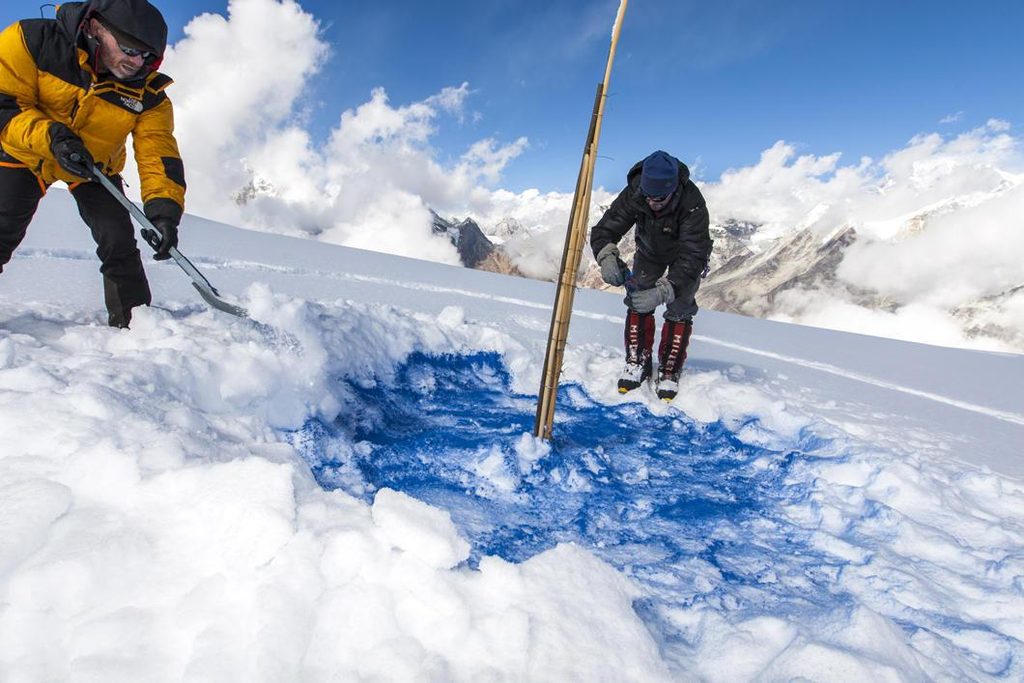
These measures are particularly important for countries such as Nepal, where mountain ecosystems play a significant role in environmental stability, water resources, biodiversity and local livelihoods. A clearly defined international framework could also strengthen cooperation among mountain countries and encourage greater attention to their specific priorities in global climate policies.
COP31 Draft Recognises Mountain Regions and Glacier-Dependent Communities
Paragraph 31 of the COP31 draft decision proposes establishing a separate programme of work addressing climate change in high-altitude regions. Its main objectives include strengthening scientific understanding of these environments, promoting climate adaptation, improving resilience and supporting communities that depend on glaciers and surrounding ecosystems. The proposed initiative reflects growing recognition that fragile ecosystems and glacier-dependent populations face particular risks from climate change. Scientific research and a better understanding of these impacts are essential for identifying emerging threats, developing appropriate adaptation measures and strengthening communities’ ability to respond to environmental changes.
The draft also proposes including climate-related issues in high-altitude regions as a standing agenda item at future Conferences of the Parties. If retained in the final decision, this provision would provide a regular platform for countries to raise related concerns during international negotiations rather than relying only on occasional discussions or individual initiatives. In addition, the draft proposes a high-level dialogue on these issues at COP32. It also refers to discussions during the 66th and 68th sessions of the subsidiary bodies under the UN climate convention.
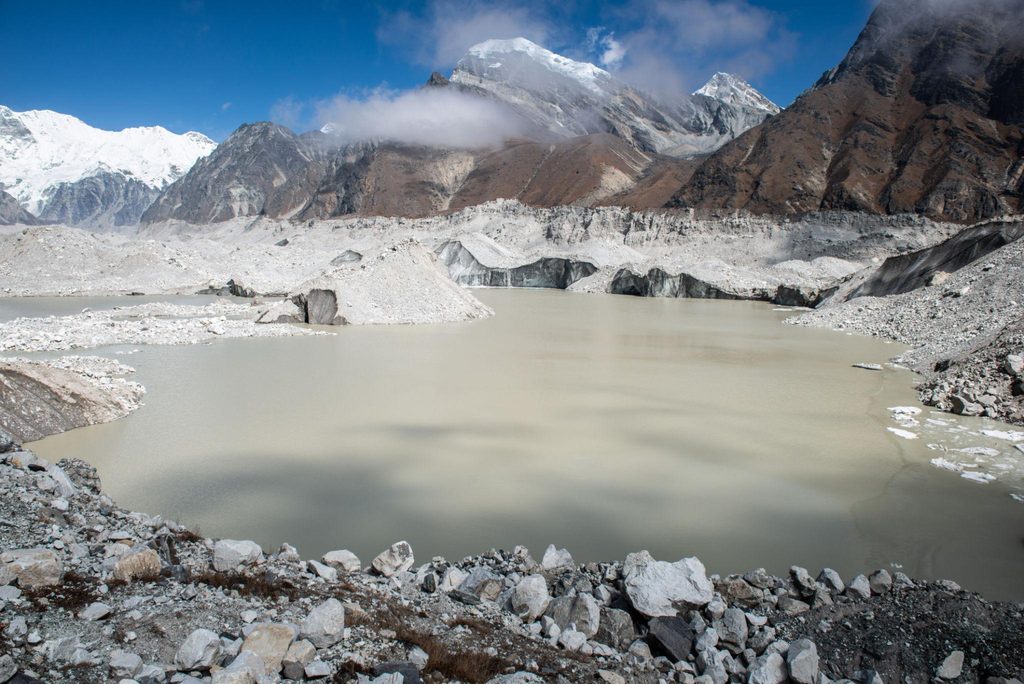
These discussions are intended to maintain international engagement on mountain issues and encourage the concerns of mountain countries, Indigenous Peoples and local communities to be reflected in climate-related decisions. The proposed arrangements could help strengthen the exchange of scientific knowledge, policy experiences and adaptation approaches among countries facing similar mountain-related challenges. However, the final scope and implementation details will depend on the outcome of negotiations and the eventual decision adopted by the conference.
Nepal and Bhutan Highlight Himalayan Warming at COP31
Nepal’s latest push builds on an earlier joint initiative with Bhutan to bring the impacts of rising temperatures in mountain regions into the formal discussions of COP31. On October 29, the two Himalayan countries submitted a proposal seeking a separate agenda item titled “1.5°C Warming in Mountains”. The proposal was submitted by Minister for Agriculture, Forests and Environment Gita Chaudhary on behalf of Nepal and Bhutan under Rule 12 of the draft rules of procedure of the Conference of the Parties.
It sought international attention to the consequences of global warming for mountain regions, particularly the Himalayan ecosystem. Through the initiative, the two countries aimed to make the risks associated with rising temperatures in the Himalayas a more prominent subject in international climate negotiations. Their proposal highlighted the importance of improving scientific understanding of mountain climate impacts and strengthening international cooperation to address the challenges facing these regions.
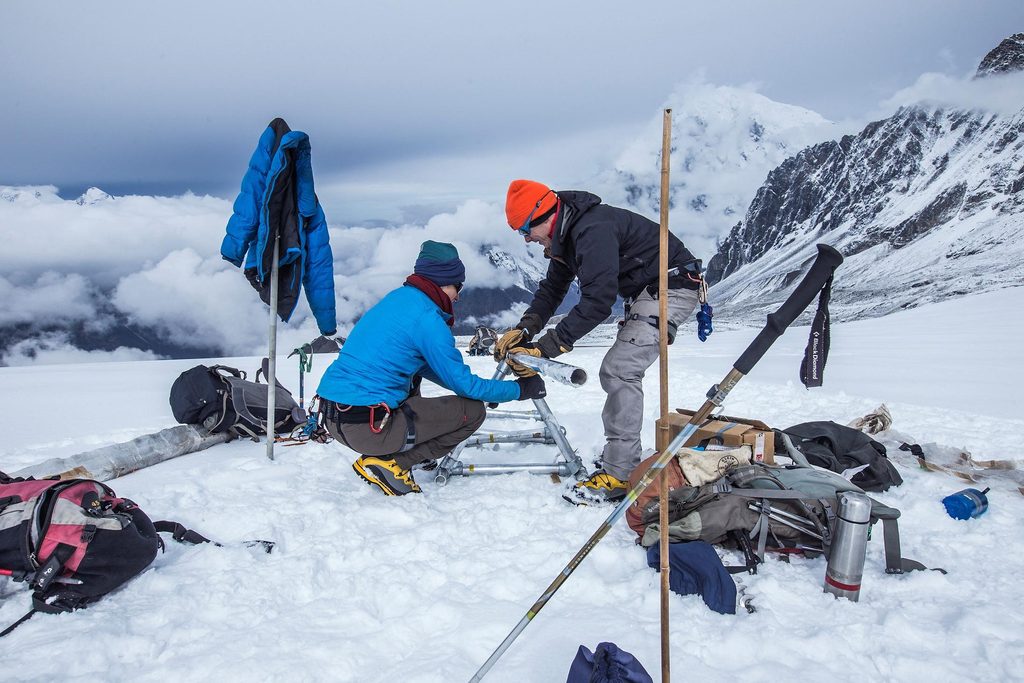
The original Nepal-Bhutan submission also called for an annual high-level dialogue on mountains and climate change, progress towards a dedicated work programme and the integration of mountain-specific priorities into adaptation frameworks, climate finance and loss-and-damage arrangements. Separately, Nepal, Bhutan and Kyrgyzstan have jointly advanced efforts to establish a dedicated programme addressing mountain regions and climate change. The inclusion of a mountain-focused provision in the latest COP31 draft represents progress in bringing the concerns of mountain countries into the broader international climate agenda.
Mountain Climate Action Important for Nepal’s Sustainable Future
The proposed initiative is particularly important for Nepal, as its glaciers and high-altitude ecosystems are closely linked to the country’s natural environment, water resources, biodiversity and economic activities. Climate-related changes in these areas can affect local settlements as well as downstream populations and economic activities. Improved scientific research, adaptation strategies and resilience-building measures could help local communities prepare for environmental changes and strengthen their ability to respond to climate-related risks. International cooperation and access to adequate climate finance will also be essential to translate the proposed measures into practical action.
The initiative is also relevant to Nepal’s tourism sector. The country’s Himalayan landscapes, trekking trails, mountaineering destinations and local communities are major attractions for international visitors. Protecting fragile ecosystems and strengthening the resilience of local communities are therefore essential for the long-term sustainability of tourism. Climate-focused planning, reliable scientific information and stronger adaptation measures could help preserve natural landscapes and support communities providing services to visitors across high-altitude destinations. However, the proposed initiative is primarily a climate action programme, and its contribution to tourism will depend on how its measures are developed and implemented.
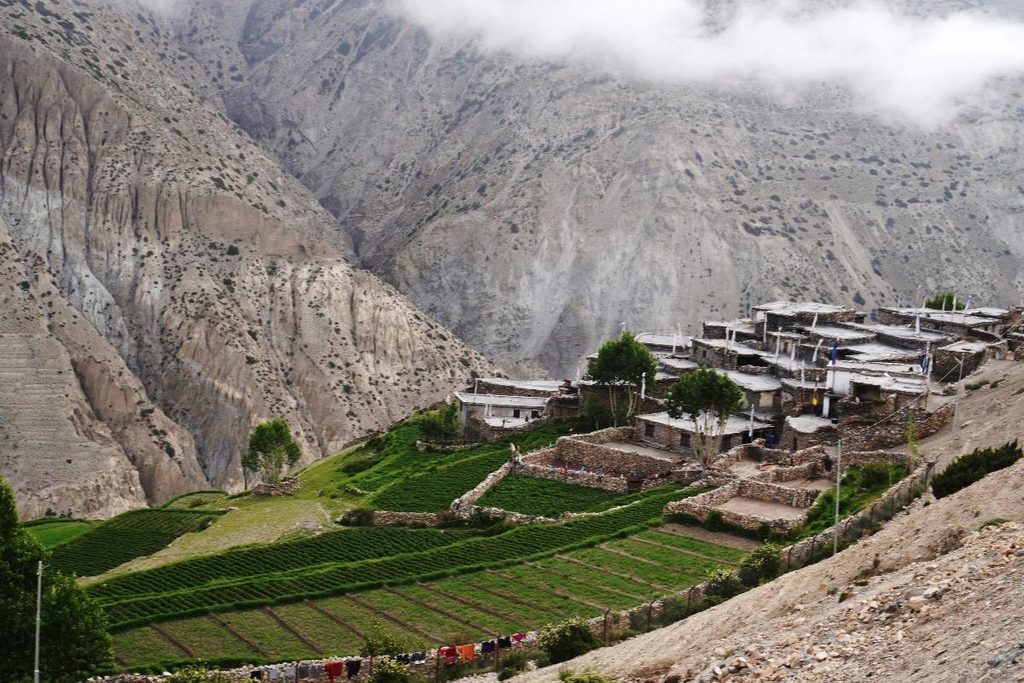
With Nepal continuing to advocate for a dedicated mountain climate framework at COP31, the country is seeking greater international recognition of the specific challenges faced by the Himalayas and other mountain regions. Its call for a 2027 launch timeline, clearly defined implementation arrangements and mountain-specific climate indicators reflects an effort to translate international recognition into measurable action. The final outcome of COP31 will determine whether the proposed provisions become part of an agreed international framework. If adopted with clear implementation commitments, the initiative could provide a stronger platform for scientific cooperation, climate adaptation and resilience-building in mountain regions, while giving greater visibility to the needs of countries and communities dependent on these fragile ecosystems.