Hotel Association Nepal (HAN) has proposed doubling annual Indian tourist arrivals to Nepal from approximately 300,000 to 600,000 by the end of 2028, urging the government to prioritise air connectivity, religious tourism, tourism circuits and bilateral cooperation during Prime Minister Balendra Shah’s upcoming India visit.
Nepal’s tourism sector sees the Prime Minister’s forthcoming visit to India as an important opportunity to strengthen tourism cooperation between the two countries and unlock the potential of the Indian outbound travel market. HAN has urged the government to raise tourism-related issues at the highest political level, particularly the expansion of air and land connectivity, promotion of religious tourism, development of cross-border tourism circuits and facilitation of private-sector collaboration.
HAN President Binayak Shah said Nepal has considerable potential to attract more Indian visitors but has not been able to achieve the expected growth due to connectivity limitations and other operational challenges. According to the association, Nepal currently receives an average of around 300,000 Indian tourists annually, a figure that could be doubled through coordinated efforts and improved travel infrastructure. The association has proposed setting a target of welcoming 600,000 Indian tourists annually by the end of 2028, aligning the initiative with Nepal’s tourism promotion ambitions and the government’s plans to declare 2028 as Nepal Visit Year.

Air Connectivity Identified as the Key to Doubling Indian Tourist Arrivals
HAN has identified improved air connectivity as the most important factor in increasing Indian tourist arrivals. Shah said expanding direct flights between Nepal and major Indian cities, alongside improving the operational effectiveness of Nepal’s international airports, could significantly increase visitor numbers. The association has proposed establishing direct air links between Nepal and major Indian cities, including Delhi, Mumbai and Bengaluru, as well as regional and border cities such as Lucknow, Kanpur and Varanasi. It has also identified Bihar, Uttar Pradesh, West Bengal, Punjab, Rajasthan and Gujarat as important source markets for Nepal’s tourism industry.
According to Shah, Indian travellers are interested in visiting Nepal for religious pilgrimage, shopping, casino entertainment, cultural experiences and other leisure activities. However, inadequate air connectivity, travel convenience and management-related challenges have prevented the country from fully tapping into this demand. HAN has urged the government to create a favourable environment for both Nepali and Indian airlines to operate regular flights between Nepal and additional Indian cities. Expanding these connections could make Nepal more accessible to travellers from different parts of India, reducing dependence on existing routes and opening new tourism markets.
The association has also emphasised the need for political-level coordination to improve the operational effectiveness of Gautam Buddha International Airport in Bhairahawa and Pokhara International Airport. While technical and operational arrangements remain important, HAN believes that bilateral decisions and government-level facilitation are also necessary to improve the utilisation of these airports and strengthen Nepal’s international air connectivity. Improved connectivity through these airports could support tourism growth in Lumbini, Pokhara and surrounding destinations, while providing Indian travellers with more convenient access to Nepal’s major tourism attractions.
Ayodhya–Janakpur Religious Tourism Circuit Could Open New Opportunities
Religious tourism has been identified as another major opportunity for strengthening Nepal-India tourism relations. HAN has particularly highlighted the proposed railway connection between Ayodhya in India and Janakpur in Nepal as a potential development that could create a new cross-border pilgrimage route. The proposed connection could facilitate travel for Indian pilgrims visiting Ayodhya and provide an opportunity to extend their journeys to Janakpur, home to the historic Janaki Temple, one of Nepal’s most significant religious and cultural attractions.
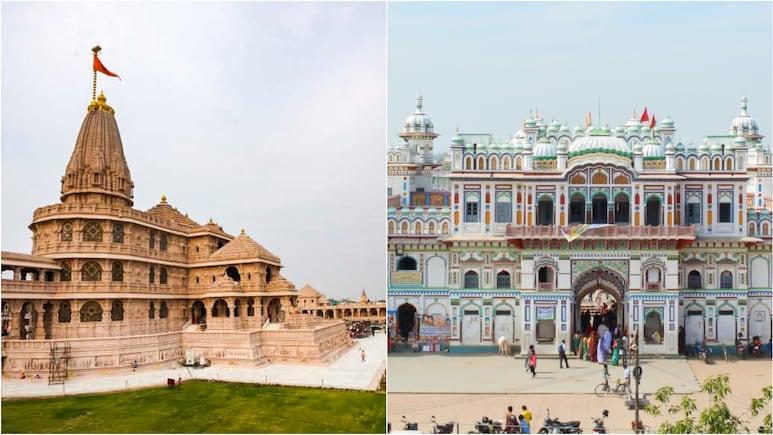
Shah said bringing pilgrims from Ayodhya to Janakpur could help expand religious tourism and create new opportunities for tourism businesses in Madhesh Province and beyond. The association believes that improved transport connectivity between the two destinations could strengthen the Ramayana-related tourism circuit and encourage more cross-border religious travel. However, HAN has emphasised that visitors arriving in Janakpur should not be limited to the city alone. Instead, integrated tourism packages should be developed to connect Janakpur with other major destinations, including Kathmandu, Pokhara and Chitwan, allowing visitors to explore Nepal’s wider tourism offerings.
The association’s Madhesh Province chapter, travel agencies and tourism-related organisations are preparing promotional programmes and tourism packages aimed at attracting Indian pilgrims and encouraging them to extend their stay in Nepal. The proposed Ayodhya–Janakpur connection could also strengthen the broader Ramayana Circuit, linking important religious destinations associated with the Hindu epic across Nepal and India. HAN has urged both governments to move beyond discussions and implement previously proposed religious tourism initiatives and cross-border cooperation programmes.
Sports, MICE and Destination Weddings Emerging as New Tourism Opportunities
Beyond religious tourism, HAN has identified sports tourism, Meetings, Incentives, Conferences and Exhibitions (MICE), business travel and destination weddings as promising segments for attracting Indian visitors. The ongoing Nepal Premier League (NPL) cricket tournament in Kathmandu has highlighted the potential of sports tourism between Nepal and India. Shah said cricket and other sporting events could be jointly promoted to attract spectators, sports enthusiasts and visitors from neighbouring India.
Nepal’s geographical proximity, cultural similarities and growing sporting activities provide opportunities to develop the country as a regional sports tourism destination. HAN believes that promoting sporting events through cross-border cooperation could encourage more Indian visitors to travel to Nepal while supporting hotels, restaurants, travel agencies and other tourism businesses. MICE tourism is another segment the association wants to develop. Indian companies could be encouraged to organise business meetings, conferences, corporate events and exhibitions in Nepal, creating opportunities for increased business travel and higher-value tourism.
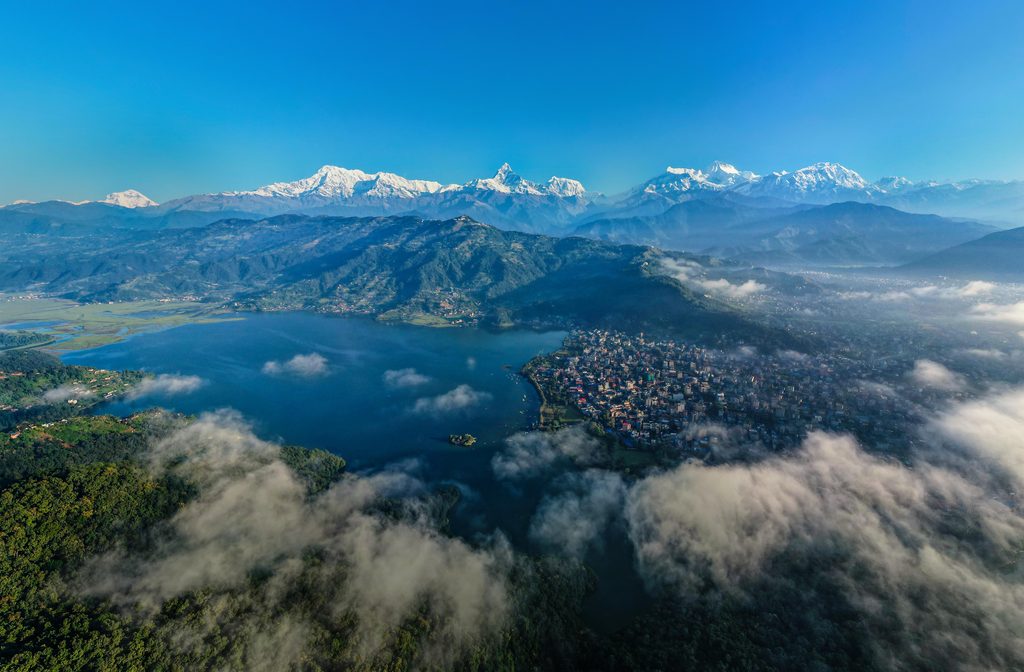
The association has also highlighted the growing potential of destination weddings, particularly among affluent Indian families seeking distinctive locations for wedding celebrations. Nepal’s natural landscapes, luxury hotels, cultural venues and proximity to India could make it an attractive destination for such events. HAN has called for the development of specialised tourism packages and more favourable policy arrangements to attract Indian wedding organisers, families and corporate clients. These tourism segments could help diversify Nepal’s tourism market beyond conventional sightseeing and pilgrimage travel while increasing visitor spending and length of stay.
Policy Facilitation and Existing Tourism Agreements Need Implementation
HAN has also proposed that Nepal seek facilitation for Indian government employees to travel to Nepal under India’s Leave Travel Allowance (LTA) facility. According to the association, allowing Nepal as an eligible destination under this benefit could encourage a large number of Indian government employees and their families to visit the country. The association believes that such a policy could create additional demand for Nepal’s tourism industry, particularly for leisure, cultural and religious travel. It has urged the Nepal government to raise the issue with Indian authorities during bilateral discussions.
Shah further pointed out that several tourism cooperation mechanisms and joint committees between Nepal and India have previously discussed initiatives such as the Hindu Circuit and Ramayana Circuit. However, he said implementation of these proposals has remained weak, despite the potential to strengthen tourism flows between the two countries. HAN has called for the implementation of previous agreements, studies and recommendations related to tourism promotion, connectivity and cross-border travel.
It believes that political-level engagement is necessary to address longstanding issues and translate proposed initiatives into practical outcomes. The association has been presenting its recommendations to the Prime Minister’s Office and relevant government agencies, while expressing its readiness to work with the government and tourism stakeholders to develop promotional programmes and packages.
Private Sector Ready to Support the 2028 Tourism Target
HAN has expressed its commitment to working with the government, airlines, travel agencies and other tourism stakeholders to increase Indian tourist arrivals to Nepal. The association believes that expanding connectivity, introducing attractive tourism packages, improving travel convenience and implementing bilateral agreements could help achieve the proposed target of 600,000 Indian tourists annually by the end of 2028. Shah said Nepal and India could both benefit from stronger tourism cooperation, creating a mutually beneficial environment for economic development.
He emphasised that efforts should focus not only on increasing visitor numbers but also on extending tourists’ stays and creating more opportunities for them to spend on accommodation, transportation, food, shopping, activities and other tourism services. The association has also highlighted the tourism potential of Madhesh Province, particularly its religious attractions, water-based tourism opportunities and cross-border travel possibilities. The Janaki Temple and the proposed Ayodhya–Janakpur religious route could play an important role in attracting more visitors to the province and expanding tourism benefits across Nepal.
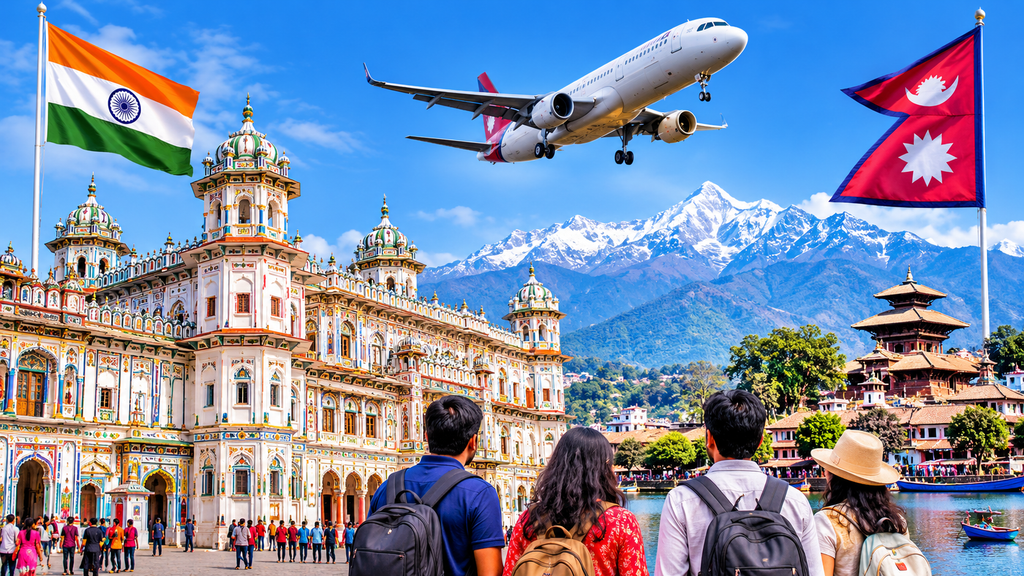
HAN believes the Prime Minister’s upcoming India visit could provide an important platform for advancing tourism cooperation as a key component of economic diplomacy. With stronger air and land connectivity, improved policy facilitation, cross-border tourism circuits and coordinated promotional efforts, Nepal could significantly expand its presence in the Indian outbound tourism market and strengthen tourism ties between the two neighbouring countries.