Nepal has collected more than Rs 334.2 million in revenue from mountaineering activities during the current fiscal year 2026/27, reflecting the continued contribution of Himalayan climbing tourism to the country’s tourism economy. The government has generated a total of Rs 334,234,226 in revenue after issuing climbing permits to 188 expedition teams for 48 different mountains. The revenue was generated through climbing permits and royalty fees paid by mountaineering teams and individual climbers seeking permission to scale Nepal’s Himalayan peaks.
The figures highlight the economic significance of mountaineering tourism, which continues to attract international expedition groups, professional climbers and adventure enthusiasts to Nepal. Among the mountains covered by the permits, Mount Manaslu generated the highest revenue, followed by Ama Dablam, Dhaulagiri I, Himlung and Makalu. The number of climbers and revenue collected from these prominent mountains demonstrates the continued demand for Nepal’s Himalayan climbing destinations, particularly during the autumn mountaineering season.
Manaslu Generates the Highest Mountaineering Revenue
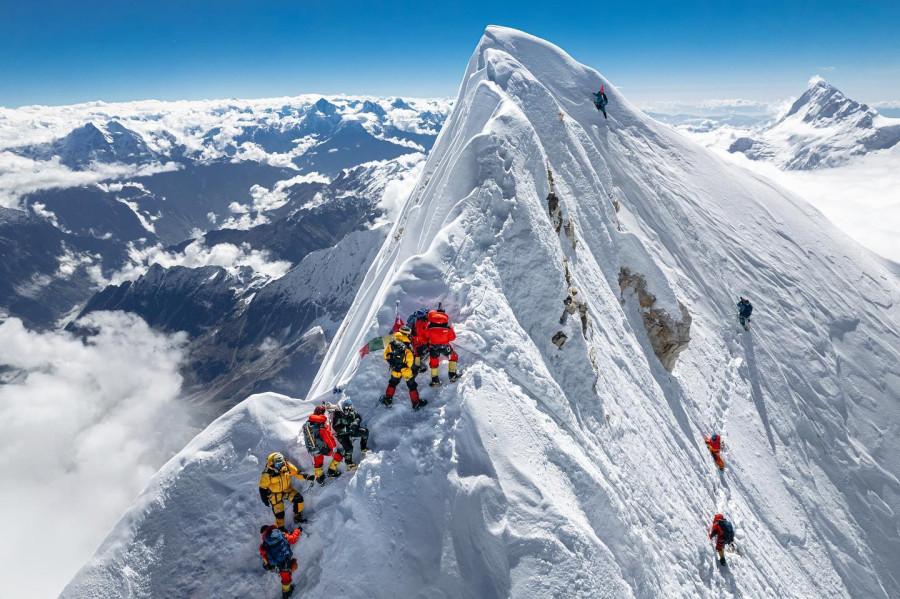
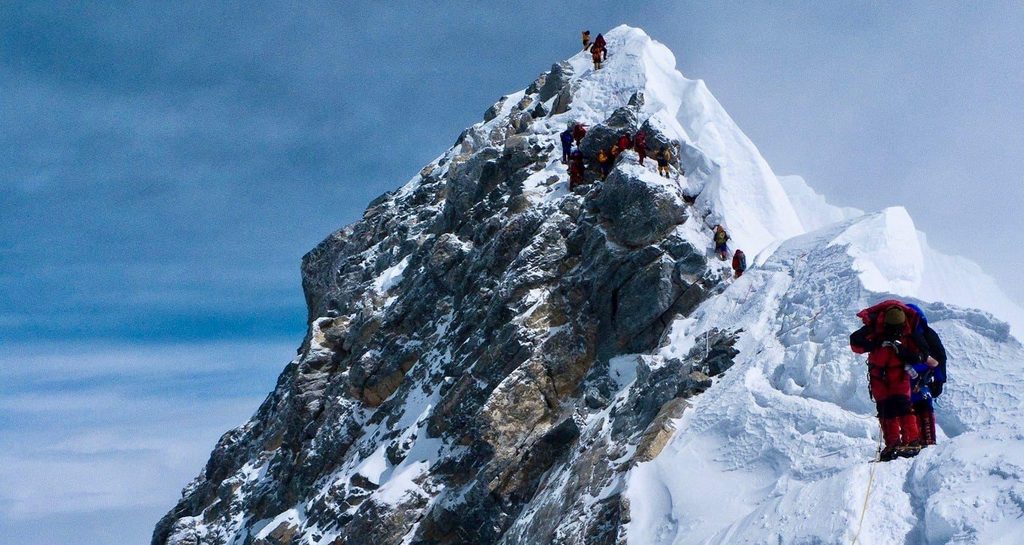
Mount Manaslu emerged as the largest contributor to mountaineering revenue during the reported period. The government collected Rs 225,857,189 in royalty revenue from 500 climbers belonging to 43 expedition teams that obtained permits to climb the mountain. The substantial revenue generated from Manaslu highlights its position as one of Nepal’s major commercial mountaineering destinations. Rising expedition activity on the mountain has continued to attract climbers from different parts of the world, contributing significantly to Nepal’s adventure tourism economy.
Located in the Mansiri Himal range of the Gorkha district, Manaslu stands at 8,163 metres and is the world’s eighth-highest mountain. Its climbing routes, high-altitude challenges and Himalayan landscape make it an important destination for international mountaineering expeditions. The revenue collected from Manaslu alone accounted for a substantial share of the government’s total mountaineering earnings during the current fiscal year, underlining the mountain’s economic importance within Nepal’s climbing tourism sector.
Ama Dablam Attracts 476 Climbers and Generates Rs 71.34 Million
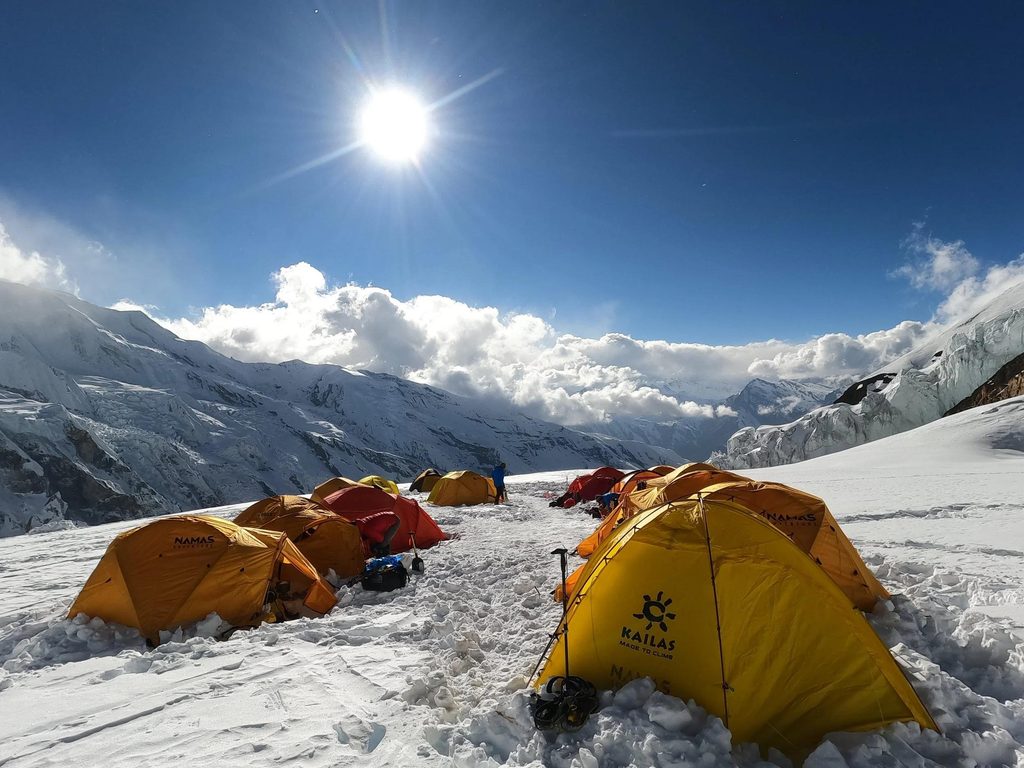
Ama Dablam was another major contributor to Nepal’s mountaineering revenue, generating Rs 71,347,100 in royalty fees from 476 climbers who received climbing permits. The mountain attracted a particularly large number of climbers, reflecting its popularity among international mountaineers visiting Nepal. Situated in the Khumbu region of eastern Nepal, Ama Dablam is widely recognized for its distinctive pyramid-shaped summit and spectacular Himalayan scenery.
Standing at approximately 6,812 metres, the mountain is considered one of the most visually striking climbing destinations in the Everest region. Its technical climbing routes and panoramic mountain views have made it a popular choice among experienced climbers seeking challenging Himalayan expeditions. The number of permits issued for Ama Dablam demonstrates the importance of Nepal’s mid-altitude and technical climbing destinations alongside its internationally renowned eight-thousand-metre peaks. Such mountains provide diverse mountaineering opportunities and contribute to the expansion of Nepal’s adventure tourism market.
Dhaulagiri I, Himlung and Makalu Also Contribute
Other prominent Himalayan peaks also generated significant revenue through climbing permits during the reporting period. Dhaulagiri I generated Rs 8,473,650 in revenue from 37 climbers who obtained permission to attempt the mountain. Standing at 8,167 metres, Dhaulagiri I is the world’s seventh-highest mountain and remains an important destination for high-altitude mountaineering expeditions. Similarly, the government collected Rs 7,974,020 from 130 climbers who received permits to climb Himlung. Located in the Nepal Himalaya near the Nepal-Tibet border, Himlung has gained recognition among mountaineers seeking high-altitude climbing experiences.
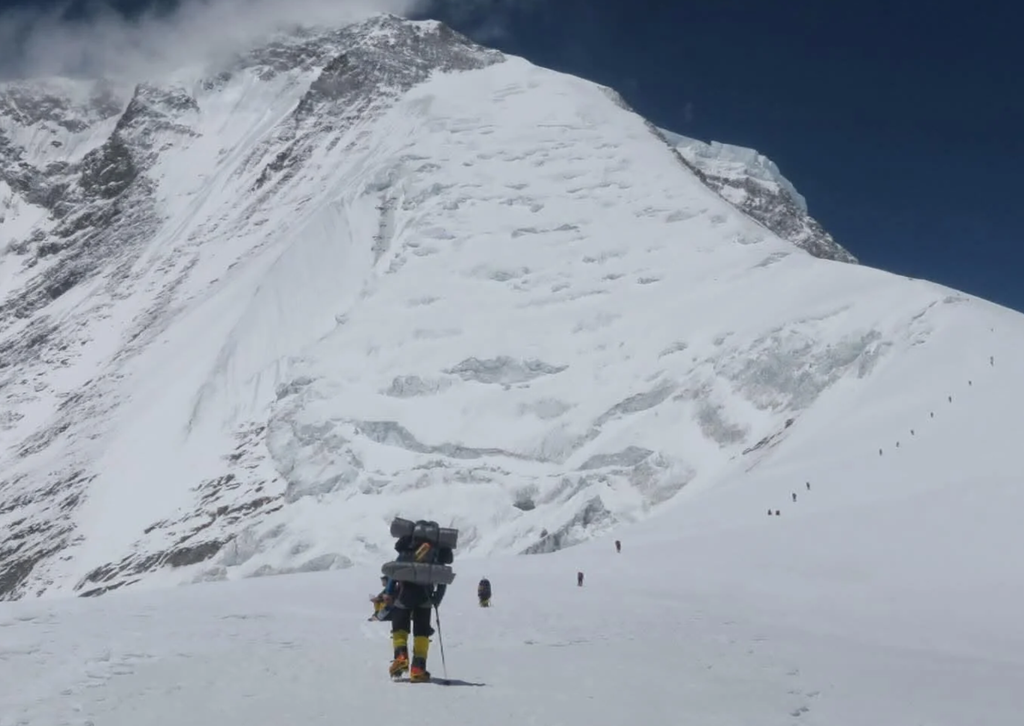
Makalu also contributed to the government’s mountaineering revenue, with three climbers generating Rs 688,050 in royalty fees. Standing at 8,485 metres, Makalu is the world’s fifth-highest mountain and is recognized for its demanding climbing routes and challenging terrain. These figures illustrate the range of climbing opportunities available in Nepal, from technically demanding eight-thousand-metre expeditions to other high-altitude Himalayan destinations. The diversity of these mountains continues to strengthen Nepal’s position as an international centre for mountaineering and adventure tourism.
Mountaineering Continues to Strengthen Nepal’s Tourism Economy
The collection of Rs 334.2 million in mountaineering revenue from 188 expedition teams and 48 mountains highlights the economic importance of Nepal’s Himalayan tourism sector. Beyond direct royalty payments, mountaineering activities also support a wider network of tourism-related businesses and employment opportunities across mountain destinations. International climbing expeditions generally require a range of services, including expedition logistics, trekking arrangements, accommodation, transportation, food supplies, climbing equipment and professional support. These activities create business opportunities for trekking and expedition agencies, mountain guides, climbing support staff, accommodation providers and local suppliers.
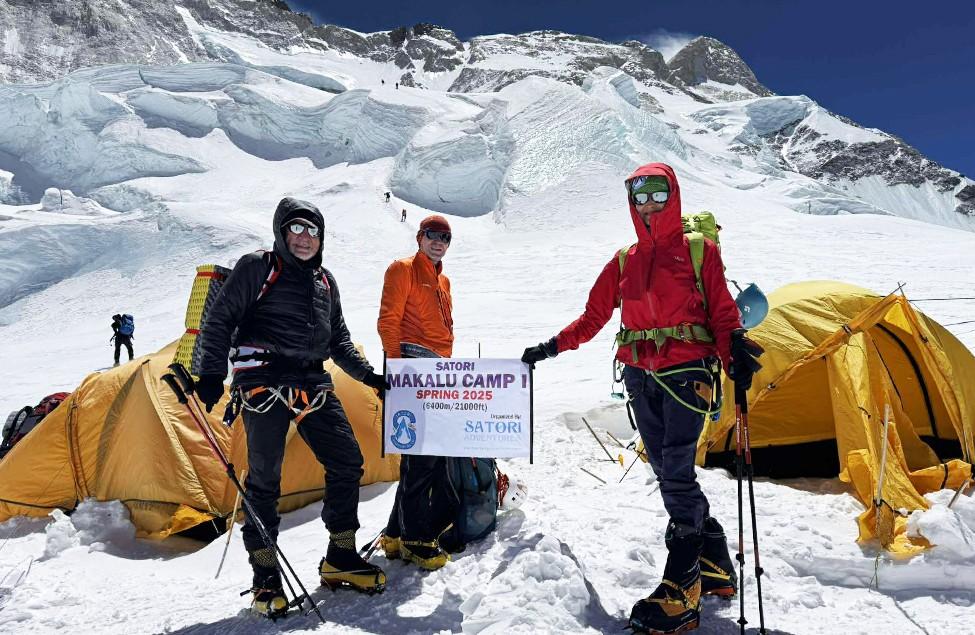
The mountaineering industry also contributes to the promotion of Nepal as a destination for adventure tourism in international markets. The country’s concentration of high Himalayan peaks, diverse climbing routes and established expedition services provides a competitive advantage in attracting mountaineers from around the world. The latest revenue figures further demonstrate the importance of maintaining effective mountaineering services, improving expedition infrastructure and strengthening destination management to support the long-term development of Himalayan tourism.
As Nepal continues to attract international climbers to its mountain destinations, mountaineering remains one of the country’s distinctive tourism products and an important source of government revenue. The contribution of popular peaks such as Manaslu, Ama Dablam, Dhaulagiri I, Himlung and Makalu reflects the continuing role of Himalayan climbing in supporting Nepal’s tourism industry and international adventure tourism profile.
Source-RSS