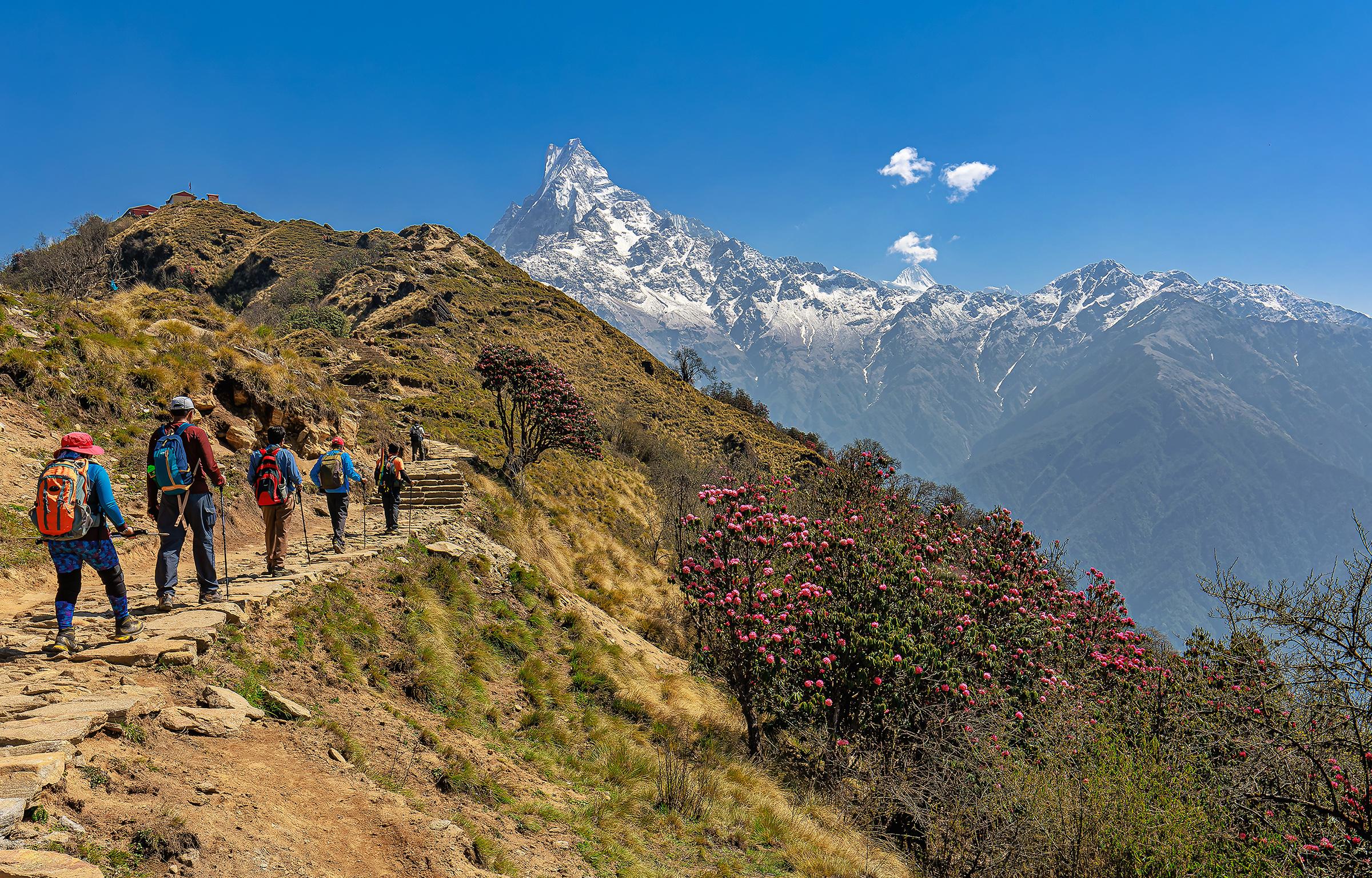
Annapurna Conservation Area recorded 123,714 foreign tourist arrivals from Shrawan to Kartik 2026, marking a significant increase compared to the same period last year and reflecting the region’s continued popularity among trekking enthusiasts and nature lovers. The Annapurna Conservation Area (ACA) welcomed 123,714 foreign tourists during the first four months of the current fiscal year, from Shrawan to Kartik, according to the Annapurna Conservation Area Project (ACAP). The number represents an increase of 29,110 visitors compared to the corresponding period last year, highlighting the growing appeal of one of Nepal’s most renowned trekking and nature tourism destinations.
The region, known for its spectacular Himalayan landscapes, diverse ecosystems, traditional settlements, cultural heritage, and world-famous trekking routes, continues to attract visitors from South Asia and other parts of the world. The steady growth in tourist arrivals reflects the popularity of the Annapurna region as a destination for adventure tourism, trekking, cultural exploration, and nature-based travel. According to the conservation area’s project office, tourist arrivals increased progressively during the reporting period, with the peak season months of October and November contributing significantly to the overall visitor numbers.
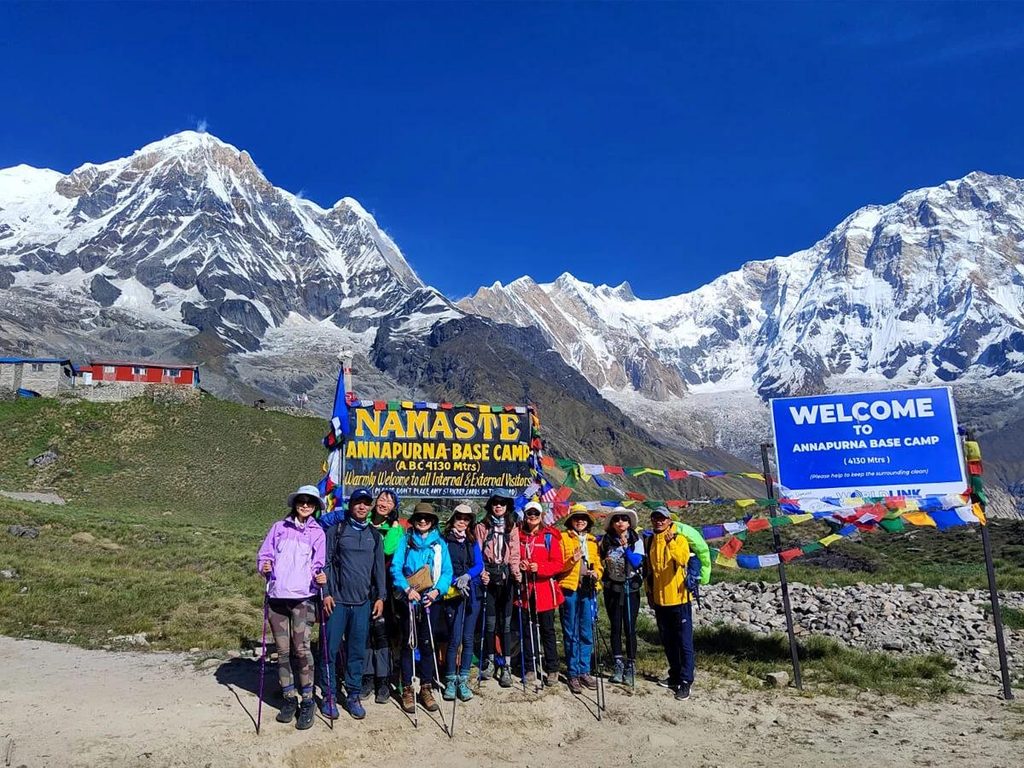
Annapurna Records Strong Tourist Arrivals During Peak Season
The Annapurna Conservation Area recorded 26,591 foreign tourists in Shrawan, 17,913 in Bhadra, 32,936 in Ashoj, and 46,247 in Kartik. The highest number of visitors was recorded in Kartik, reflecting the region’s strong appeal during the autumn trekking season, when favourable weather conditions and clear mountain views attract trekkers and travellers to Nepal’s Himalayan destinations. Dr. Rabin Kadariya, chief of the Annapurna Conservation Area Project, said that 52,886 visitors during the four-month period were from South Asian countries, while the remaining tourists came from other international markets.
He noted that tourist arrivals generally increase during Ashoj and Kartik, which are among the major tourism seasons in the Annapurna region. The autumn season is particularly popular among trekkers due to relatively stable weather, favourable trail conditions, and clearer views of the surrounding mountains. The growing number of visitors during this period also highlights the importance of seasonal tourism in supporting local communities, tourism businesses, accommodation providers, guides, porters, and other service sectors operating throughout the region.
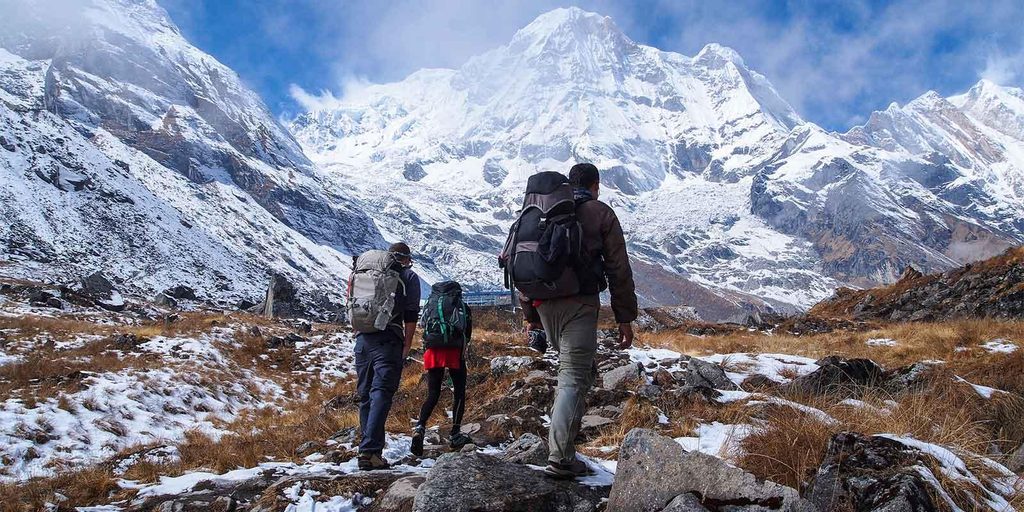
Annapurna Region Remains a Major Trekking Destination
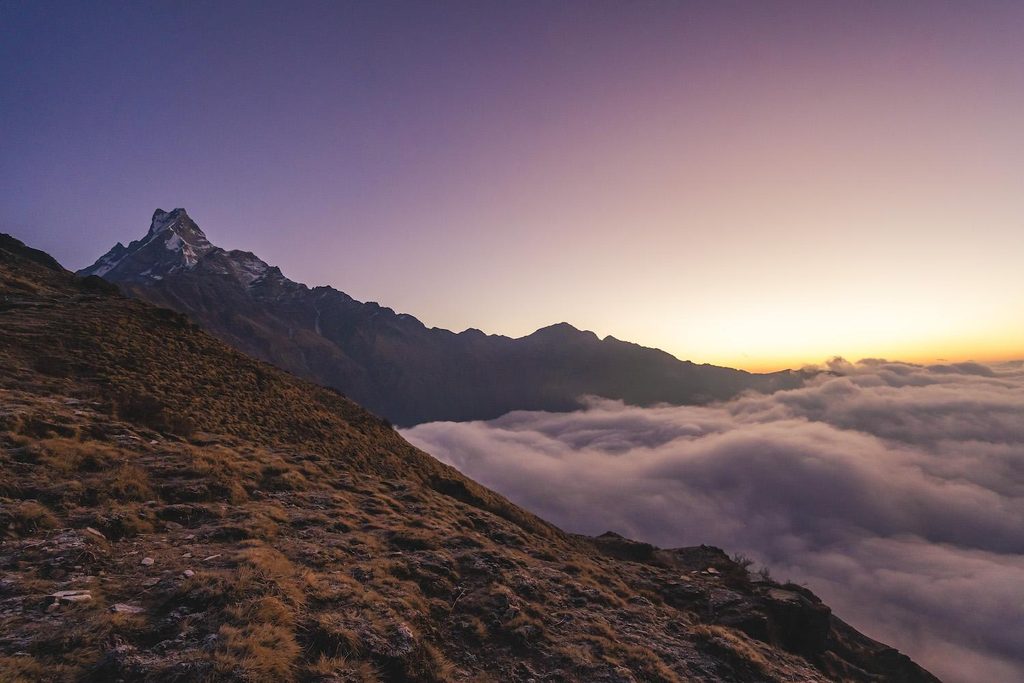
The Annapurna region continues to be one of Nepal’s most popular destinations for trekking and adventure tourism, offering a wide range of travel experiences, from short hiking trips to challenging high-altitude trekking adventures. Its diverse geographical landscape includes lush forests, traditional villages, alpine meadows, glacial lakes, mountain passes, and dramatic Himalayan scenery. Major tourism destinations within the conservation area include Annapurna Base Camp, Mardi Himal, Ghandruk, Tilicho Lake in Manang, Thorong La Pass, Upper Mustang, and Ghorepani in Myagdi. These destinations attract domestic and international visitors seeking mountain experiences, cultural encounters, scenic landscapes, and adventure activities.
The Annapurna Circuit and other trekking routes within the region are particularly popular among international trekkers, offering opportunities to explore diverse landscapes and experience the traditional lifestyles of Himalayan communities. The region’s combination of natural beauty, cultural diversity, and trekking infrastructure has helped establish it as one of Nepal’s most recognised tourism destinations. In addition to trekking, the Annapurna region offers opportunities for nature tourism, photography, cultural tourism, village tourism, and exploration of its unique biodiversity and traditional Himalayan settlements.
Diverse Landscapes and Cultural Heritage Strengthen Tourism Appeal
Covering an area of approximately 7,600 square kilometres, the Annapurna Conservation Area is recognised for its rich biodiversity, diverse ecosystems, natural beauty, and cultural heritage. The conservation area encompasses a wide range of geographical zones, from subtropical forests and terraced agricultural landscapes to high-altitude mountain environments. The region is also home to diverse ethnic communities whose traditions, lifestyles, architecture, festivals, and hospitality contribute significantly to its tourism appeal. Visitors travelling through the Annapurna region can experience local cultures and traditional settlements while exploring some of Nepal’s most scenic trekking routes.
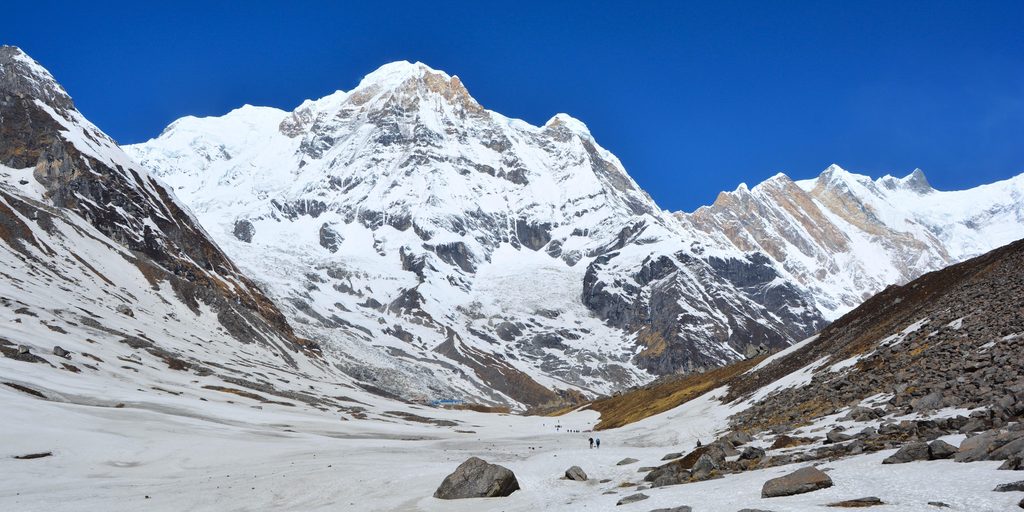
The conservation area extends across 87 wards of 15 local governments in Kaski, Lamjung, Manang, Myagdi, and Mustang districts. Its extensive geographical coverage provides visitors with numerous trekking options, ranging from short and moderate hikes to longer and more challenging high-altitude journeys. Tourists can begin their trekking journeys from different entry points across Kaski, Lamjung, Manang, and Myagdi, allowing travellers to choose routes based on their time, interests, fitness levels, and trekking experience.
Growing Tourism Creates Opportunities for Local Communities
The increasing number of foreign tourists visiting the Annapurna Conservation Area highlights the region’s continued contribution to Nepal’s tourism industry and local economic development. Tourism activities across the conservation area provide livelihood opportunities for local communities through hotels, lodges, homestays, restaurants, trekking agencies, guiding services, transportation, handicrafts, and other tourism-related businesses.
The region’s established trekking routes, diverse destinations, and cultural attractions continue to make it a preferred choice for travellers seeking authentic Himalayan experiences. With its combination of natural landscapes, mountain adventure, biodiversity, and cultural richness, the Annapurna Conservation Area remains a major contributor to Nepal’s trekking tourism sector. The latest tourist arrival figures further demonstrate the strong demand for Nepal’s mountain destinations and the Annapurna region’s enduring position as one of the country’s leading tourism attractions.
Source-RSS