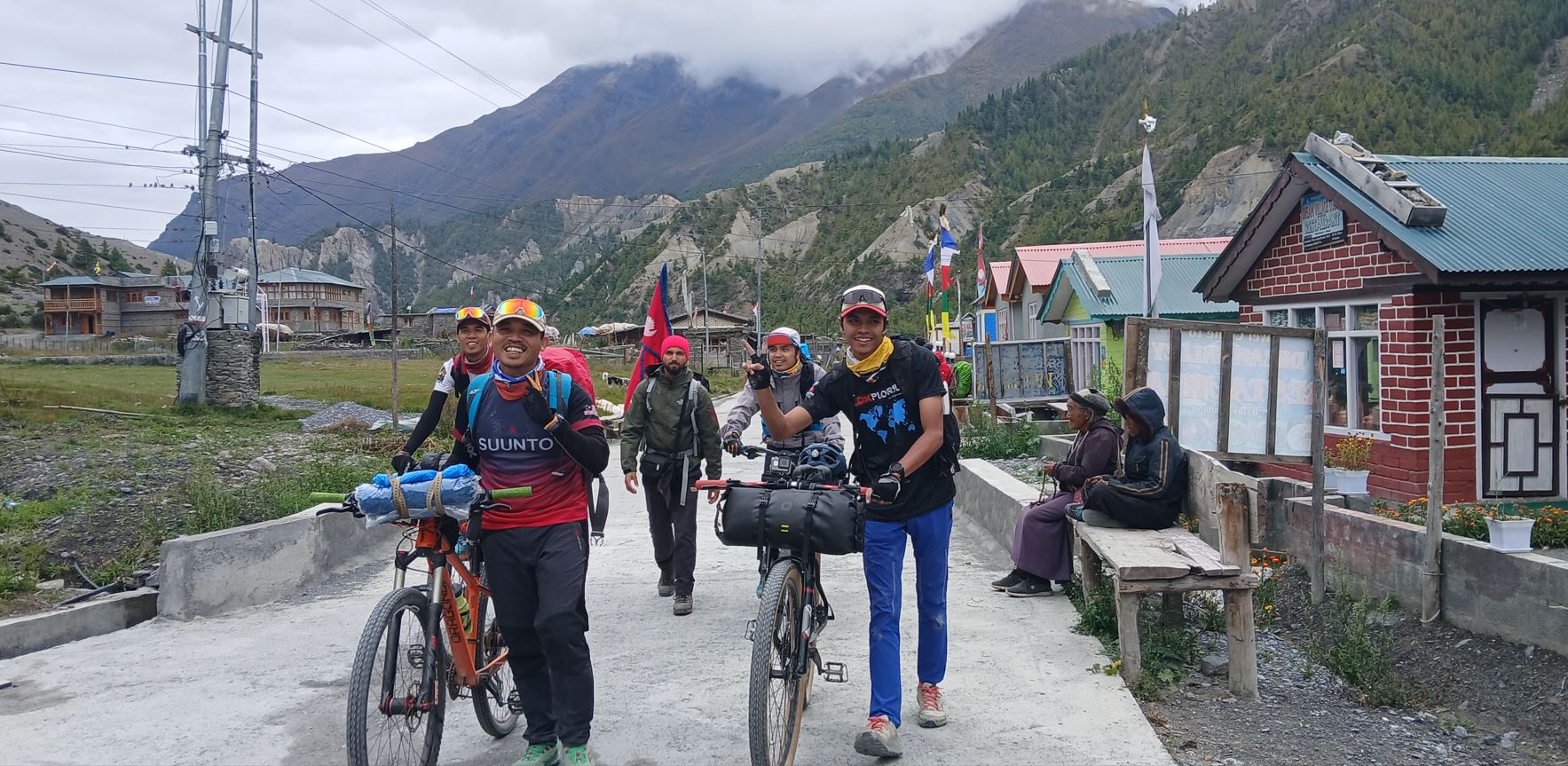
Manang recorded a total of 8,144 tourist arrivals during Kartik 2083, reflecting continued interest in the district’s natural landscapes, cultural heritage and trekking routes within the Annapurna Conservation Area. The latest visitor figures indicate that Manang continues to attract a substantial number of international travelers during the autumn tourism season, with visitors from both SAARC countries and other parts of the world contributing to the overall tourist flow.
Foreign Tourists Continue to Dominate Arrivals
Of the total 8,144 visitors recorded during the month, 1,011 were tourists from SAARC countries, while 7,133 were visitors from other foreign countries. The figures indicate that travelers from outside the SAARC region accounted for the overwhelming majority of international visitors to Manang during the period.
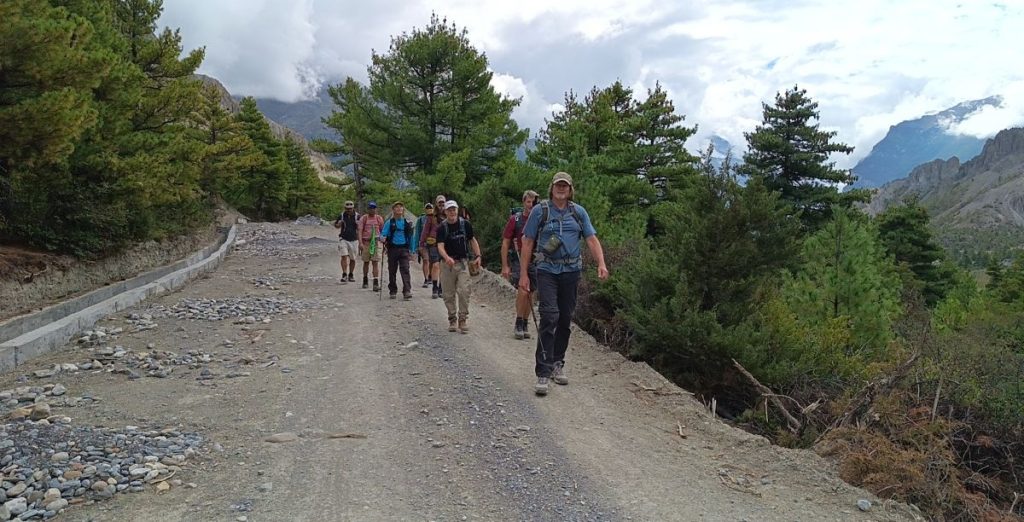
Among the 1,011 SAARC visitors, 800 were male and 211 were female. Meanwhile, the 7,133 visitors from other foreign countries included 4,078 male and 3,053 female tourists, while two visitors were recorded under the other gender category. The figures demonstrate a diverse international visitor base for the popular mountain destination.
India, France and Germany Lead Tourist Arrivals
Among the international markets recorded in Manang during Kartik, India ranked first with 1,005 visitors, followed by France with 715 tourists and Germany with 673 visitors. The strong presence of Indian tourists highlights the importance of the South Asian market for Manang and the wider Annapurna region.
Meanwhile, the substantial number of visitors from France and Germany demonstrates the continued popularity of Nepal’s mountain destinations among European travelers. The diversity of visitor markets also reflects the international appeal of the Annapurna region, which attracts tourists seeking trekking, adventure, nature, mountain landscapes and cultural experiences.
Annapurna Circuit Remains a Major Attraction
The continued arrival of tourists in Manang during Kartik highlights the enduring popularity of the Annapurna Circuit, one of Nepal’s best-known trekking routes. The route passes through a wide range of landscapes, from lower valleys and traditional settlements to high-altitude mountain terrain, offering trekkers a combination of natural and cultural experiences.
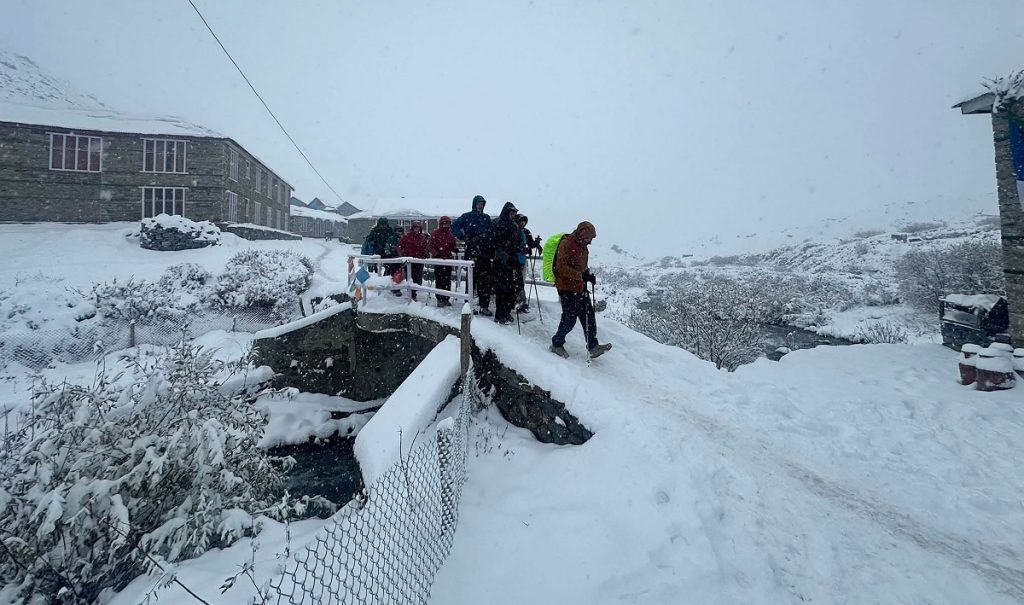
Manang serves as one of the most important destinations along the Annapurna Circuit, with its distinctive Himalayan landscapes, traditional villages, Buddhist heritage and proximity to high mountain passes contributing to its popularity among international trekkers. The region’s dramatic scenery, including views of the Annapurna and surrounding Himalayan peaks, further strengthens its position as a major trekking destination.
Tourism Supports Local Economy
The steady flow of visitors is also important for the local economy of Manang, where tourism provides livelihoods for communities involved in accommodation, food services, transportation, trekking, guiding, handicrafts and other tourism-related activities.
Increased visitor numbers during the peak trekking season can generate economic opportunities for local businesses while supporting employment and income generation in mountain communities. The continued movement of international tourists also creates demand for locally produced goods and services, helping distribute tourism benefits across different sectors of the local economy.
Autumn Season Draws International Visitors
Kartik falls within Nepal’s traditionally strong autumn tourism period, when favorable weather and relatively clear mountain views attract trekkers and adventure travelers to the Himalayan region. The 8,144 arrivals recorded in Manang during the month indicate that the destination continues to benefit from this seasonal demand. The visitor figures also underscore the importance of maintaining trekking infrastructure, safety services, accommodation facilities and transportation connectivity to support the growing number of travelers visiting the region.
Manang’s Natural and Cultural Appeal Continues
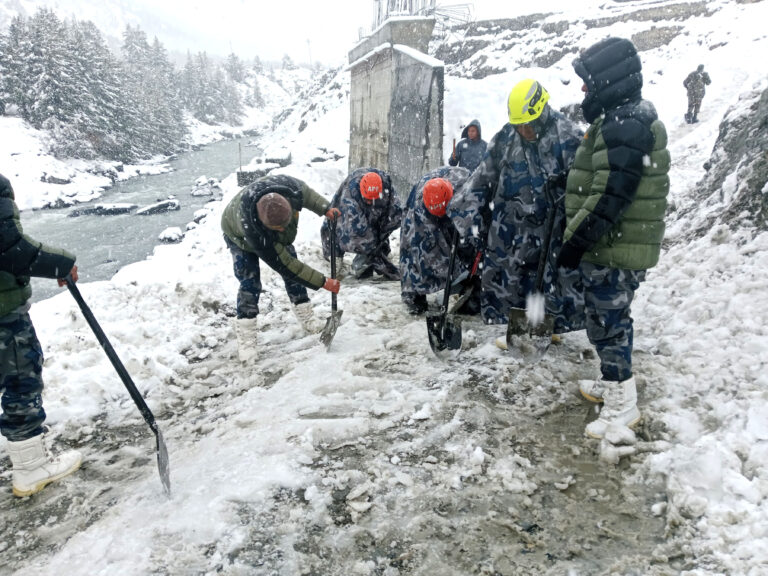
Beyond trekking, Manang offers visitors a combination of mountain scenery, high-altitude landscapes, traditional Himalayan settlements and cultural heritage. The region’s distinctive local traditions and Buddhist cultural practices add another dimension to the trekking experience and contribute to its appeal among international travelers. The continued flow of visitors from diverse countries suggests that Manang’s tourism appeal extends beyond a single source market.
The presence of tourists from India, France, Germany and other international destinations demonstrates the destination’s broad appeal in the global adventure and nature tourism market. With 8,144 tourist arrivals recorded in Kartik 2083, Manang continues to demonstrate its importance within Nepal’s mountain tourism landscape. The sustained visitor flow to the Annapurna Conservation Area highlights the enduring international appeal of the Annapurna Circuit and Manang’s combination of spectacular Himalayan scenery, cultural heritage and adventure opportunities.