

Nepal has achieved another remarkable milestone in wildlife conservation, recording a historic 429 wild tigers in its 2026 national tiger census, up from 355 in 2022. The increase of 74 tigers highlights the country’s continued progress in protecting endangered wildlife, restoring natural habitats and strengthening conservation efforts across its protected areas. The latest findings further reinforce Nepal’s international reputation as one of the world’s leading countries in tiger conservation.
The achievement also creates fresh opportunities to promote Nepal as a premier destination for wildlife tourism, particularly through its renowned national parks, jungle safaris and nature-based travel experiences. The Department of National Parks and Wildlife Conservation (DNPWC) announced the latest census results on July 29, 2026, coinciding with Global Tiger Day. The findings reflect years of coordinated efforts involving government agencies, conservation organisations, local communities and other stakeholders to protect the country’s iconic Bengal tiger population.
Nepal Strengthens Its Global Leadership in Tiger Conservation
Nepal’s achievement represents a significant conservation success story at the international level. The country became the first in the world to achieve the global TX2 target of doubling its wild tiger population ahead of the 2022 deadline. The TX2 initiative was established during the 2010 International Tiger Summit in St. Petersburg, Russia, where tiger-range countries committed to doubling the global wild tiger population by 2022. Nepal successfully exceeded this target, increasing its tiger population from 121 in 2009 to 355 in 2022.
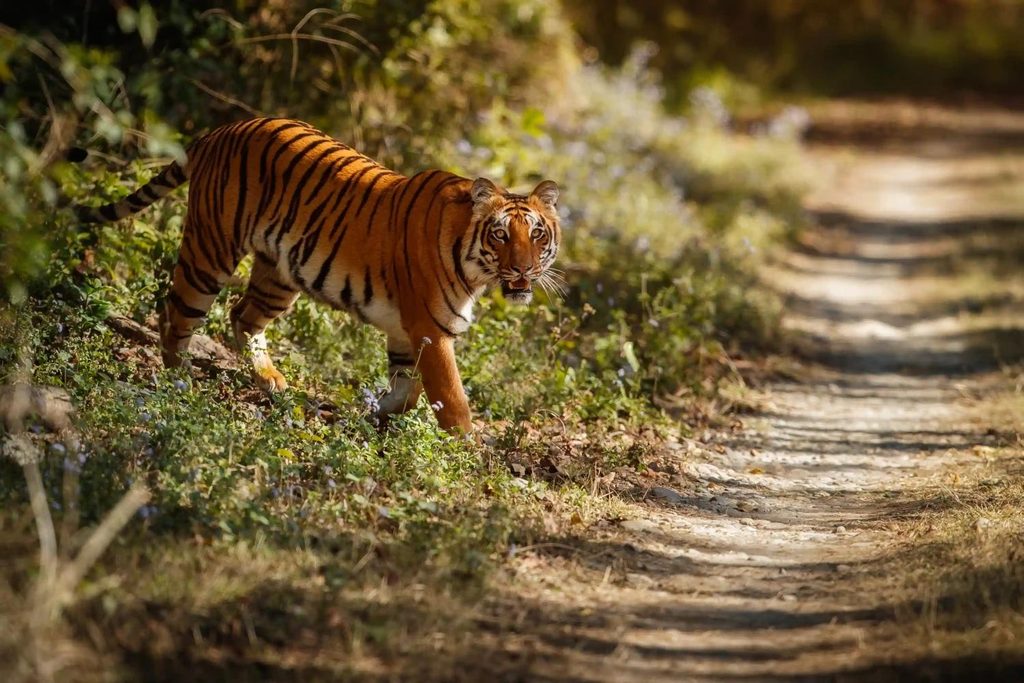
The latest census demonstrates that Nepal has continued its conservation progress beyond the initial global target. The population has now reached 429, representing more than a threefold increase compared with the 2009 baseline. The country’s consistent progress reflects the importance of long-term conservation policies, scientific monitoring, anti-poaching initiatives, habitat restoration and collaboration among government institutions and conservation partners.
Chitwan Records the Highest Tiger Population
According to the 2026 national census, Nepal’s five major tiger-bearing protected areas recorded varying population figures, with Chitwan National Park maintaining its position as the country’s largest tiger habitat. Chitwan recorded the highest population with 145 tigers, followed by Bardiya National Park with 112, Parsa National Park with 71, Banke National Park with 51 and Shuklaphanta National Park with 50. The comparison with the 2022 census shows encouraging growth across four of the five protected areas. Parsa recorded an increase from 41 to 71 tigers, while Banke’s population increased from 25 to 51. Shuklaphanta also recorded growth from 36 to 50, and Chitwan increased from 128 to 145.
Bardiya recorded 112 tigers, compared with 125 in the previous census, highlighting the importance of continued monitoring and habitat management across all protected areas. The latest survey was conducted between December 31, 2025, and April 23, 2026, using camera traps to monitor tiger populations across their natural habitats. The census was led by the Department of National Parks and Wildlife Conservation in coordination with relevant government agencies and conservation partners.

National Parks Strengthen Nepal’s Wildlife Tourism Potential
Nepal’s growing tiger population further enhances the country’s potential as an international wildlife tourism destination. Its national parks offer visitors opportunities to experience diverse wildlife, natural landscapes, forest ecosystems and guided jungle activities, including opportunities to observe tigers in their natural habitats. Chitwan National Park and Bardiya National Park are among Nepal’s prominent destinations for wildlife experiences, attracting domestic and international visitors interested in tiger sightings, jungle safaris, birdwatching, tiger photography and wildlife observation.
Chitwan is particularly recognised for its rich biodiversity and tiger habitats, including opportunities to explore the natural habitats of Bengal tigers, one-horned rhinoceroses, elephants, crocodiles and numerous bird species. Similarly, Bardiya National Park offers visitors an opportunity to explore relatively undisturbed natural landscapes and experience tiger sightings and other wildlife activities in Nepal’s western Terai region. Parsa, Banke and Shuklaphanta also contribute to the country’s broader network of protected areas, tiger habitats and nature-based tourism destinations.
The increasing number of tigers strengthens Nepal’s conservation image internationally and provides an opportunity to attract more tiger enthusiasts, wildlife researchers, photographers and nature travellers. Promoting responsible tiger and wildlife tourism can also help connect tiger conservation with local economic opportunities by supporting tourism businesses, guides, accommodation providers, transport operators and communities living around protected areas.

Continued Conservation Efforts Remain Essential
The growth in Nepal’s tiger population highlights the importance of maintaining effective conservation programmes while ensuring the long-term protection of natural habitats. Initiatives such as controlling illegal wildlife trade, protecting forest corridors, improving prey availability, restoring grasslands and strengthening anti-poaching operations remain essential for sustaining the country’s conservation achievements. As tiger populations grow, effective habitat management and cooperation with communities living near protected areas are also increasingly important.
Responsible tourism practices, public awareness and community participation can contribute to reducing human-wildlife conflict and supporting sustainable conservation. Nepal’s latest achievement demonstrates how consistent conservation efforts and collaboration can produce significant results for endangered wildlife. With 429 wild tigers recorded in 2026, the country has further strengthened its position on the global conservation map while enhancing the potential of its national parks as internationally recognised wildlife tourism destinations. The achievement not only represents a milestone for tiger conservation but also reinforces Nepal’s commitment to protecting biodiversity and promoting sustainable nature-based tourism for future generations.