The Annapurna Conservation Area Project (ACAP) collected a record Rs. 67.76 crore in tourist entry fees during the fiscal year 2025/26 (FY 2082/83), driven by a significant rise in foreign tourist arrivals to the renowned trekking region. According to ACAP Project Chief Dr. Rabin Kadariya, a total of 508,476 foreign tourists visited the Annapurna Conservation Area during the fiscal year. Of them, 384,145 were from South Asian countries, while 124,331 were from other countries.
Indian Tourists Account for Majority of Arrivals
Indian visitors accounted for the largest share of foreign tourist arrivals, with 375,797 Indian tourists entering the conservation area during the year. ACAP charges an entry fee of Rs. 1,000, including VAT, for visitors from South Asian countries and Rs. 3,000, including VAT, for tourists from other countries. Dr. Kadariya attributed the rise in revenue primarily to the substantial increase in Indian tourist arrivals.

“The increase in Indian tourist arrivals contributed significantly to the rise in revenue from tourist entry fees,” he said. Both tourist arrivals and entry-fee revenue reached their highest levels recorded so far during the fiscal year. ACAP had collected Rs. 46.49 crore in entry fees in FY 2081/82, while the revenue stood at Rs. 38.95 crore in FY 2080/81.
Foreign Tourists from 169 Countries
Data from the ACAP office shows that tourists from 169 countries, including India, visited the Annapurna region during FY 2082/83. The number of foreign visitors was nearly twice that of the previous fiscal year. In FY 2081/82, the Annapurna region received 278,113 foreign tourists. The sharp growth reflects the continued recovery and expansion of international tourism in one of Nepal’s most prominent trekking destinations.
Revenue Supports Conservation and Tourism Development
A significant portion of the revenue generated through tourist entry fees is used to finance conservation activities and tourism development programmes within the Annapurna Conservation Area. According to Dr. Kadariya, the government does not provide a separate annual budget for ACAP. The project finances its office operations, human resources and annual programmes largely through the income generated within the conservation area.
Budget and programmes are implemented at the local level through conservation area management committees. ACAP has been carrying out activities including trail construction and maintenance, waste management, small-scale irrigation, drinking water projects, livelihood and income-generation programmes, and conservation education. The tourist entry fee remains with ACAP, while revenue generated from the use of natural resources, including medicinal herbs, is deposited as government revenue.
Revenue Also Generated from Restricted Areas
Additional government revenue is generated through fees associated with hydropower projects operating within the conservation area, mountaineering and entry into restricted areas. During FY 2082/83, the government collected Rs. 21.70 crore in entry fees from foreign tourists visiting the restricted areas of Upper Mustang and Nar Phu in Manang. The restricted-area entry fees are collected through the Department of Immigration.

Annapurna Remains a Major Trekking Destination
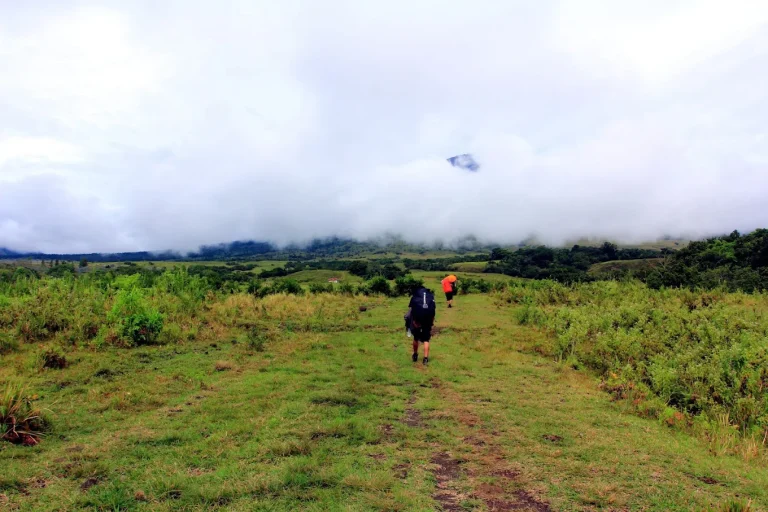
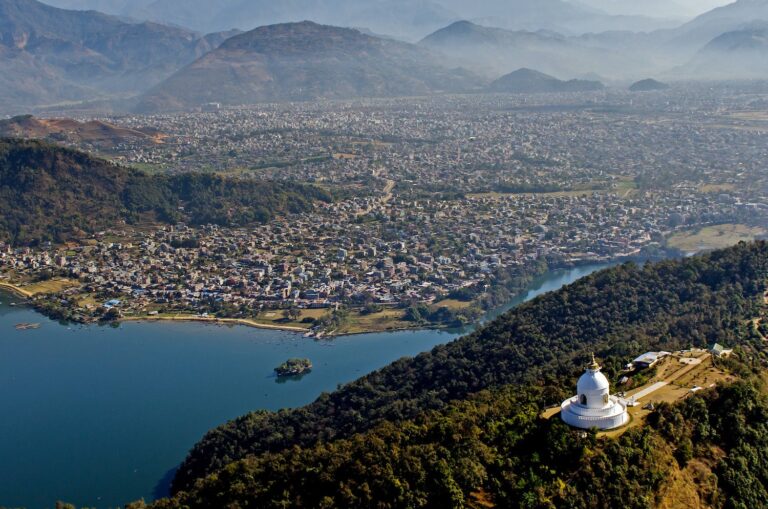
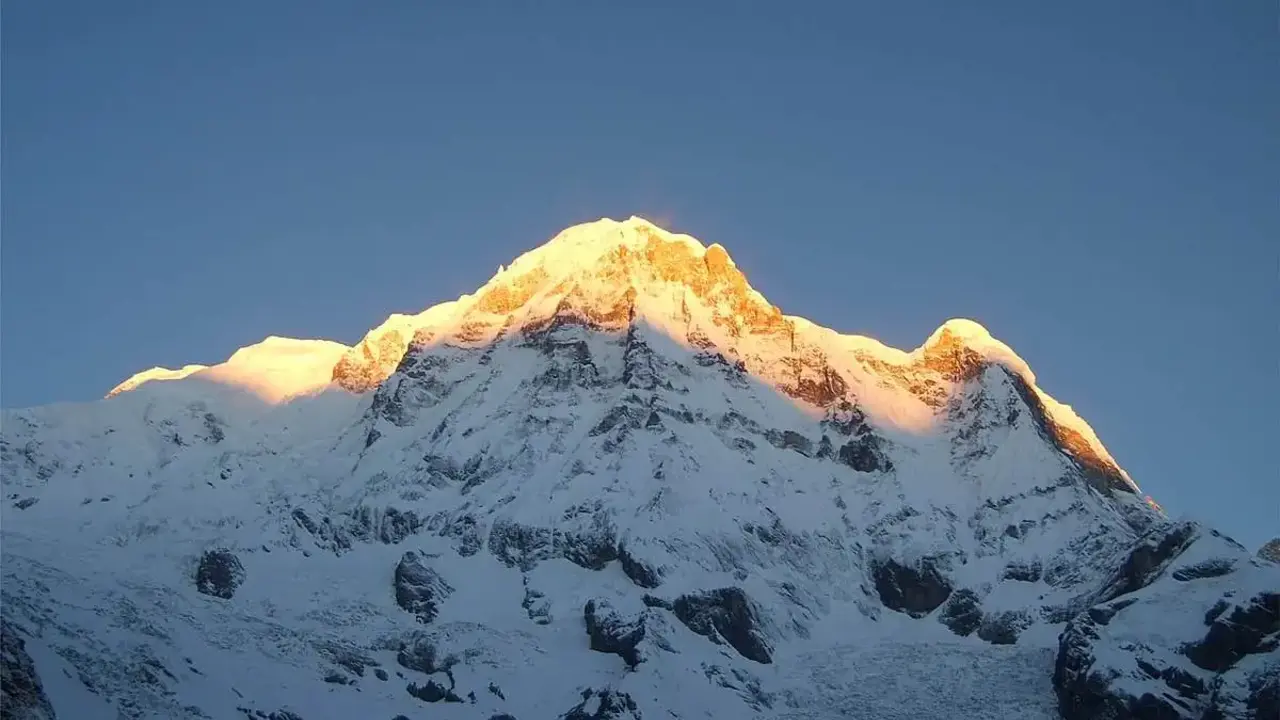
The Annapurna region is one of Nepal’s most popular destinations for trekking, with the main trekking seasons falling around October–November and March–April. Although visitor numbers generally decline during the monsoon and winter seasons, the region continues to attract domestic and international tourists throughout the year. Spread across approximately 7,600 square kilometres, the Annapurna Conservation Area covers 87 wards of 15 local governments across Kaski, Lamjung, Manang, Myagdi and Mustang districts.
Road Travel Popular Among Indian Visitors
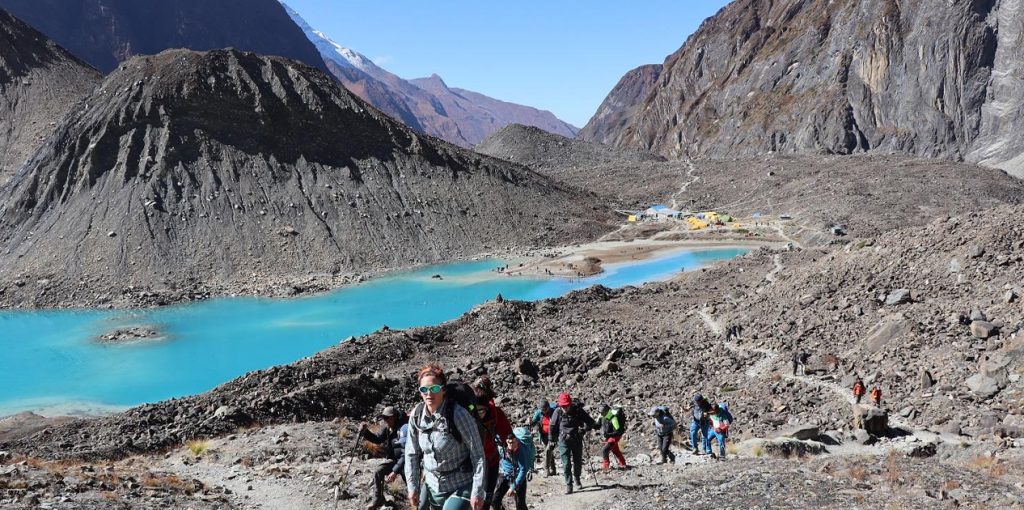
A large proportion of Indian tourists visiting destinations such as Muktinath travel by road, while visitors from other countries tend to prefer trekking routes. Major destinations within and around the Annapurna region include Annapurna Base Camp, Mardi Himal, Sikles, Lwang and Ghandruk in Kaski; Tilicho Lake and Thorong La in Manang; Upper Mustang and Muktinath; and Ghorepani and Poon Hill in Myagdi. These destinations attract hundreds of thousands of domestic and international visitors each year, supporting the region’s position as a key pillar of Nepal’s trekking and nature-based tourism sector.