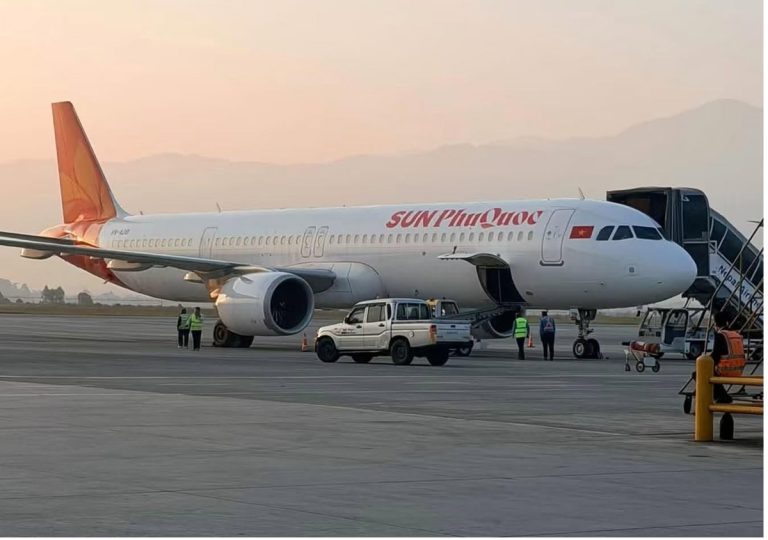
Air travel along the Pokhara–Jomsom route has witnessed a steady decline in passenger numbers, even during the peak tourist season, according to recent data from the Jomsom Civil Aviation Office. Officials say the downward trend reflects changing travel patterns, rising operational costs, and improved road connectivity in the region.
Significant Fall Compared to Previous Fiscal Year
According to Chief Deepak Pokharel, a total of 26,642 passengers used the air service between Pokhara and Jomsom during the fiscal year 2081/82. Of these, 14,172 passengers traveled from Pokhara to Jomsom, while 12,470 flew in the opposite direction. In contrast, during the first nine months of the current fiscal year 2082/83 (Shrawan to Chaitra), only 7,586 passengers used the route, indicating a sharp drop in demand.

Foreign Tourists Still Dominate Air Travel
Out of the total passengers recorded this fiscal year, 6,105 were foreign nationals, while 1,482 were domestic travelers. Despite the overall decline, foreign tourists continue to make up the majority of air passengers on the route. Pokharel noted that 3,079 passengers flew from Pokhara to Jomsom, while 4,539 traveled from Jomsom to Pokhara during the same period.
Flight Frequency Sees Sharp Reduction
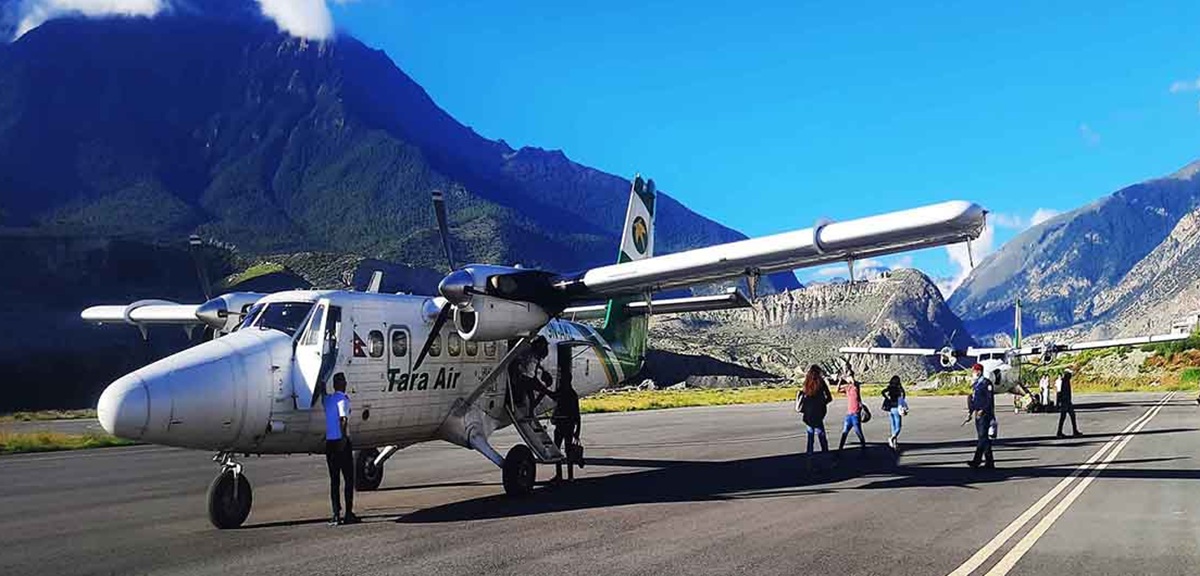
Flight operations have also declined significantly. During the previous fiscal year, airlines operated a total of 2,406 flights on the Pokhara–Jomsom route using small twin-engine aircraft. However, in the current fiscal year, only 970 flights have been recorded in the first nine months, representing just 40.31 percent of last year’s total. Data further shows that 19,056 fewer passengers traveled by air compared to the same period last year.
Airlines Report Declining Demand
According to Sujan Lalchan, both flight frequency and passenger demand have been declining year by year. “In the past, there used to be up to 25 flights daily on the Pokhara–Jomsom route. Now, even 10 flights are difficult to operate regularly,” he said. Lalchan attributed the decline partly to reduced foreign tourist arrivals due to geopolitical tensions in the Middle East, which have affected global travel patterns.
Rising Costs Impact Travel Decisions
Another major factor contributing to the decline is the increase in airfares. Lalchan explained that rising aviation fuel prices, influenced by global conflicts, have pushed ticket prices higher, discouraging travelers from choosing air transport. The higher cost of flying has made alternative modes of transportation more attractive, especially for budget-conscious tourists.
Road Connectivity Offers Alternative Travel Option
The improvement of the Beni–Jomsom–Korala road, a national pride project connecting north and south Nepal, has also played a significant role in reducing reliance on air travel. With road conditions becoming more accessible and reliable, many travelers now prefer overland journeys, which are often more economical and flexible compared to flights.
Limited but Regular Flight Operations Continue
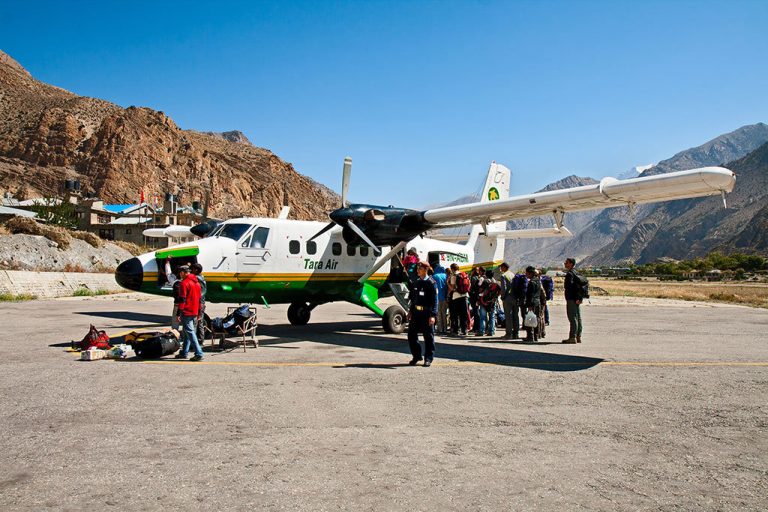
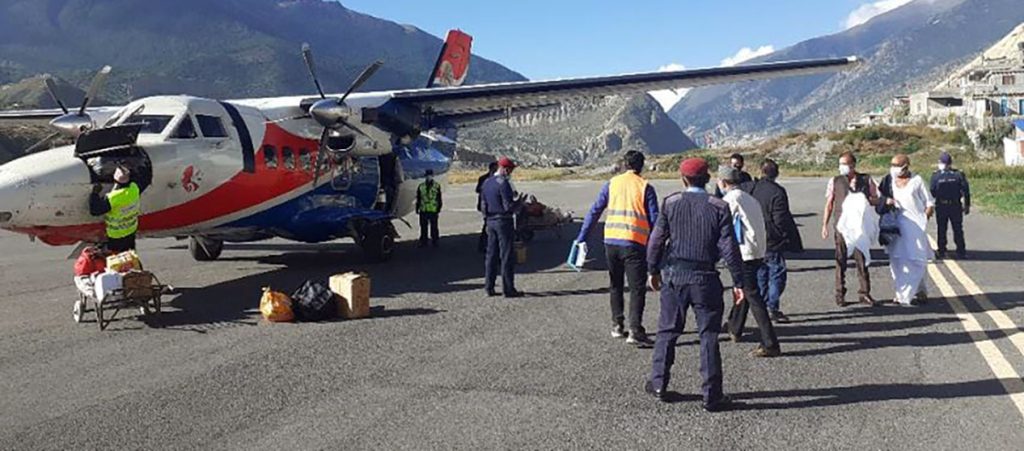
Currently, two airlines, Tara Air and Summit Air, operate regular flights to and from Jomsom, with around 10 scheduled flights daily under normal conditions. Additional flights require special charter permissions from the Civil Aviation Authority of Nepal.

Helicopter Services Still Active
Despite the decline in regular air traffic, helicopter charter services continue to operate, particularly targeting pilgrims and tourists visiting Muktinath Temple and Upper Mustang. These services, often originating from Pokhara and Kathmandu, provide an alternative for travelers seeking faster access to remote destinations.
Aviation officials believe that unless external factors such as fuel prices and global travel trends stabilize, the decline in air passengers on the Pokhara–Jomsom route may continue. While improved infrastructure has enhanced accessibility to Mustang by road, stakeholders stress the importance of balancing different modes of transport to sustain tourism growth in the region. The current trend highlights a shift in travel behavior, signaling the need for adaptive strategies within Nepal’s domestic aviation sector.