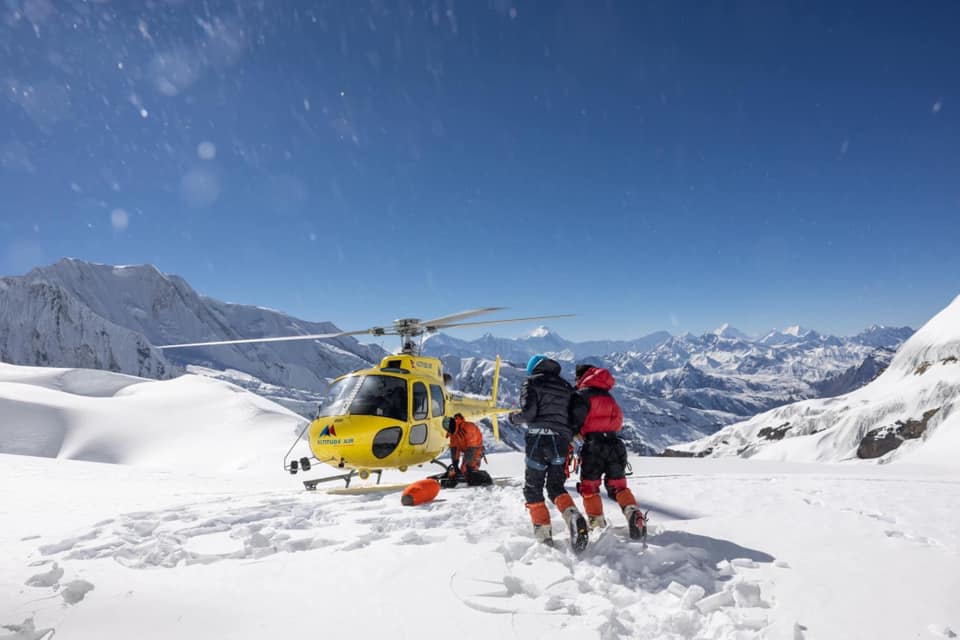
Altitude Air Private Limited (AAPL), a domestic helicopter operator providing charter, mountain flight, rescue and medical evacuation services in Nepal, reported operating income of Rs 525 million in fiscal year 2025/26, down from Rs 566 million in the previous fiscal year. The company is preparing to expand its fleet with the acquisition of a third helicopter while navigating lower operating margins and fluctuations in tourism demand.
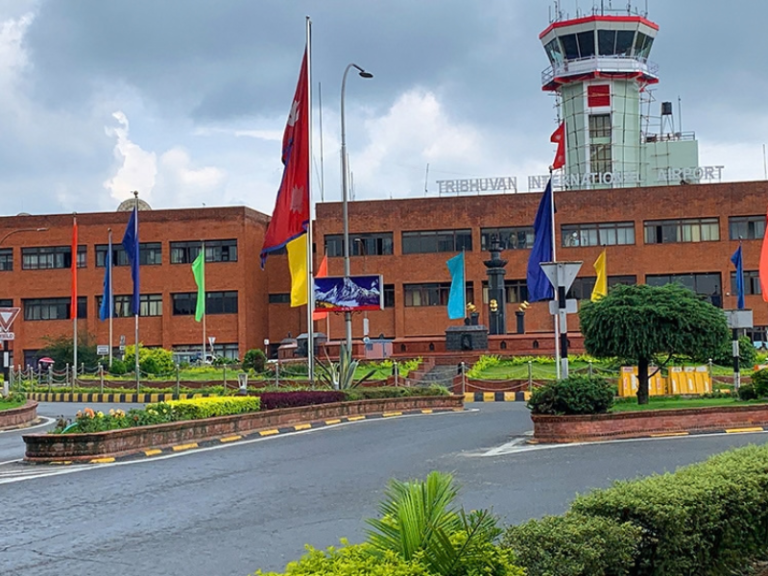
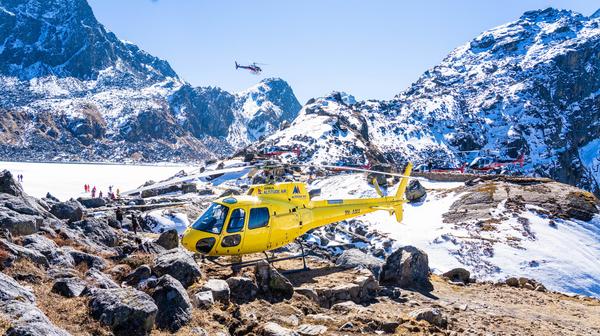
Established on August 6, 2015, Altitude Air commenced commercial operations in October 2016. The company currently operates two H125 Airbus helicopters and provides services ranging from private charter and mountain flights to rescue operations, pilgrimage flights, aerial filming and sling operations. Its registered office is located in Sinamangal, Kathmandu, while its engineering and operations office is based at the helipad of Tribhuvan International Airport.
The company’s helicopter services connect tourists and other customers to destinations including Everest Base Camp, Lukla, Muktinath and Pokhara. Although Altitude Air offers a range of services, charter flights account for the majority of its revenue, leaving its business performance closely linked to demand for private helicopter travel and tourism-related activities.

Operating Performance Moderates in FY2026
According to the September 2026 press release issued by CARE Ratings Nepal Limited (CRNL), Altitude Air’s operating income declined by approximately 7.2% year-on-year in FY2026. Its profit before interest, lease rentals, depreciation and taxation (PBILDT) margin also fell to 22.47%, compared with 32.21% in FY2025 and 40.87% in FY2024. The rating agency attributed the moderation in operating performance partly to disruptions in tourism activity following the Gen Z protests in September 2025. Higher aviation turbine fuel prices amid geopolitical tensions also placed pressure on profitability.
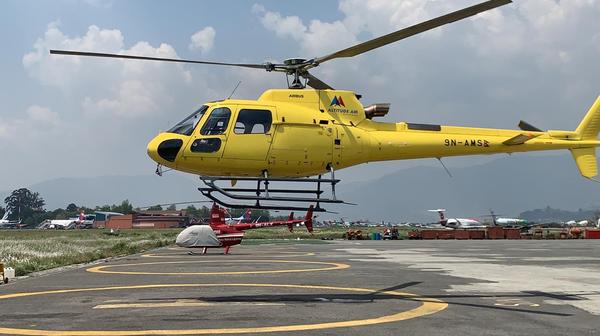
The company’s financial results were nevertheless supported by a one-off gain of approximately Rs 252 million from the disposal of assets associated primarily with helicopter 9N-AMS, which crashed on October 29, 2025, and another helicopter engine damaged during transit. Altitude Air received the related insurance proceeds, helping mitigate the financial impact of the incident.
The gain contributed to an improvement in the company’s profit after tax margin to approximately 33% in FY2026 from around 12% in FY2025. Gross cash accruals increased to Rs 225 million from Rs 128 million during the same period. However, CARE Ratings Nepal cautioned that the improvement in reported profitability and cash accruals was largely driven by the non-recurring gain rather than stronger underlying operating performance.
Altitude Air Plans to Expand Fleet to Three Helicopters
Altitude Air is currently in the process of acquiring a third helicopter, with operations expected to begin in the second half of FY2027. The acquisition is planned under a debt-equity structure of approximately 70:30, and the debt component has been fully tied up.
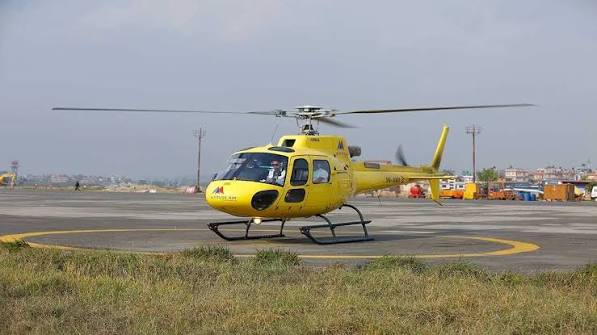
The proposed expansion is intended to increase the company’s operating capacity and support its future business growth. However, the new aircraft will need to be inducted on schedule and integrated into existing operations before the company can fully benefit from the additional capacity. The company will also need to generate sufficient revenue and cash flow to support the additional investment and associated debt obligations.
Altitude Air is led by Executive Chairman Nima Nuru Sherpa, who has more than three decades of experience in tourism and adventure tourism. He has also served as a senior vice-president of the Nepal Mountaineering Association and the Trekking Agencies’ Association of Nepal.
The company is supported by experienced directors, management personnel and flight crew. It also has a support-by-the-hour agreement with Safran Helicopter Engines covering engine support, maintenance, repair and overhaul, intended to help maintain operational continuity and reduce aircraft downtime.
CARE Ratings Reaffirms Ratings and Removes Negative Watch
Against this background, CARE Ratings Nepal has reaffirmed the credit ratings assigned to Altitude Air’s long-term and short-term bank facilities and removed them from credit watch with negative implications. The agency has maintained the CARE-NP BB+ rating for long-term bank facilities and the CARE-NP A4+ rating for short-term bank facilities. The total rated facilities have increased to Rs 868 million from Rs 850.73 million. Long-term bank facilities have increased to Rs 827.65 million from Rs 630.16 million, while short-term facilities have decreased to Rs 40.35 million from Rs 220.57 million.
The long-term facilities comprise a fixed-term loan of Rs 803.73 million and a permanent working capital loan of Rs 23.92 million. Short-term facilities comprise a fund-based limit of Rs 35 million and a non-fund-based limit of Rs 5.35 million. CARE Ratings Nepal said the removal of the negative credit watch reflects the company’s satisfactory performance in FY2026 following the October 2025 helicopter crash and the receipt of related insurance proceeds, which substantially mitigated the financial impact of the incident.
Nevertheless, the ratings remain constrained by the implementation and stabilisation risks associated with the proposed third-helicopter acquisition, as well as the company’s concentrated revenue profile, working-capital requirements, interest-rate exposure and the seasonal nature of tourism demand.
Debt Indicators Improve, but Interest Coverage Weakens
Altitude Air’s overall gearing ratio improved to 0.85 times at the end of FY2026 from 1.24 times at the end of FY2025. CARE Ratings Nepal attributed the improvement to the repayment of aircraft-related debt and an increase in tangible net worth supported by the gain on asset disposal. The company’s interest coverage ratio, however, declined to 3.67 times from 6.26 times in FY2025, reflecting lower operating profitability. Its total debt-to-gross cash accruals ratio improved to 2.02 times from 3.82 times.
The rating agency expects the company’s gearing to increase in FY2027 following the proposed debt-funded acquisition of the third helicopter, although leverage is expected to remain moderate. The impact of additional borrowing on the company’s capital structure and debt-servicing capacity will remain an important consideration, particularly if operating margins remain under pressure or revenue growth falls short of expectations.
Revenue Concentration and Seasonal Demand Remain Challenges
Despite offering several helicopter services, Altitude Air continues to depend heavily on charter operations for revenue. This exposes the company to fluctuations in demand for private helicopter travel and tourism-related activities. Nepal’s helicopter business is also seasonal, with demand generally peaking during September to November and February to May. Disruptions to tourist arrivals, trekking activity or mountain travel can therefore affect revenue and cash flow.
The company’s working-capital requirements have also increased. Its operating cycle extended to 51 days in FY2026 from 13 days in FY2025, mainly due to temporary classification differences arising from pending confirmations relating to booking advances, according to the rating agency. The company continues to rely on bank borrowings to meet working-capital requirements. In addition, Altitude Air is exposed to floating interest rates on its foreign-currency and domestic borrowings. An increase in financing costs could further reduce profitability, particularly when aviation fuel prices are high or tourism demand weakens.

Third Helicopter Acquisition to Shape Future Rating Outlook
CARE Ratings Nepal has identified timely induction of the third helicopter, stabilisation of its operations and profitable business expansion as key rating sensitivities. The company’s ability to achieve projected revenue and cash accruals while maintaining a moderate capital structure will also remain important. The agency has also highlighted the need for efficient working-capital management following the planned increase in debt-funded capital expenditure.
For Altitude Air, the removal of the negative credit watch provides a more stable rating position following the financial impact of the 2025 accident. However, its future performance will depend on whether it can translate the planned fleet expansion into sustainable operating growth rather than relying on one-off gains to support reported financial results.
The company’s established operational experience and the high capital and regulatory barriers to entry in Nepal’s domestic aviation industry provide some support to its credit profile. Even so, the ability to manage seasonal demand, control costs and maintain adequate cash flow will remain central to its financial stability as it moves towards operating a three-helicopter fleet.