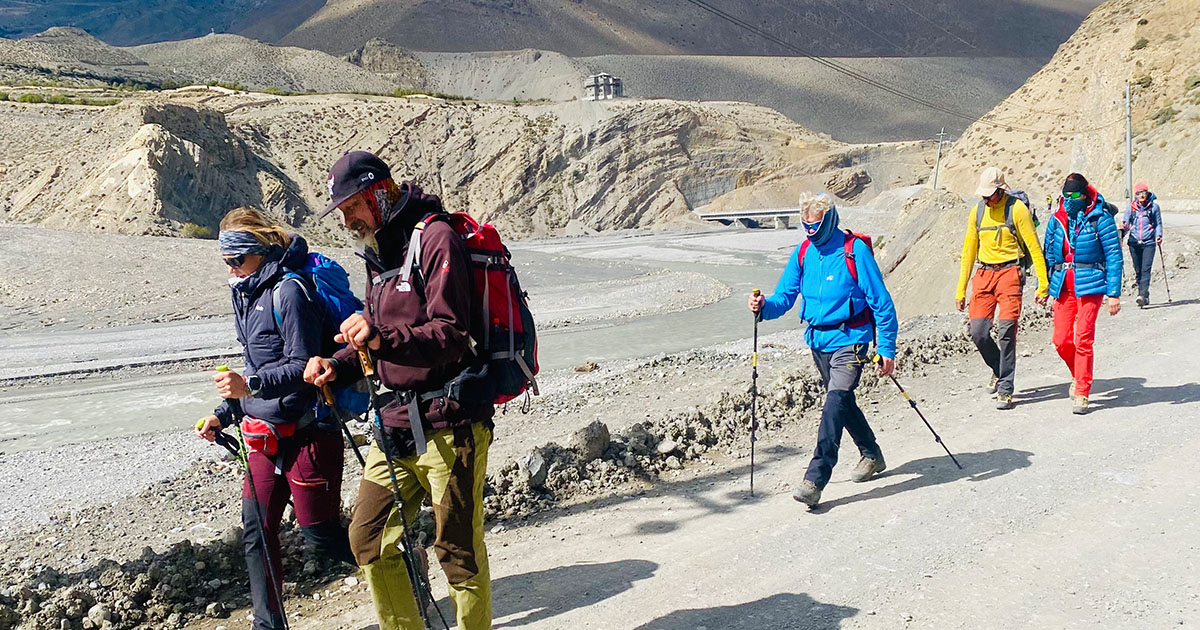
The Annapurna Conservation Area (ACA) has recorded a significant milestone in tourism, welcoming a large influx of international visitors, with Indian tourists accounting for the overwhelming majority of arrivals. According to data released by the Annapurna Conservation Area Project (ACAP), visitors from 169 countries travelled to the region. Indian nationals accounted for 375,797 visitors, reflecting the growing popularity of the Annapurna region among Indian travellers. The figures highlight the increasing importance of the Annapurna Conservation Area as a leading trekking, nature and adventure tourism destination in South Asia.
Open Border and Shared Culture Drive Indian Arrivals
The strong growth in Indian tourist arrivals has been attributed to several factors, including the open border between Nepal and India, shared religious and cultural connections, the appeal of Himalayan landscapes and increasing interest in adventure trekking. Of the Indian visitors, 246,717 were men, while the remaining visitors included women and other travellers. The steady flow of Indian tourists has also provided significant economic benefits to local communities across the Annapurna region. Hotels, restaurants, transportation providers, trekking agencies, guides, local shops and producers of local goods have all benefited from the growing tourism activity.

China, US and UK Among Major Source Markets
Following India, China recorded the second-highest number of visitors to the Annapurna region, with 12,539 tourists. The United States followed with 9,884 visitors, while the United Kingdom recorded 8,859 arrivals. Other major international markets included France with 7,939 visitors, Malaysia with 7,848, Germany with 7,634 and Bangladesh with 7,484 visitors. Tourists also arrived from Australia, South Korea, Israel, Russia, Japan and several other countries, further demonstrating the international appeal of the Annapurna region.
ACAP Emerges as a Major South Asian Trekking Destination
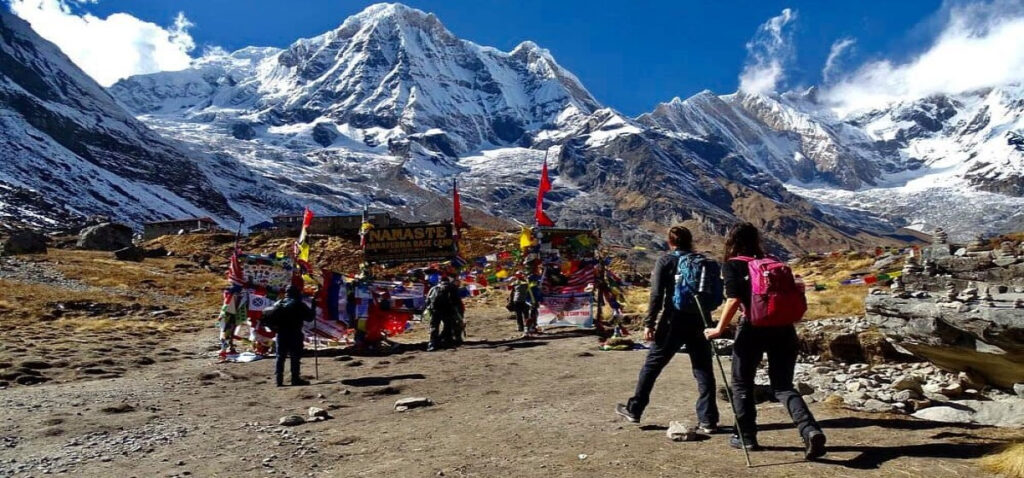
Dr Rabin Kadariya, Head of ACAP Pokhara, said the Annapurna region was firmly establishing itself as one of South Asia’s premier destinations for trekking and environmentally responsible tourism. He said the consistent rise in Indian tourist arrivals had provided important economic momentum to the region, benefiting local businesses and communities involved in the tourism sector. The Annapurna region is known for its diverse landscapes, ranging from subtropical valleys to high Himalayan terrain, as well as its rich biodiversity, traditional villages and culturally significant settlements.
Entry Fees Support Conservation and Communities
To manage tourism impacts and support conservation activities, ACAP charges an entry fee of Rs 1,000 per person for visitors from SAARC countries and Rs 3,000 per person for visitors from other countries. The revenue generated from these fees is distributed among different sectors. Thirteen per cent is deposited as VAT into the federal revenue account of the Government of Nepal, while 15 per cent is allocated to the National Trust for Nature Conservation (NTNC) for management expenses. The remaining revenue is used for environmental conservation, tourism infrastructure development and programmes aimed at supporting local communities.
Focus on Balancing Conservation and Development
Dr Kadariya said future budget allocations would focus on maintaining a balance between ecological conservation and regional development. He said ACAP would continue working in coordination with local governments, Conservation Area Management Committees and local communities to ensure that tourism growth does not compromise the region’s natural and cultural heritage. The approach is expected to focus on sustainable tourism infrastructure, biodiversity protection, environmental management and the improvement of facilities for both visitors and residents.

Nepal’s Largest Protected Area
Established in 1986, the Annapurna Conservation Area is managed by the National Trust for Nature Conservation (NTNC) in collaboration with the Government of Nepal. Covering an area of 7,629 square kilometres, the conservation area stretches across Kaski, Lamjung, Manang, Mustang and Myagdi districts. It includes 16 local levels and approximately 100 wards, making it Nepal’s largest protected area. For nearly four decades, the Annapurna Conservation Area has worked to balance biodiversity conservation, environmental protection and sustainable tourism development.
Tourism Growth Strengthens Nepal’s Global Appeal
The continued increase in international arrivals demonstrates the enduring appeal of the Annapurna region in the global tourism market. The strong presence of Indian visitors, alongside growing arrivals from China, the United States, Europe and other international markets, is strengthening the region’s position as a globally recognised trekking destination. With effective conservation, improved tourism infrastructure and greater community participation, the Annapurna Conservation Area is expected to remain a key pillar of Nepal’s tourism industry and a leading destination for sustainable adventure tourism.