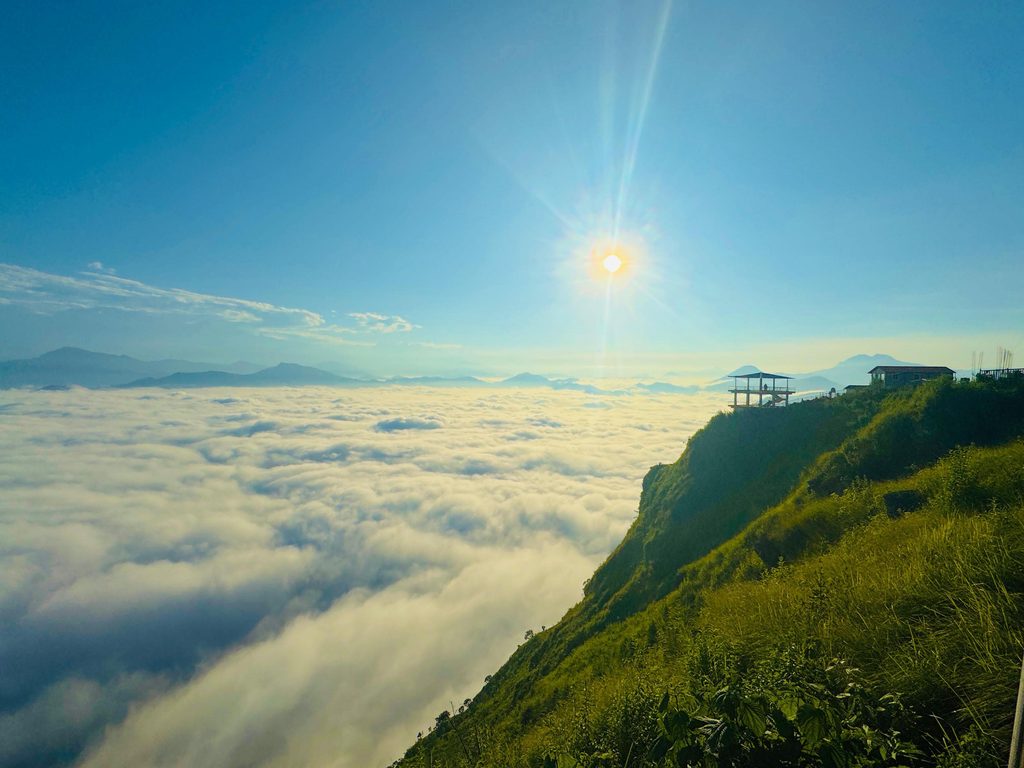
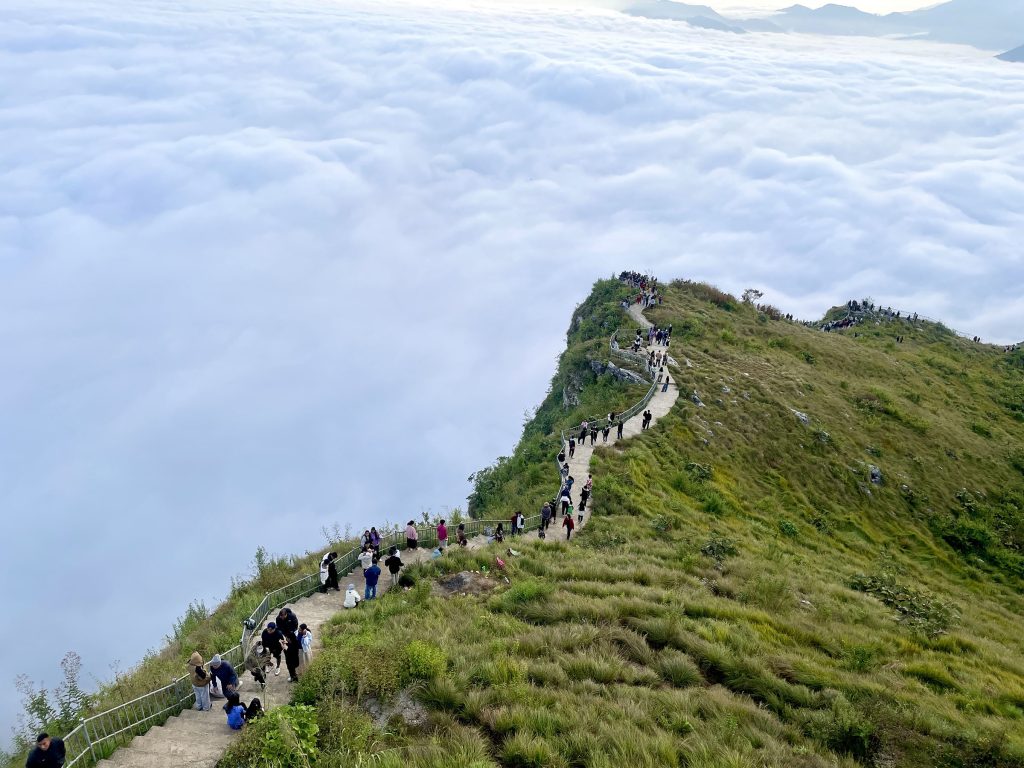
Manungkot, a popular hilltop destination in Byas Municipality–5 of Tanahun district, is witnessing increased tourist activity as colder weather brings the spectacular sight of mist-covered valleys and golden sunrise views. The destination has become a favourite among domestic travellers seeking natural scenery, peaceful surroundings, and panoramic views of the Himalayan ranges. Located near Damauli Bazaar, Manungkot offers visitors a striking view of the town hidden beneath a blanket of white mist during the early morning hours.
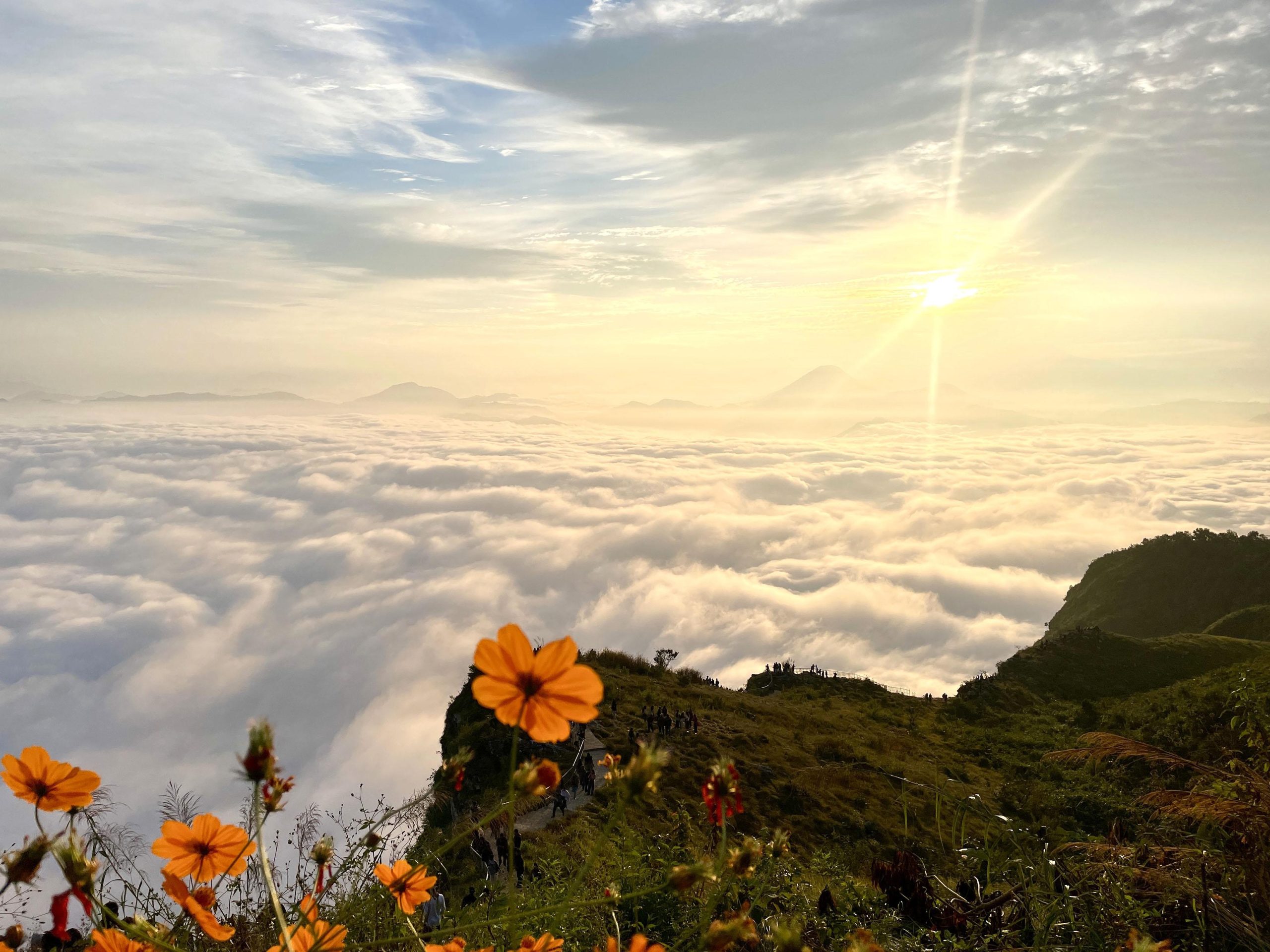
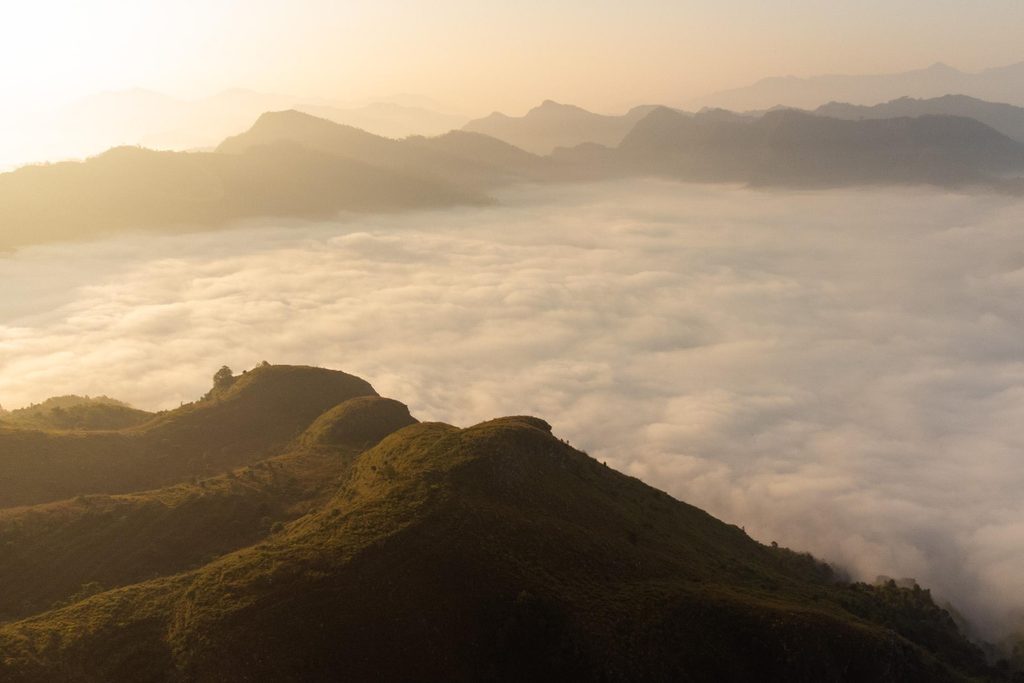
As the sun rises above the surrounding hills, golden rays spread across the fog, creating the appearance of a sea of clouds. The seasonal landscape has encouraged more visitors to spend the night in the area so they can experience the scenery at dawn. The growing popularity of Manungkot is also creating opportunities for local tourism businesses, while Byas Municipality is preparing plans to develop the area into a more organised tourist village. However, stakeholders say infrastructure improvements and environmental protection will be essential to sustaining its tourism growth.
Mist and Sunrise Become Major Tourist Attractions
Manungkot’s main attraction is the dramatic natural scenery visible during the early morning. From the hilltop, visitors can look down at Damauli Bazaar and the surrounding valleys, which are often covered by thick mist during suitable weather conditions. The combination of white clouds, golden sunlight, green hills and distant mountain peaks creates a distinctive landscape that attracts photographers and nature lovers.
Visitors are increasingly choosing to stay overnight rather than make a brief visit, allowing them to enjoy the quiet evening atmosphere and wake early for the sunrise. Geeta Parajuli and Radhika Parajuli, visitors from Pokhara, described the morning scenery as captivating. Their experiences reflect the growing appeal of Manungkot as a destination for short holidays and overnight nature trips.
The hilltop also provides views of several Himalayan peaks, including Dhaulagiri, Machhapuchhre, Annapurna, Manaslu and Lamjung Himal. When the weather is clear, these mountain ranges add to the destination’s appeal, offering visitors an opportunity to enjoy both the mist-covered lowlands and snow-capped peaks from a single viewpoint. Manungkot’s location close to Damauli makes it accessible for travellers seeking a short getaway. Families, groups of friends and visitors returning to their home districts during holiday periods have increasingly included the destination in their travel plans.
Rising Tourist Arrivals Support Local Businesses
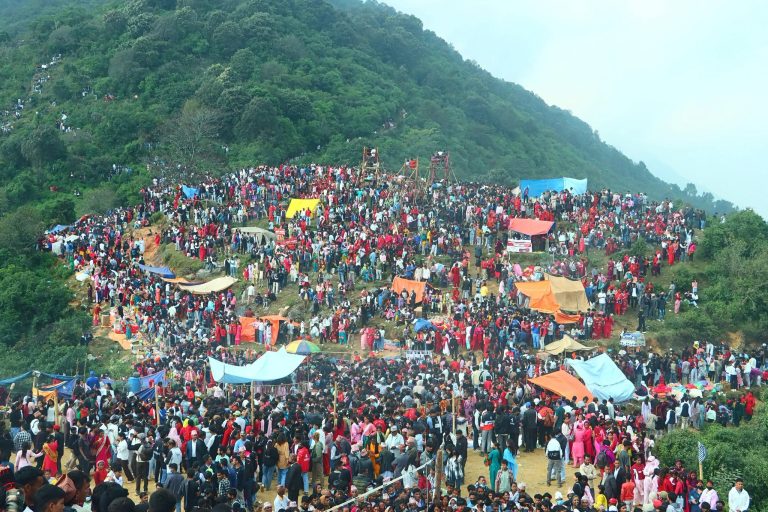
The increase in visitors is bringing greater activity to Manungkot and nearby settlements. Local youth Anil Adhikari said around 200 to 300 tourists had been visiting the destination daily in recent days. Visitors typically arrive to watch the sunrise, take photographs and enjoy the surrounding landscape. The growing flow of tourists is also benefiting hotels and other local businesses. According to local businessperson Shailesh Sunam, the increased number of visitors has contributed to greater commercial activity in the area.
Hotels, food outlets, transport operators and other service providers can benefit when tourists stay longer and spend money locally. Increased demand for accommodation, meals and transportation can also create opportunities for employment and income generation among residents.
However, continued growth will depend on the destination’s ability to provide adequate facilities and maintain a positive visitor experience. Reliable access, accommodation, sanitation and other basic services will become increasingly important as more travellers discover the area.
Cultural Heritage Adds Another Dimension
Beyond its natural scenery, Manungkot also has cultural and religious significance. A local legend connects the mist that covers Damauli with Parashar Rishi, the father of Maharishi Ved Vyas, and Satyawati. According to the traditional account, Parashar Rishi created mist to conceal his encounter with Satyawati from public view. This story has become part of the cultural identity associated with the landscape, giving visitors another way to understand the region beyond its visual attractions.
Such local legends can contribute to cultural tourism by connecting natural landmarks with stories and beliefs passed down through generations. Visitors can therefore experience Manungkot not only as a scenic viewpoint but also as a place associated with local history, mythology and religious traditions. The area’s cultural identity, combined with its mountain views and peaceful environment, provides opportunities to develop tourism experiences that involve local communities and encourage visitors to learn more about Tanahun’s heritage.
Municipality Plans a More Organised Tourist Village
As Manungkot’s popularity increases, Byas Municipality is preparing to develop the area through a land-pooling project covering approximately 700 ropanis. The plan aims to support the development of an organised tourist village while preserving the area’s distinctive identity and natural appeal. According to Chief Administrative Officer Sukdev Lamsal, preliminary studies have indicated that the area is suitable for the proposed project.
The municipality is preparing to implement the initiative through a dedicated land-pooling implementation unit. The proposed development is expected to prioritise essential infrastructure, including roads, drinking water, electricity, walking trails and parks. Planned facilities could improve visitor access, support local businesses and create additional employment opportunities for residents.
At the same time, the destination continues to face infrastructure challenges. Tourism stakeholders have highlighted difficulties associated with the Jayagad–Ramaroshan road section as an example of how inadequate access can affect travel in tourist areas. Improvements to transport and basic facilities will be important in making Manungkot more convenient for visitors. The municipality’s challenge will be to balance infrastructure expansion with the protection of the natural landscape that attracts tourists in the first place.
Waste management, sanitation, safe walking routes and community participation will be important as visitor numbers increase. Manungkot’s growing popularity highlights the potential of nature-based and cultural tourism to support local economies. With its mist-covered valleys, sunrise views, Himalayan panoramas and cultural stories, the destination is increasingly attracting travellers looking for experiences beyond urban sightseeing. If tourism infrastructure is developed responsibly and its natural character is preserved, Manungkot could strengthen its position as one of Gandaki Province’s notable tourist destinations.