Nestled in the remote highlands of Bajura, within Triveni Municipality of Sudurpashchim Province, Badimalika stands as one of Nepal’s most revered yet least explored spiritual destinations. Often described as the “Switzerland of Nepal,” this sacred region blends breathtaking alpine meadows, rolling green hills, colorful wildflowers, and snow-clad Himalayan panoramas with deep mythological and religious significance. Situated at an altitude of around 3,800–4,200 meters, the temple area offers not only a pilgrimage but also an unforgettable journey into pristine nature and ancient belief systems.
Mythological Significance: A Revered Shakti Peeth
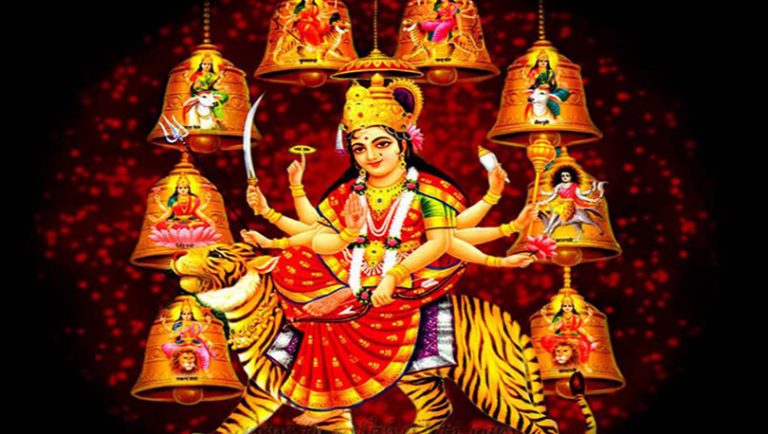
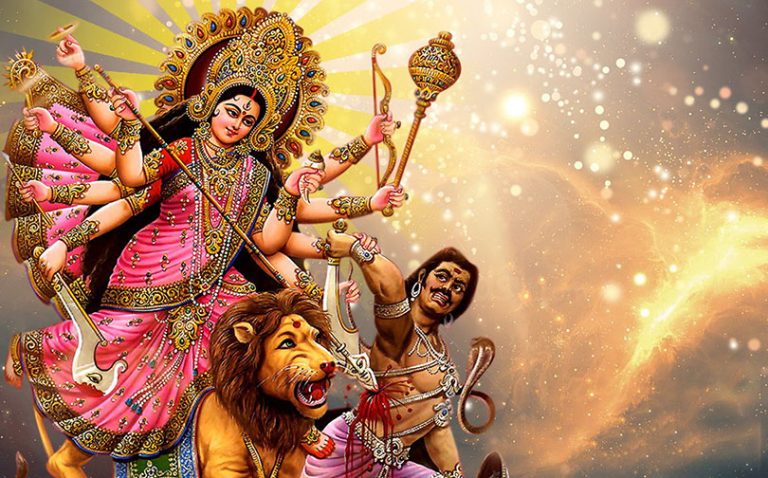
Badimalika is dedicated to Goddess Bhagwati, worshipped in the forms of Mahakali, Mahalaxmi, and Durga. It is recognized as one of the sacred Shakti Peethas mentioned in ancient Hindu scriptures such as the Skanda Purana and the Swasthani Brata Katha. According to mythology, when Sati Devi sacrificed herself in the yagya fire after her father Daksha insulted Lord Shiva, Shiva wandered the universe carrying her body in grief.
As Lord Vishnu released his Sudarshan Chakra to disintegrate the corpse, different body parts fell across the subcontinent, forming sacred sites of worship. It is believed that Sati’s left shoulder fell on Mallagiri Mountain, which later came to be known as Badimalika. This divine association makes the site spiritually powerful, drawing devotees who believe their wishes are fulfilled, sins are cleansed, and ancestral souls attain peace through worship here.
The Legend of King Dipraj Chhatyal
Local history narrates the mystical story of King Dipraj Chhatyal, who once ruled this land. While hunting near Mallagiri, an unseen force stopped him from killing a deer. That night, Goddess Malika appeared in his dream, instructing him to protect the sanctity of the land and build a temple in her honor instead of shedding blood. Inspired by this divine vision and a similar revelation received by the Jumli king, the rulers jointly constructed the shrine using stone, black gram paste, and copper plates, symbolizing unity and devotion. This legend reinforces the belief that Badimalika is not merely a religious structure but a divinely chosen landscape where nature itself is sacred.
Triveni Dham: The Sacred Confluence
Pilgrimage to Badimalika traditionally begins with ritual bathing at Triveni Dham, located at the confluence of three holy rivers. Nearby flows the Budhi Ganga and the mighty Karnali River, while the mystical Mandakini is believed to run underground. Devotees take a purifying bath here, perform Shraddha rituals for ancestors, and then begin the uphill trek to the temple, believing that this spiritual preparation ensures divine blessings.
A Landscape Resembling Switzerland
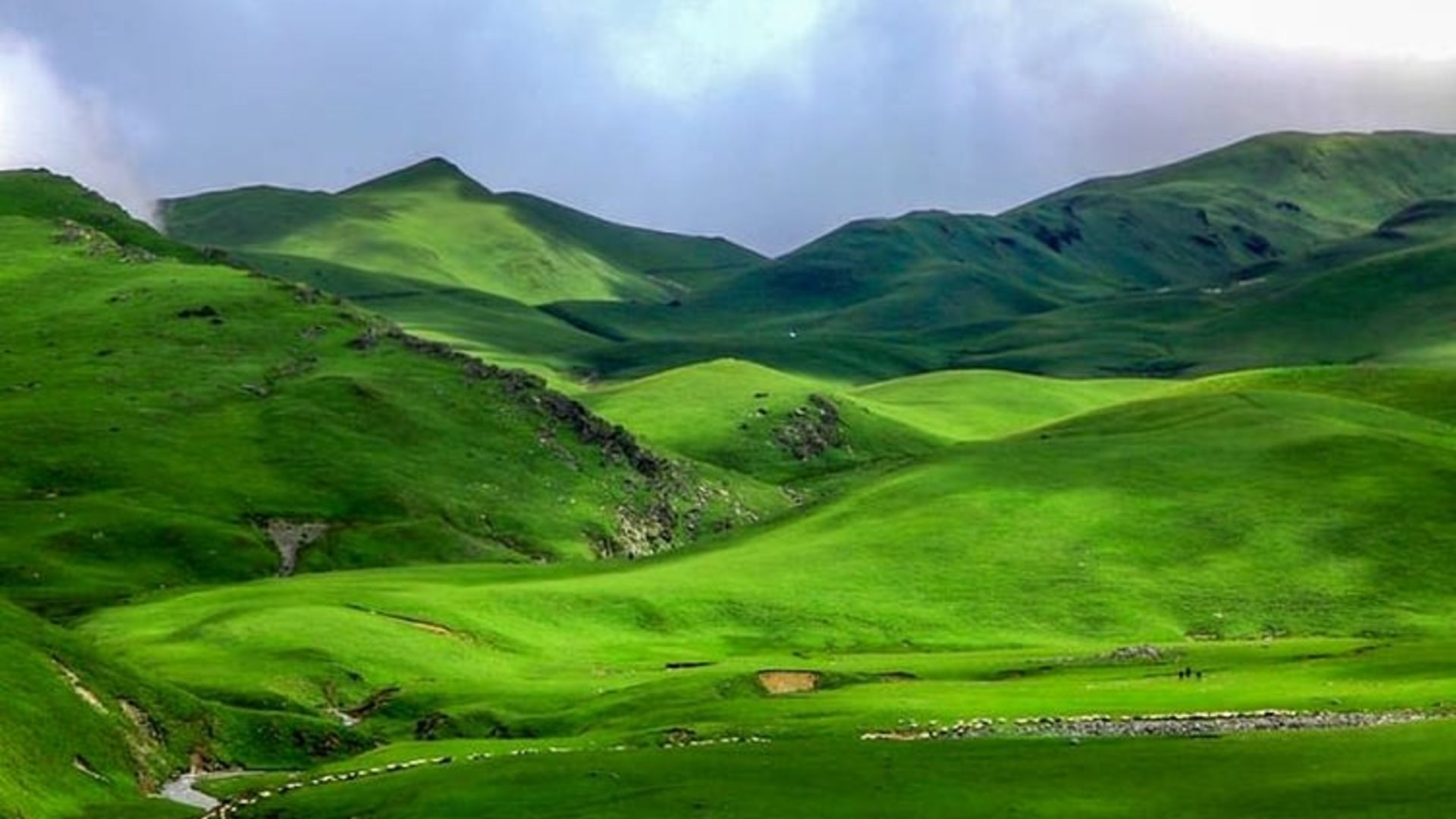
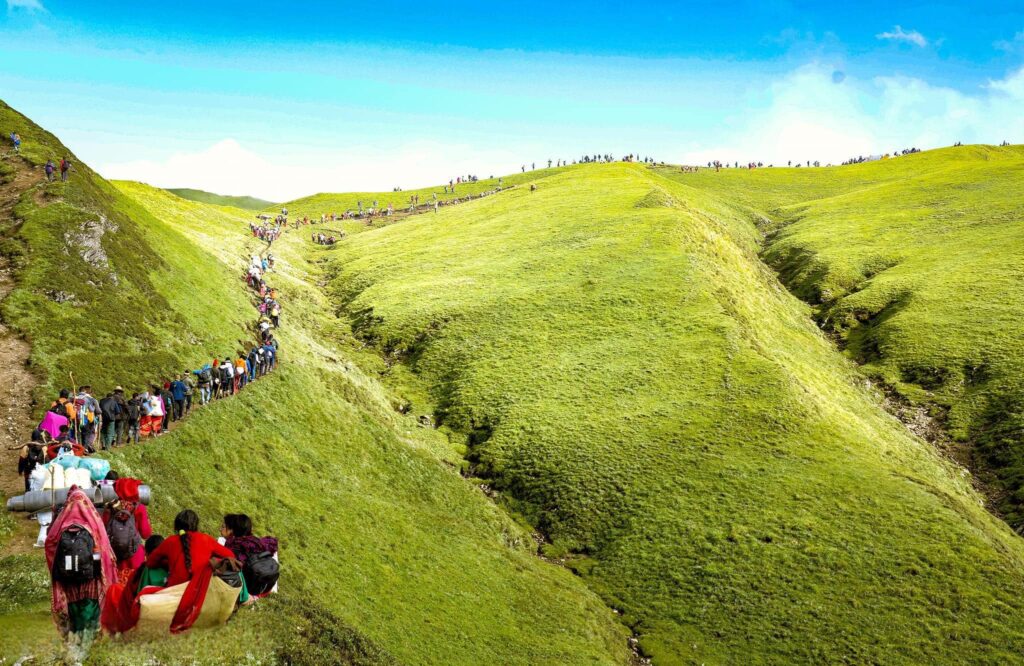
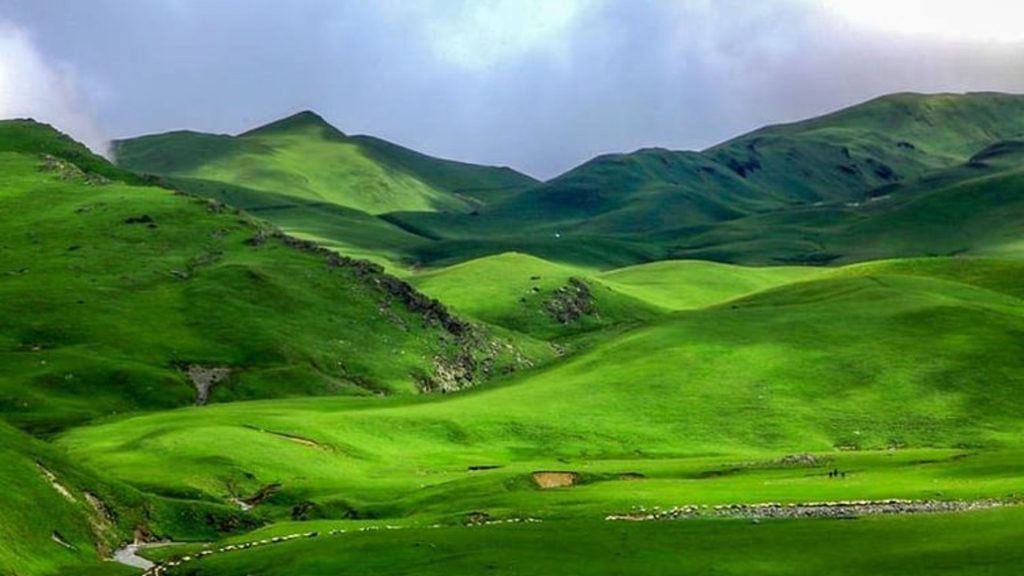
Badimalika earns its nickname, the “Switzerland of Nepal,” from its extraordinary natural beauty. During the monsoon and summer months, vast highland pastures transform into lush green carpets dotted with vibrant wildflowers in shades of red, yellow, purple, and blue. Herds of sheep, horses, and cattle graze peacefully across these meadows, creating scenes that resemble European alpine valleys.
On clear days, visitors are rewarded with sweeping views of the majestic Api Himal and Saipal ranges. The sunrise and sunset here paint the sky in dramatic colors, making the entire plateau feel like a celestial garden described in sacred texts.
Cultural and Religious Traditions
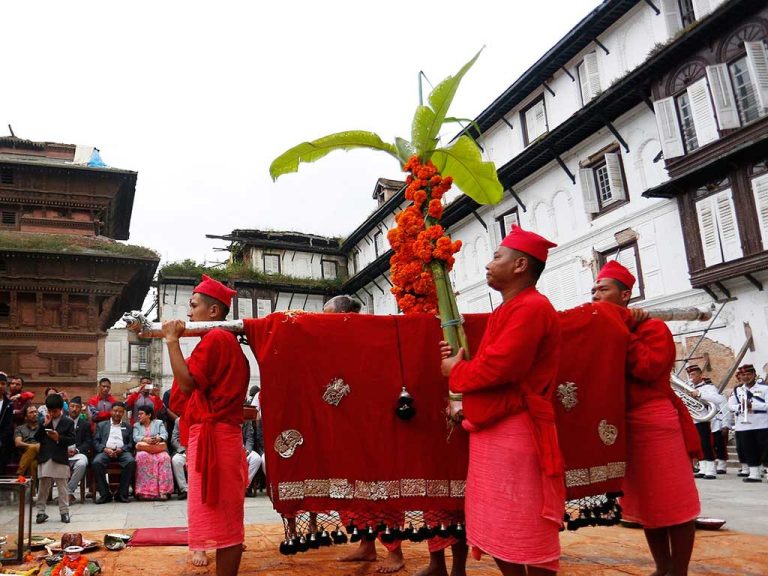
Badimalika is considered the eldest among the seven sister goddesses of the Far West, symbolizing maternal protection and spiritual authority. The main festival, Malika Chaturdashi, along with the grand Janai Purnima fair, attracts thousands of pilgrims from Nepal and India each year. Two priests traditionally serve the temple, one representing Bajura and the other Kalikot, symbolizing regional harmony and shared guardianship of the sacred shrine.
An important ritual tradition requires devotees to also visit Nateshwori Temple after offering prayers at Badimalika. According to belief, worship remains incomplete without honoring this associated shrine, where divine celebrations once took place after the victory of the gods over demons.
Gateway to Wilderness and Spiritual Trekking
The journey to Badimalika is as meaningful as the destination itself. The trekking route passes through remote villages, dense forests, and open grasslands, offering a rare glimpse into untouched Himalayan culture and lifestyle. The area lies close to Khaptad National Park, Nepal’s smallest national park, known for its biodiversity, rolling plateaus, and meditative serenity. Accessible mainly between April and September, the trek combines spirituality with adventure, making it ideal for pilgrims, trekkers, and seekers of solitude alike.
A Place of Faith, Healing, and Inner Peace
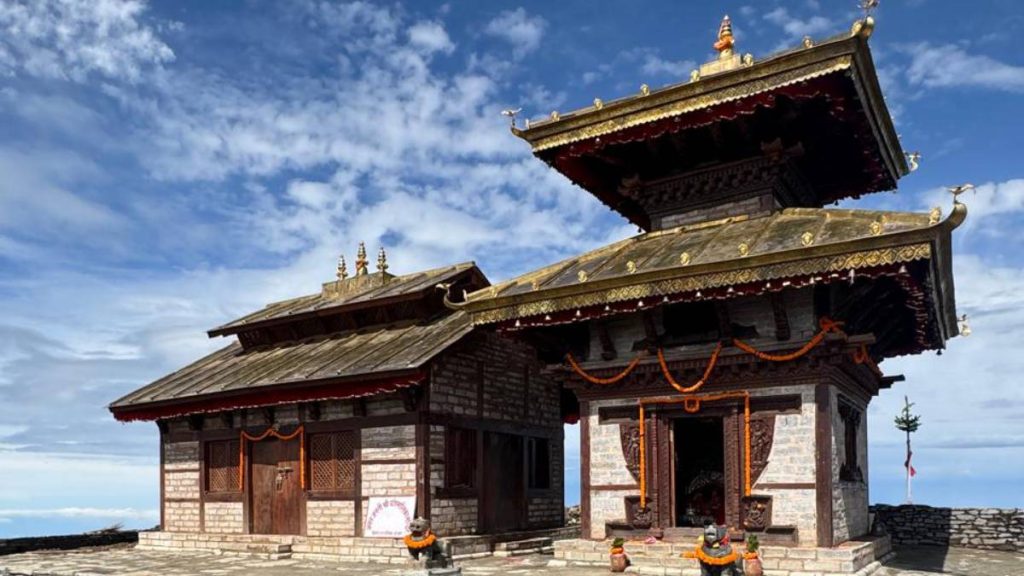
For centuries, devotees have believed that visiting Badimalika brings healing from illness, success in life, prosperity, and spiritual liberation. Yogis and meditators regard the region as an energy center, while locals describe it as a living heaven on earth. Even today, the temple’s simple pagoda-style structure, rebuilt using traditional wood, stone, and brass, retains an atmosphere of humility and divine presence rather than grandeur.
Where Nature Meets the Divine
Badimalika is more than a temple; it is a harmonious blend of mythology, culture, wilderness, and faith, standing quietly in Nepal’s far-western Himalayas like a sacred secret waiting to be discovered. Its unmatched beauty, spiritual depth, and unspoiled environment make it one of the most extraordinary pilgrimage and trekking destinations in South Asia.
If you wish to witness a place where the Himalayas whisper ancient legends and nature feels like a blessing, Badimalika awaits you with open skies and divine serenity.