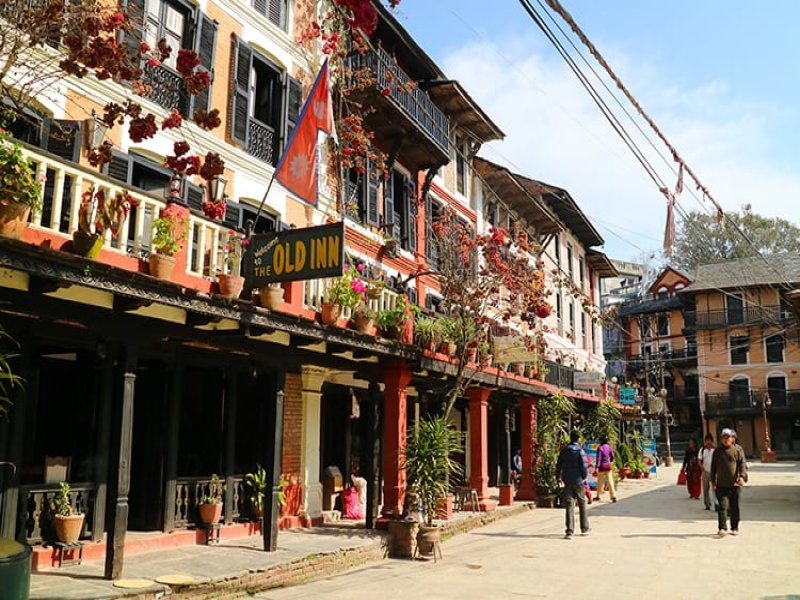
The Bandipur Rural Municipality has unveiled a comprehensive tourism development plan, placing the sector at the center of its long-term economic strategy with the announcement of ‘Rural Tourism Visit Year 2026’ and a series of initiatives aimed at strengthening infrastructure, preserving cultural heritage, and expanding tourism opportunities across the municipality.
Known for its natural beauty, rich cultural heritage, and well-preserved historical architecture, Bandipur is widely recognized as one of Gandaki Province’s leading tourism destinations and is popularly referred to as the “Queen of the Hills.” According to Rural Municipality Chairperson Surendra Thapa, the local government aims to establish the entire municipality as a model rural tourism destination by promoting attractions in all wards rather than concentrating tourism solely within the historic Bandipur Bazaar.

Visit Year 2026 to Promote Rural Tourism
As part of the Rural Tourism Visit Year 2026 campaign, the municipality plans to expand tourism activities beyond the main market area into surrounding villages, creating new experiences for both domestic and international visitors. Chairperson Thapa said the campaign will focus on improving tourism infrastructure, strengthening destination marketing, preserving local culture, and identifying new tourism products that encourage visitors to explore rural communities throughout Bandipur.
Digital Promotion and Homestay Development
To enhance tourism promotion, the municipality will prepare a comprehensive digital database of tourist villages and homestays, produce promotional documentaries showcasing Bandipur’s attractions, and organize training programs to improve the quality of community homestays. The local government also plans to develop a homestay circuit, enabling tourists to experience authentic rural life while generating additional income opportunities for local communities.
Tourist Information Centre and Smart Visitor Services
To improve visitor services and maintain reliable tourism data, Bandipur Rural Municipality will establish a Tourist Information Centre that will record domestic and international tourist arrivals while providing information and travel assistance. The municipality also plans to install tourist maps, information boards, Himalayan viewpoint guides, and digital QR information boards to help visitors easily access information about attractions, trekking routes, and cultural sites.
Expansion of Trekking Trails and Bird-Watching Routes
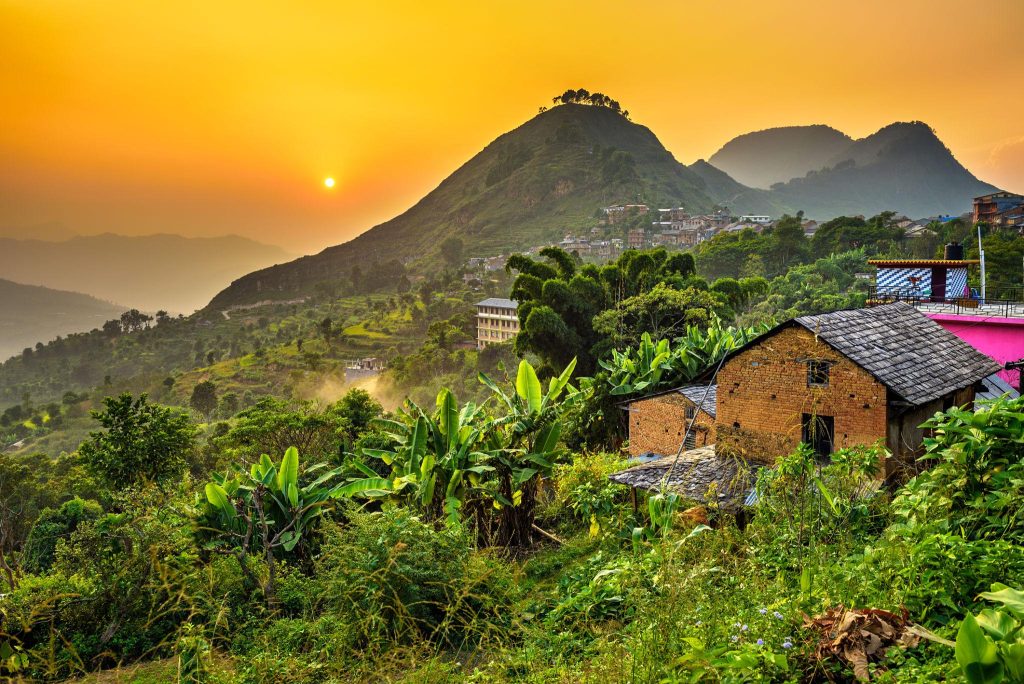
The municipality has prioritized the development of trekking infrastructure, including improvements to the Manimukundasen Trail (Mini Great Wall), Raniban Trail, Chhimkeshwari trekking routes, and several other hiking trails. One of the key initiatives includes developing the Raniban Trail into a dedicated bird-watching trail, taking advantage of the area’s rich biodiversity and attracting nature enthusiasts.
Religious and Historical Heritage to Receive Greater Focus
Bandipur also plans to strengthen religious tourism by conserving and promoting important pilgrimage sites, including Mukundeshwari Temple, Thanimai Temple, Khadkamai Temple, Bhutyai Baraha, Santaneshwar Mahadev, Mulpani Mahadev, Samdi Mahadev, Tindhara Mahadev, and Pahadpani Mahadev. The municipality will also study and preserve historical sites dating back to the era of the Baise and Chaubise kingdoms, including ancient forts such as Huslangkot and Chandrakot, with the goal of enhancing Bandipur’s cultural tourism appeal.
Adventure Tourism Expansion Planned
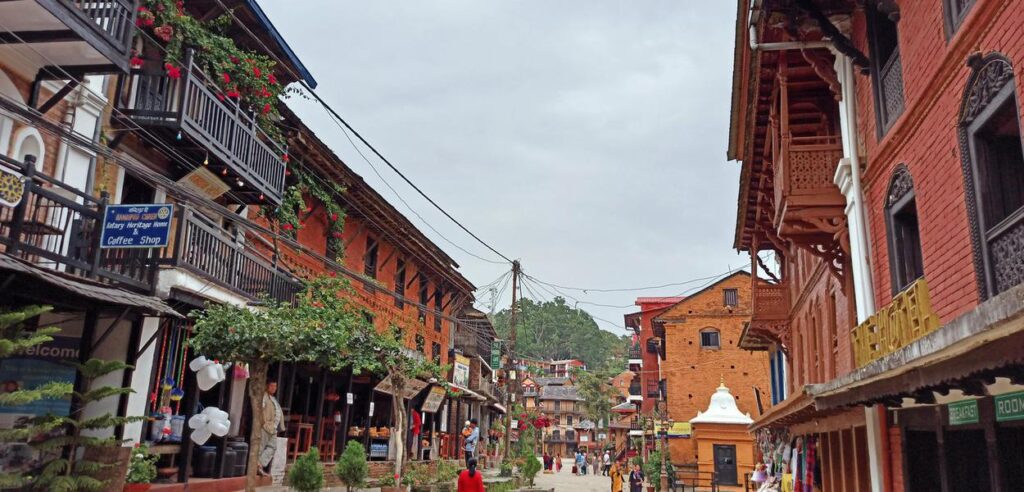
Adventure tourism has also been identified as a major growth area. The municipality intends to promote activities including rock climbing, paragliding, canoeing, rafting, and cycling, positioning Bandipur as one of Nepal’s emerging adventure tourism destinations alongside its established cultural and heritage attractions.
Caves and Agri-Tourism to Boost Local Economy
Bandipur will continue conserving and promoting some of Nepal’s most significant cave attractions, including Siddha Cave, considered the country’s largest cave, as well as Patal Dwar Cave and Shankhe Cave. The municipality also plans to integrate agriculture with tourism by promoting indigenous crops and encouraging the development of farmhouse stays, allowing visitors to experience traditional farming and rural lifestyles.
Beautification and Regional Tourism Packages
Under its “Let’s Make Our Village Beautiful” campaign, the municipality will continue village beautification projects, the Bright Bandipur Campaign, and traditional stone-paving initiatives. Additional beautification projects will be implemented in Ramkot, Dharampani, and Korikhal, while local souvenir houses will be established to promote traditional handicrafts and local products.

To encourage longer visitor stays, Bandipur will collaborate with neighboring local governments to develop integrated tourism packages connecting Bandipur, Chhimkeshwari, Manakamana Temple, Gorkha Durbar, the birthplace of Bhanubhakta Acharya, and Tanahunsur through potential trekking routes.
Investment-Friendly Policy for Smart Tourism City
To attract private-sector investment, the municipality will formulate investment-friendly tourism policies and prepare a Detailed Project Report (DPR) for the sustainable development of Bandipur Bazaar as a smart tourism town. Chairperson Thapa said the municipality’s long-term vision is to preserve Bandipur’s natural, historical, religious, and cultural heritage while making tourism a key driver of local economic prosperity. He added that the strategy emphasizes community participation and inclusive benefits, with the goal of establishing Bandipur as a nationally and internationally recognized rural tourism destination.