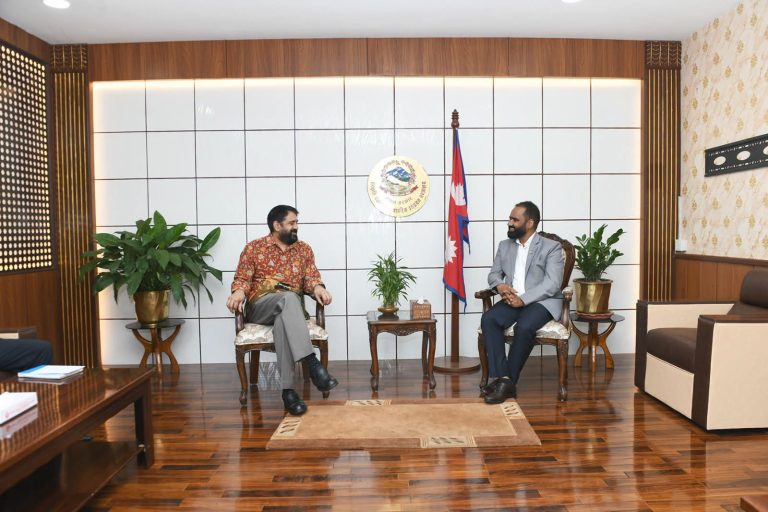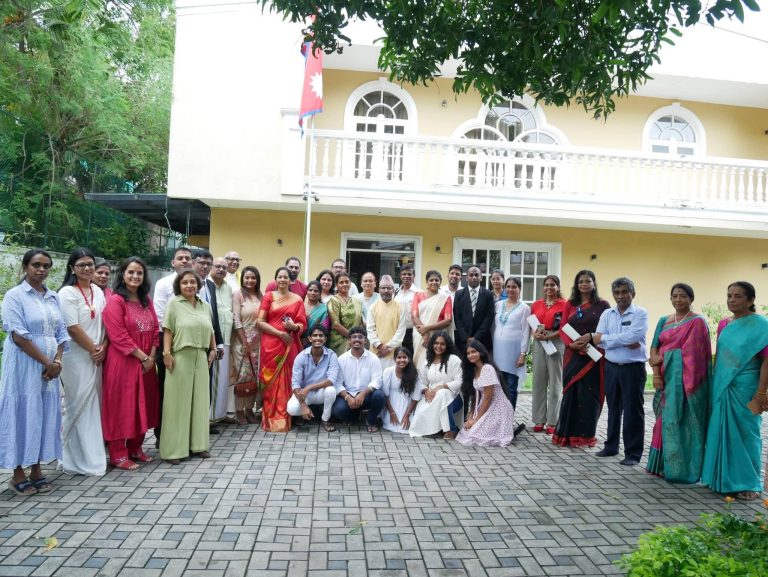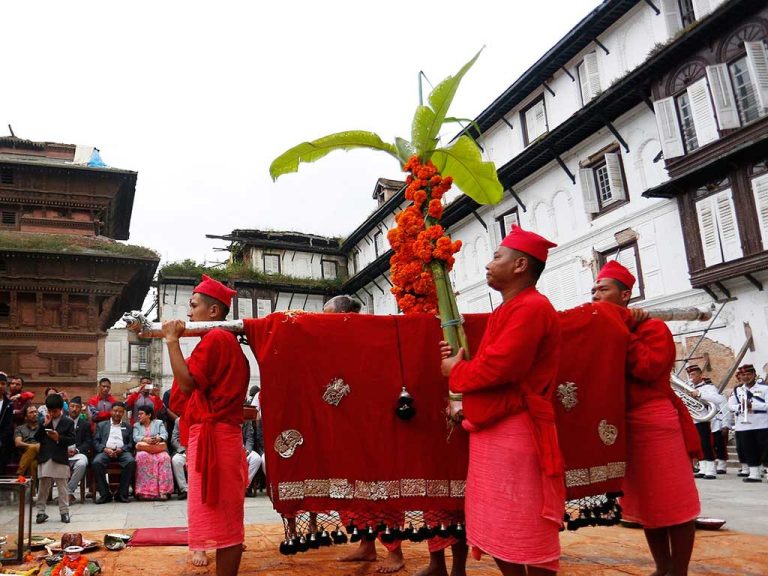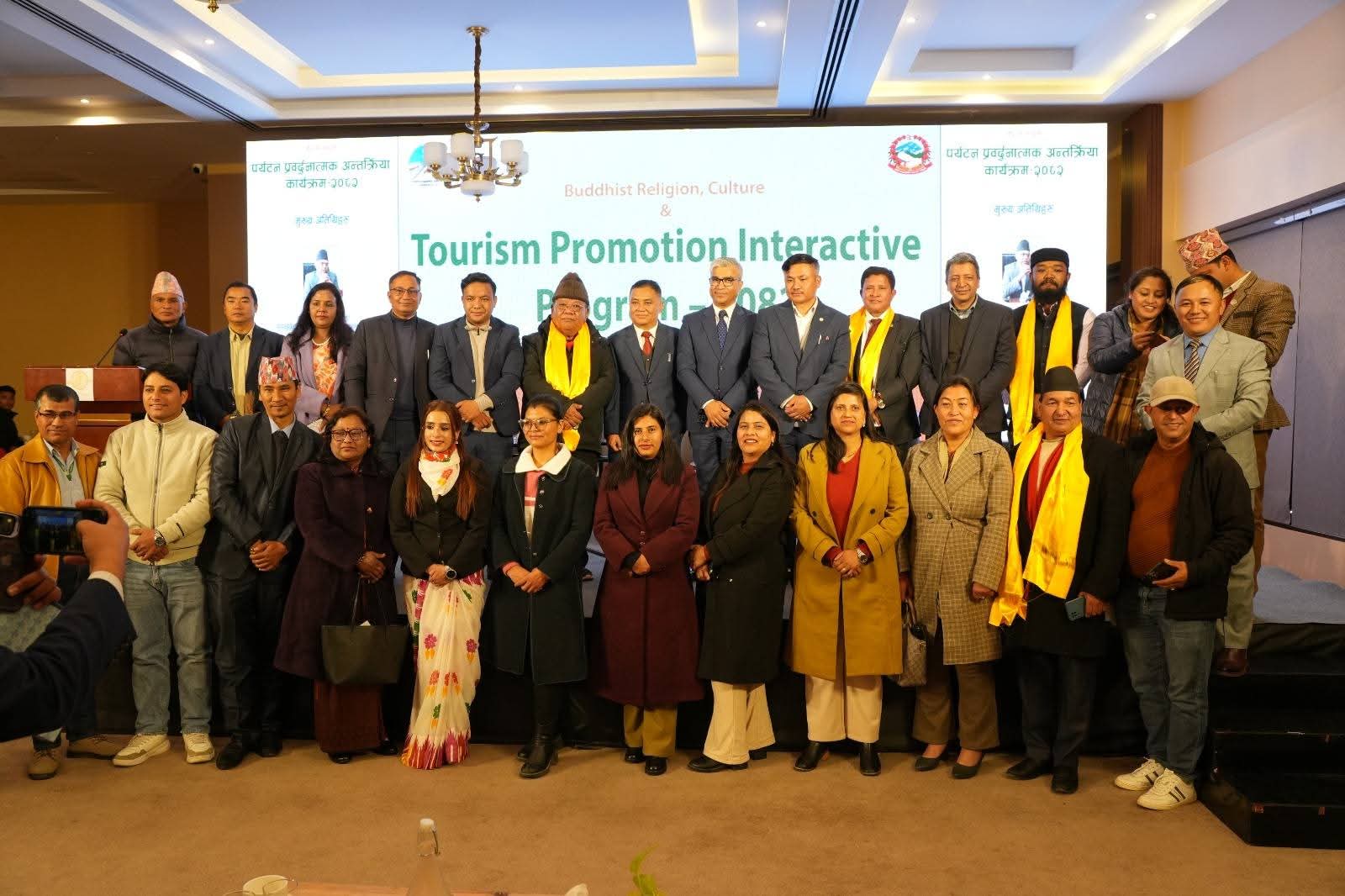
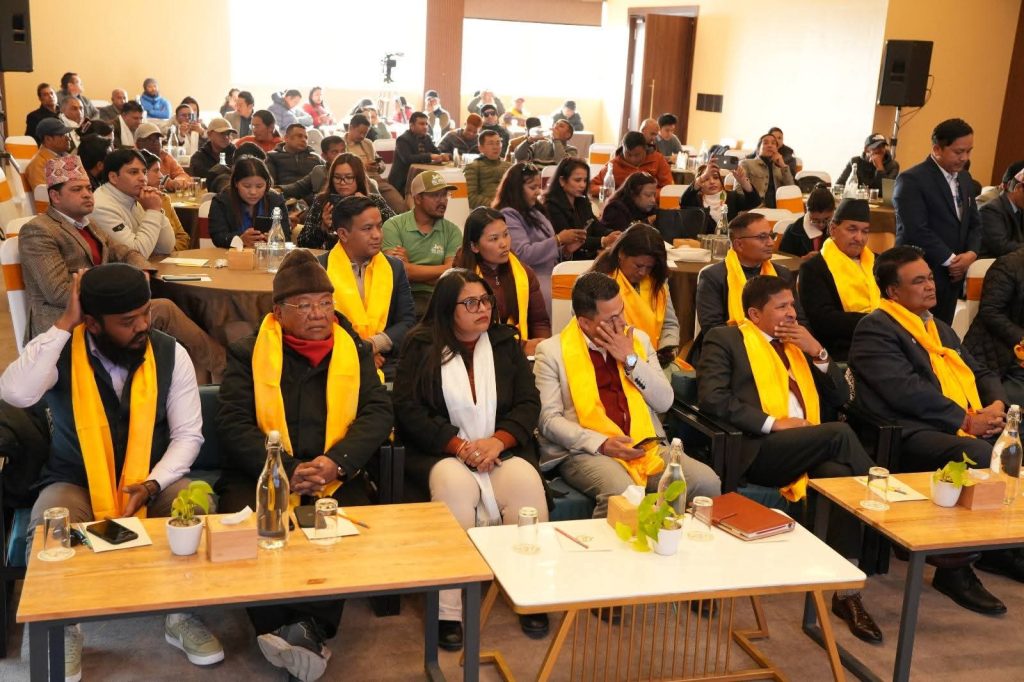
With Nepal preparing for an ambitious tourism drive in the coming year, the Shree Boudhanath Area Development Committee organized a high-level Tourism Promotion and Stakeholder Interaction Program today to chart strategic priorities for Tourism Year 2082 B.S. (2025/26). The program brought together tourism experts, hoteliers, cultural custodians, community leaders, and government representatives to develop a unified vision for strengthening Boudhanath’s position as a world-class spiritual tourism destination.

Recognized as a UNESCO World Heritage Site, Boudhanath remains one of Nepal’s most iconic landmarks. The interaction program aimed to reorient tourism strategies toward sustainability, cultural preservation, and experiential travel while enhancing visitor satisfaction and local economic benefits.
Repositioning Boudhanath as a Global Spiritual Destination
A central focus of the program was redefining Boudhanath’s international image. Participants emphasized that the stupa should be promoted not only as a sacred pilgrimage site but also as a global hub for spiritual, cultural, and experiential tourism.
Tourism experts proposed targeted branding campaigns aimed at attracting long-stay travelers, wellness tourists, Buddhist scholars, and international spiritual seekers. The vision includes positioning Boudhanath as a center for meditation retreats, Tibetan Buddhist learning, heritage walks, and cultural immersion programs.
Strengthening Infrastructure and Cleanliness Standards
Recognizing the growing influx of domestic and international tourists, the committee unveiled plans to improve local infrastructure, cleanliness management, pedestrian mobility, and visitor facilities. Discussions highlighted the need for better signage, public conveniences, waste management systems, lighting, and crowd control mechanisms, particularly during peak festival seasons.
Stakeholders stressed that maintaining cleanliness and accessibility around the stupa is essential not only for tourism growth but also for preserving the site’s sacred atmosphere.
Preserving Heritage Amid Modern Growth
Cultural preservation was identified as a major priority. The interaction emphasized protecting traditional Himalayan Buddhist practices, monastery activities, festivals, and rituals while integrating modern visitor services.
Community leaders called for strict guidelines to ensure that commercialization does not dilute the spiritual essence of Boudhanath. Plans include strengthening heritage conservation measures, regulating commercial activities, and promoting authentic cultural programs for visitors.
Public–Private Partnerships for Seamless Tourism Experiences
The committee called for stronger collaboration between government agencies, local entrepreneurs, hotels, travel operators, and guides to create integrated tourism services. Stakeholders proposed developing standardized service packages, joint promotions, and training programs to improve service quality and visitor satisfaction.
Such partnerships are expected to encourage longer stays, higher tourist spending, and consistent service standards across the Boudhanath area.
Leadership’s Vision for Record-Breaking Tourism in 2082
During the panel discussion, representatives from the Ministry of Culture, Tourism, and Civil Aviation and the Boudhanath Area Development Committee expressed optimism that Tourism Year 2082 could set new benchmarks for tourist arrivals.
“Boudhanath is the heart of Kathmandu’s spiritual tourism,” a panelist stated. “Our mission is to ensure that every visitor leaves with a meaningful understanding of our heritage while also directly contributing to the well-being of the local community.”
Commitment to Transparent and Quality Tourism
The committee reaffirmed its commitment to fair tourism practices, stating that entrance fees and service revenues will be closely monitored and transparently utilized for the maintenance of the stupa, Peace Parks, monasteries, and surrounding public spaces.

This quality-focused approach is designed to ensure sustainability while enhancing visitor trust and long-term preservation.

A Strategic Step Toward National Tourism Goals
As Nepal prepares for a renewed national tourism campaign in 2082, today’s interaction program has laid a strong foundation for coordinated development in one of the country’s most treasured heritage zones. By aligning community participation, cultural integrity, and modern tourism infrastructure, Boudhanath is set to emerge as a model destination for sustainable spiritual tourism in Nepal.