Brunei Darussalam is seeking to strengthen its position in the international tourism market by promoting its untouched rainforests, rich cultural heritage, safety, and peaceful environment as alternatives to the increasingly crowded destinations of Southeast Asia.
Despite being one of the wealthiest countries in the world, Brunei remains one of the least-visited destinations in ASEAN. Unlike neighbouring Thailand, Malaysia, Indonesia, Vietnam, and Singapore, the small sultanate has never pursued mass tourism on a large scale.
Instead, Brunei has preserved much of its natural environment, traditional culture, and uncrowded lifestyle.
From Oil Wealth to Tourism Diversification
For decades, Brunei’s economy was largely supported by oil and natural gas revenues. This meant the country did not need to rely heavily on tourism to generate income.

While other Southeast Asian countries invested heavily in international tourism campaigns, large resorts, shopping centres, nightlife, and entertainment complexes, Brunei focused on maintaining its quality of life and protecting its natural and cultural heritage.
However, the country is now seeking greater international recognition as it works to expand its tourism sector.
Nature and Authenticity at the Centre of Tourism Strategy
Brunei is increasingly promoting its natural and cultural attractions to travellers seeking experiences beyond crowded tourist destinations.
Its tourism appeal includes:
- Ancient tropical rainforests
- Exceptional biodiversity
- Traditional Malay culture
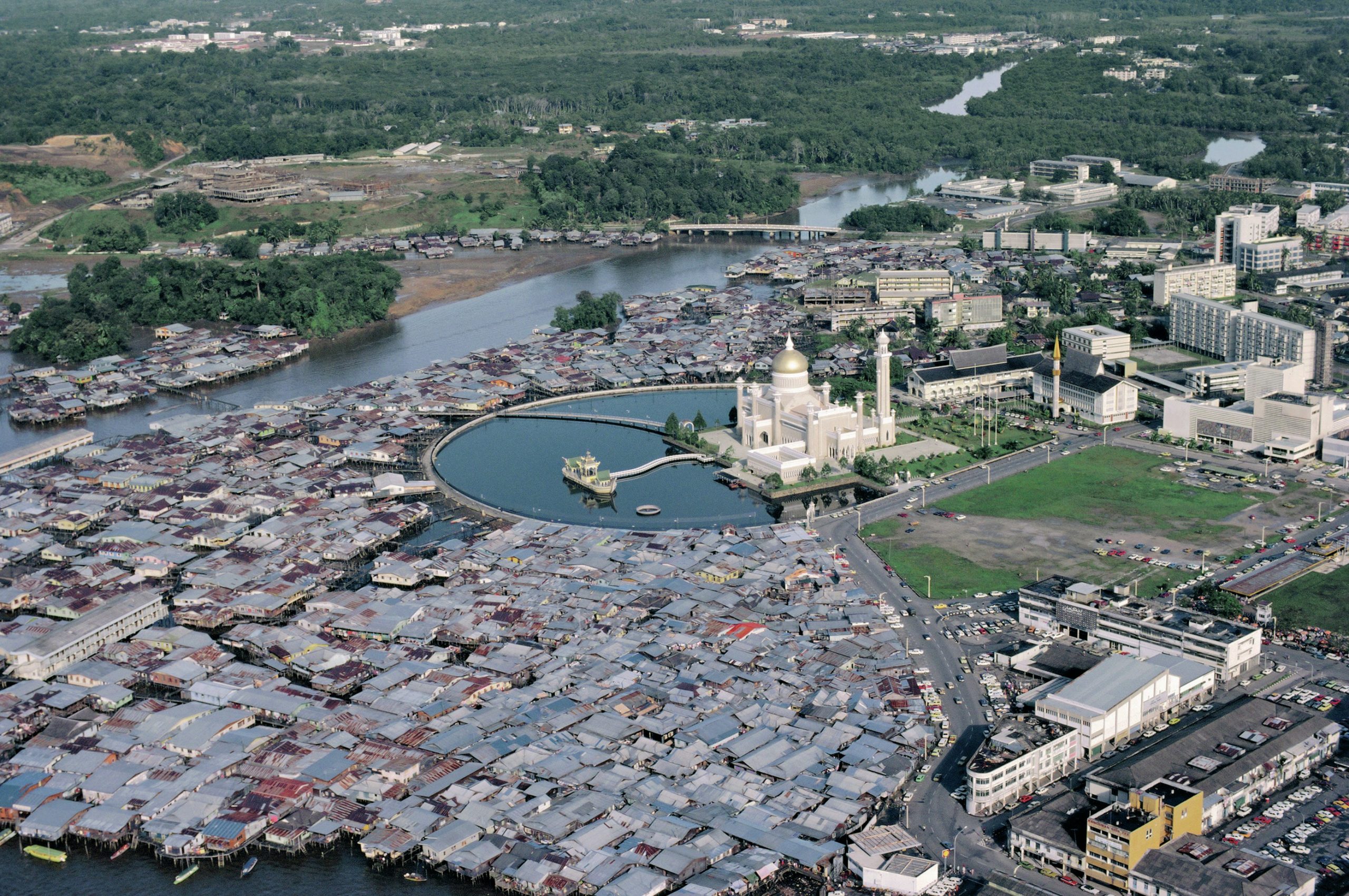
- Historic water villages
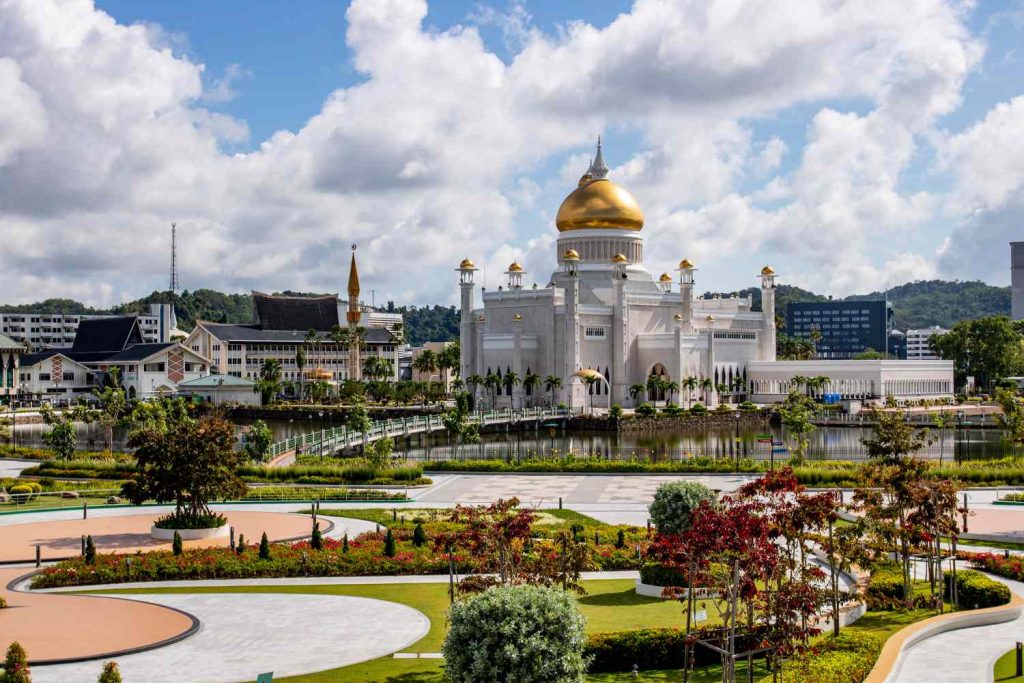
- Islamic architecture and grand mosques
- River-based adventures
- Peaceful and uncrowded destinations
Ulu Temburong National Park is among the country’s major attractions, offering visitors the opportunity to travel by river, explore rainforest landscapes, and enjoy panoramic views from the forest canopy.
Neighbouring Markets Lead Visitor Arrivals
Malaysia remains one of its major tourism markets, followed by Singapore, China, Indonesia, and the Philippines.
Business travellers associated with the energy sector continue to represent an important market, while ecotourists, wildlife enthusiasts, divers, photographers, and nature travellers are becoming increasingly important visitor segments.
Safety Strengthens Brunei’s Tourism Appeal
Brunei’s reputation as one of Asia’s safest countries is another major advantage.
Low levels of violent crime, modern infrastructure, well-maintained roads, quality healthcare, and political stability make the country attractive to travellers seeking a peaceful holiday environment.
As a conservative Muslim country, Brunei expects visitors to respect local customs. Modest dress is encouraged, alcohol is generally unavailable for public sale, and Islamic traditions remain an important part of daily life.
Brunei Targets Responsible Tourism Growth
The country is now seeking to expand its tourism profile without abandoning the characteristics that make it unique.
A new one-year project to pursue Global Sustainable Tourism Council (GSTC) certification for Ulu Temburong National Park and Luagan Lalak Recreational Park reflects Brunei’s growing focus on sustainable tourism.

The initiative is designed to support environmental protection, community wellbeing, and responsible tourism development.
A Different Tourism Model in Southeast Asia
As travellers increasingly search for uncrowded destinations, authentic experiences, and sustainable travel options, Brunei believes its low-density tourism model could become a major advantage.
Rather than competing with the region’s mass tourism destinations, the “Abode of Peace” is carving out a distinct identity based on tranquillity, conservation, cultural authenticity, and responsible travel.