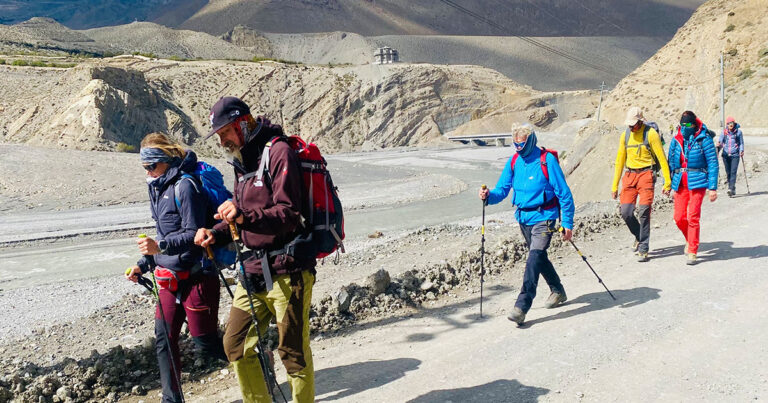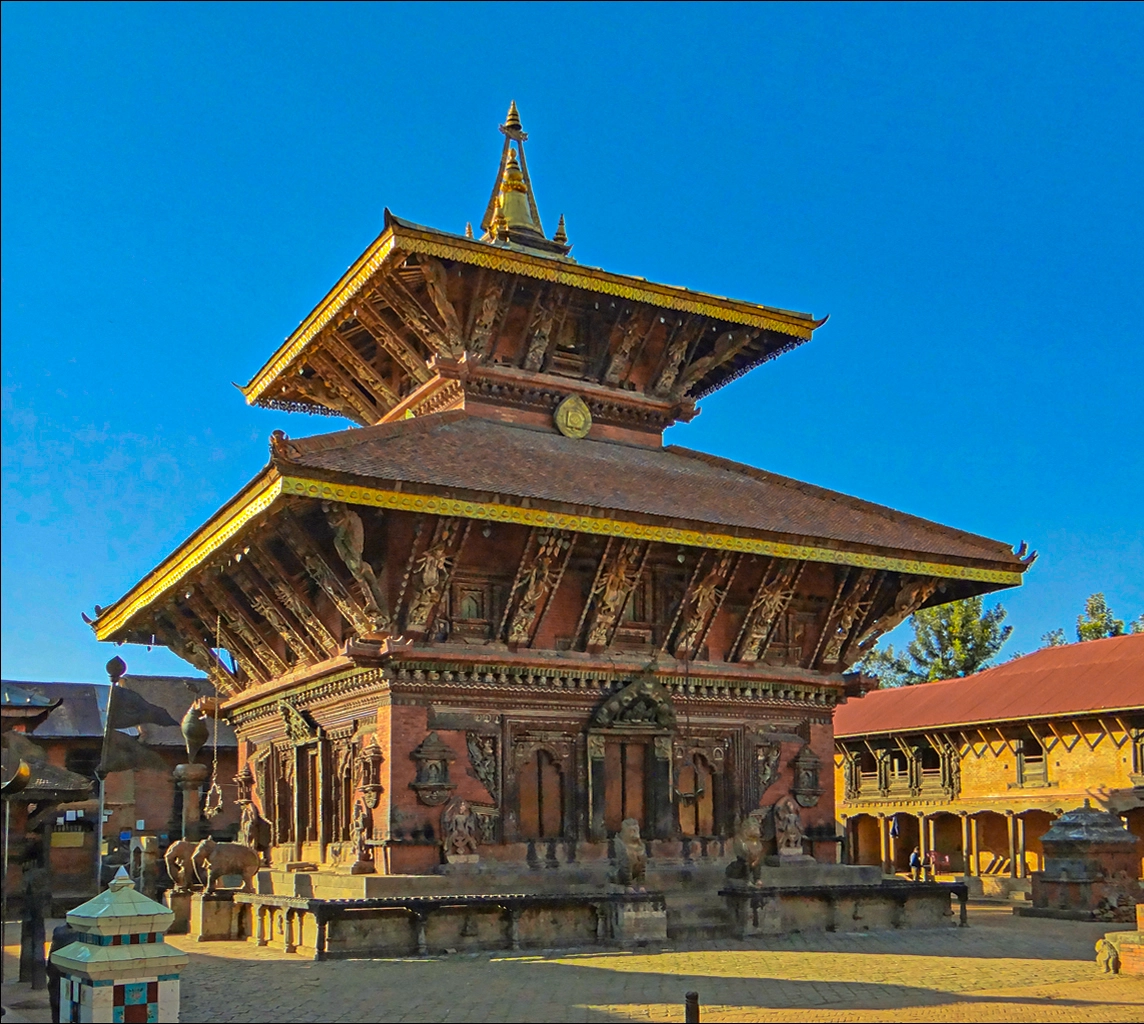
The historically and culturally significant Changunarayan Temple, listed on the UNESCO World Heritage List, recorded the arrival of 31,225 foreign tourists over the past year. This ancient temple, located in the scenic surroundings of Bhaktapur, continues to attract a large number of visitors due to its spiritual aura, ancient architecture, and religious significance.
According to Sabita Basnet, Head of the Changunarayan Tourist Information Center, the majority of visitors were from European countries, totaling 25,459 tourists, while 5,756 tourists arrived from India and other SAARC nations. The data reflects a rising global interest in Nepal’s cultural heritage, especially among European travelers seeking authentic religious and historical experiences.
Tourism Revenue Surpasses Rs 11.9 Million
The influx of foreign visitors has significantly contributed to local revenue. As per the official report, Changunarayan Temple collected a total of Rs 11,910,400 in tourism fees during the past year. Tourists from India and other SAARC countries were charged an entry fee of Rs 300 per person, resulting in a collection of Rs 1,726,800. Meanwhile, tourists from other parts of the world, mostly from Europe, paid Rs 400 per person, generating Rs 10,183,600 in revenue.
This revenue has been instrumental in funding heritage conservation and community development initiatives, affirming the temple’s importance not only as a religious destination but also as a driver of sustainable tourism.
Municipality Investing in Heritage Conservation and Local Development
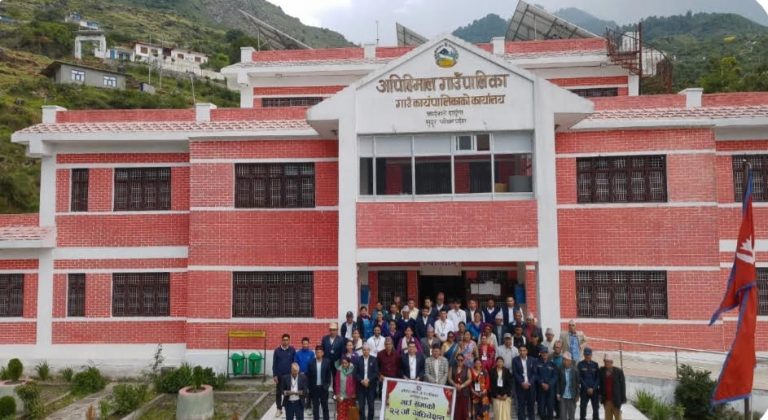
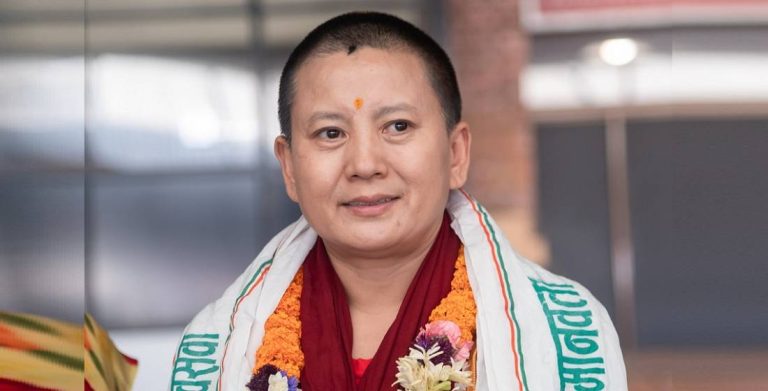
Speaking on the utilization of the collected tourism fees, Jeewan Khatri, Mayor of Changunarayan Municipality, said that the revenue is being allocated to the development of the Changunarayan area and other historical, religious, archaeological, and touristic sites within the municipality. He emphasized that this reinvestment strategy ensures the preservation of Nepal’s cultural legacy while uplifting the living standards of the local communities.
Mayor Khatri noted that the temple holds immense cultural and historical value, being one of the oldest Hindu temples in Nepal dedicated to Lord Vishnu. He shared that the municipality has developed a long-term plan to not only maintain the structural integrity of the temple but also to enhance visitor experience through improved infrastructure, signage, guided tours, and local engagement.
Changunarayan: A Living Heritage and Tourism Magnet
Located atop a hill about 12 kilometers east of Kathmandu and surrounded by the charming village of Changunarayan, the temple is more than just a religious site. It is a living museum that showcases Lichhavi-era inscriptions, stone sculptures, and intricate wooden carvings, many of which date back over 1,500 years.
Despite being affected by the 2015 earthquake, the site has been gradually restored through joint efforts of the government, international agencies, and the local community. The recent influx of foreign visitors and tourism revenue signals a successful revival and growing appreciation of this spiritual monument.
Need for Promotion and Sustainable Tourism Practices
Experts have stressed the need to further promote Changunarayan Temple through targeted tourism campaigns, especially in international markets. While the growing number of European tourists is encouraging, stakeholders believe that showcasing the temple’s significance in global travel expos, online platforms, and heritage circuits could further boost its visibility.
There is also a call for sustainable tourism practices to ensure that the increased footfall does not compromise the heritage value of the temple. Local authorities are being urged to implement visitor management systems, waste disposal mechanisms, and conservation-friendly tourism policies.
Empowering the Local Economy through Tourism
Beyond cultural conservation, the rise in tourist arrivals has also positively impacted the local economy. Homestays, local eateries, souvenir shops, and guided tour services have all benefited from the tourist flow. The community’s active participation in tourism has helped create employment opportunities and promote traditional arts and crafts.
Women’s groups and youth clubs in the Changunarayan area have also taken initiatives to welcome tourists with cultural performances and locally made handicrafts, giving tourists a richer experience and allowing locals to share their cultural heritage meaningfully.
Looking Ahead: A Temple with Global Appeal
As Changunarayan Temple continues to draw admiration from around the world, it serves as a symbol of Nepal’s rich past and resilient future. The effective management of tourist revenue, combined with community involvement and heritage conservation, presents a model for how sacred heritage sites can be preserved while also fueling economic development.
With continued support from government authorities, heritage experts, and the international tourism community, Changunarayan Temple is poised to become not just a national pride, but a global icon of religious and cultural tourism in the years to come.