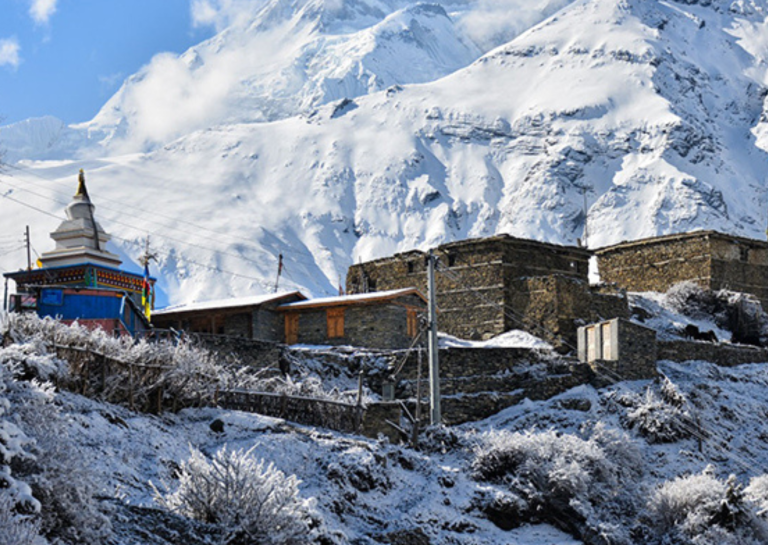
Kanchenjunga Base Camp’s Oktang area recently became the site of a significant environmental cleanup organized by the Health, Environment, and Climate Action Foundation (HECAF 360). The initiative, conducted in collaboration with local authorities and supported by Irish Aid, focused on reducing waste and promoting sustainable management practices in one of the world’s most iconic Himalayan regions, in association with FSFAR. The cleanup marks a crucial step in ongoing efforts to preserve the fragile high-altitude ecosystem and educate local communities and visitors about environmental stewardship.
Preserving the Himalayas Through Waste Management
HECAF 360 has long been engaged in initiatives to minimize the environmental footprint of human activity on health, ecosystems, and the climate. Under its flagship Zero Waste Himalayan Initiative, the organization carried out a comprehensive cleanup drive at Kanchenjunga Base Camp, focusing on collecting, classifying, and safely managing waste. Alongside hands-on cleanup, the team conducted an assessment of existing waste conditions to inform future environmental interventions in the region.
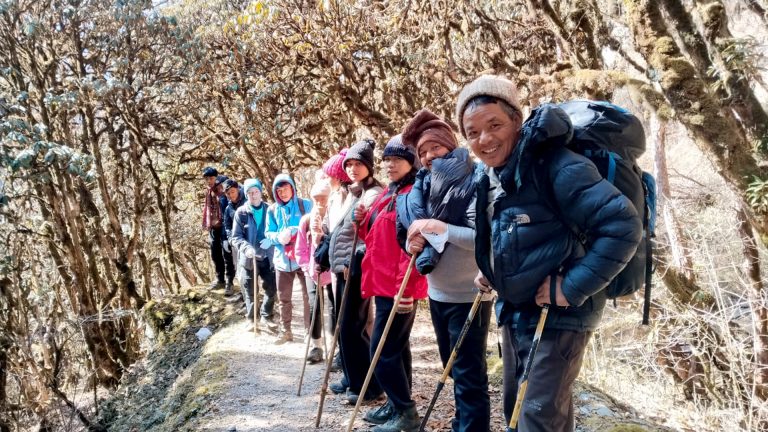
During a program held in Phungling, HECAF 360 Executive Director Mochan Bhattarai emphasized that the expedition served as a pilot project to study waste patterns and management strategies at high-altitude regions. “Through this initiative, we aim to establish a model for sustainable practices and raise awareness about the critical need for proper waste management in the Himalayas,” he stated.
Engaging Communities and Youth
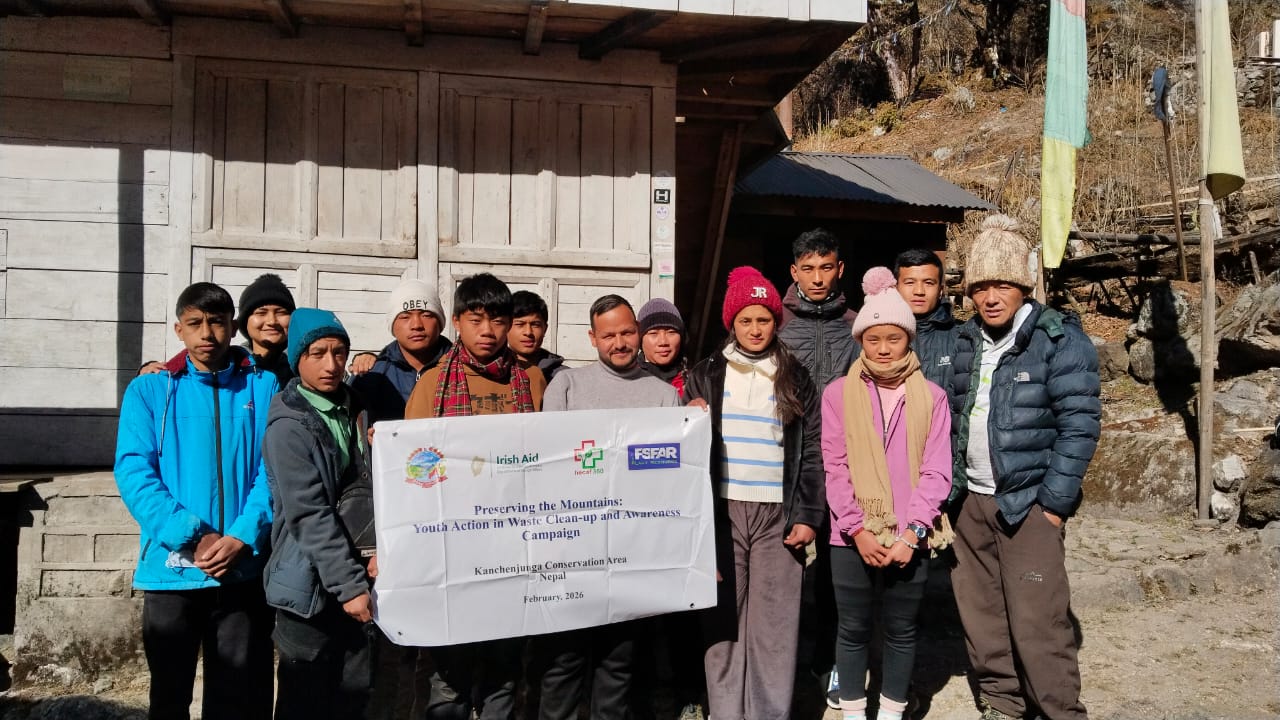
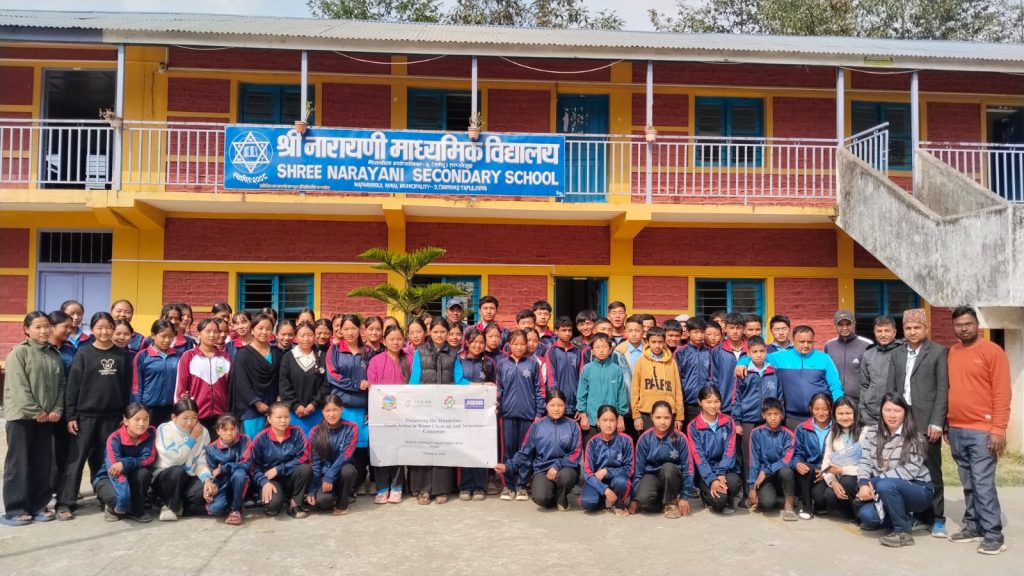
The cleanup drive, conducted under the theme “Youth Role in Mountain Conservation: Awareness and Waste Collection”, traced the trail from Yamphudin to Oktang, collecting plastic and other non-biodegradable waste along the route. Educational sessions were conducted to teach residents, school students, and trekkers about proper waste segregation, sustainable practices, and environmentally responsible tourism. The initiative actively involved local authorities, including representatives from the municipal education office, and seven student volunteers from nearby schools. Experienced mountaineers led the expedition, ensuring safety while effectively engaging participants in practical conservation activities.
Nature Conservationist/ Mountaineer Pk Sherpa, a key coordinator from the region, highlighted the significance of youth involvement in mountain conservation. Our mountains are not dumping grounds. Brands, communities, and visitors must take responsibility for protecting these fragile ecosystems.
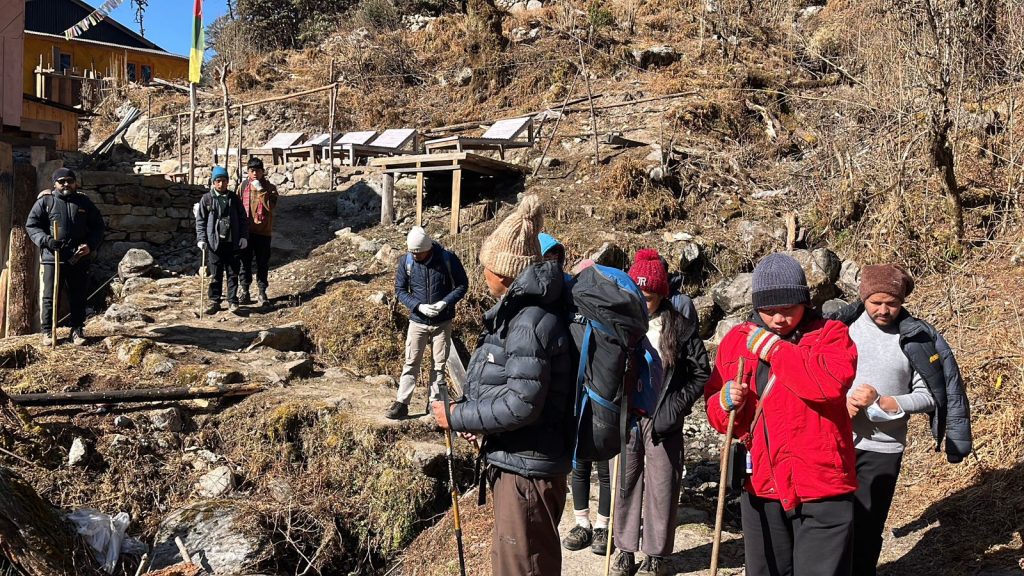
“This is my third cleanup at Kanchenjunga Base Camp, and the waste we collect is steadily decreasing thanks to growing awareness. Mountains aren’t dumping grounds; brands, communities, and adventurers must take responsibility. Every piece of plastic removed and every student educated helps protect Kanchenjunga for the future. Sustained effort truly makes a difference,” Mr. Sherpa stated.
Environmental Impact and Waste Audit
Throughout the campaign, the team collected approximately 27 kilograms of plastic waste from Kanchenjunga Base Camp and surrounding trails. Waste was meticulously segregated, with high-pollution materials transported back to Kathmandu for safe disposal.
The campaign also featured a plastic brand audit, designed to hold companies accountable for their environmental impact and to encourage responsible production and consumption practices in tourism-heavy areas. Beyond collection, the initiative included a plastic brand audit, aimed at holding companies accountable for their environmental footprint and promoting responsible tourism practices.
“HECAF 360, together with local youth groups, trekked not only to admire the natural beauty but also to protect it,” said expedition member Sherpa. The initiative underscored the urgency of coordinated efforts to prevent high-altitude ecosystems from becoming dumping grounds.
Strategic Planning for Sustainable Mountain Tourism
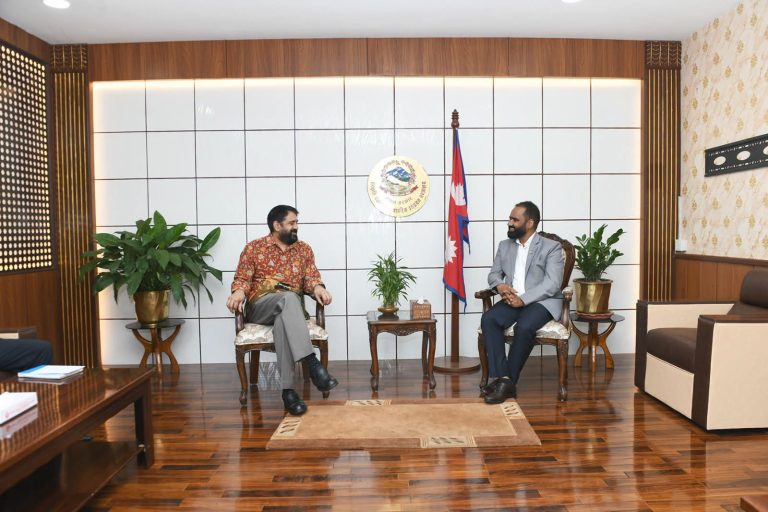
Following the cleanup, HECAF 360 engaged in discussions with the municipal vice-chairperson and local officials to evaluate environmental conditions, review the success of the cleanup, and plan further interventions. The collaboration with Sirijangha Rural Municipality ensures local ownership of conservation efforts and fosters ongoing participation from community members and students.
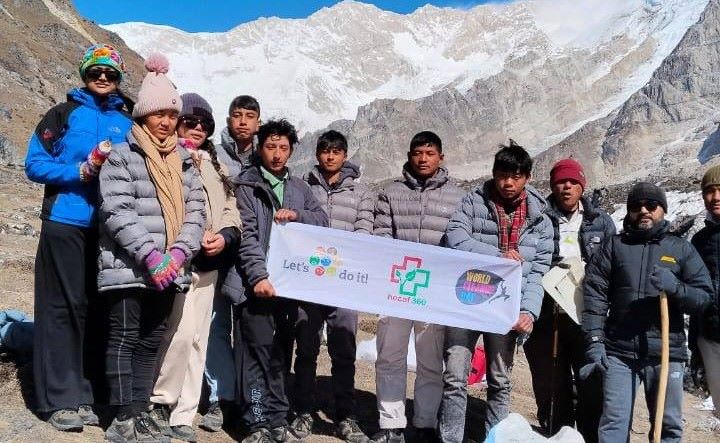
By combining hands-on cleanup efforts, environmental education, and advocacy, the HECAF 360 expedition at Kanchenjunga Base Camp provides a practical model for sustainable mountain tourism. The initiative demonstrates that preserving natural landscapes is as critical as exploring them, and emphasizes that strategic planning, youth engagement, and community involvement are key to achieving long-term environmental sustainability.
According to Sherpa, the project has inspired schools across the municipality to engage students in ongoing conservation programs, fostering awareness from an early age. The collaboration with Irish Aid has also provided essential financial and technical support, enabling HECAF 360 to expand its mission in high-altitude regions and ensure that future expeditions continue to prioritize both environmental preservation and education.