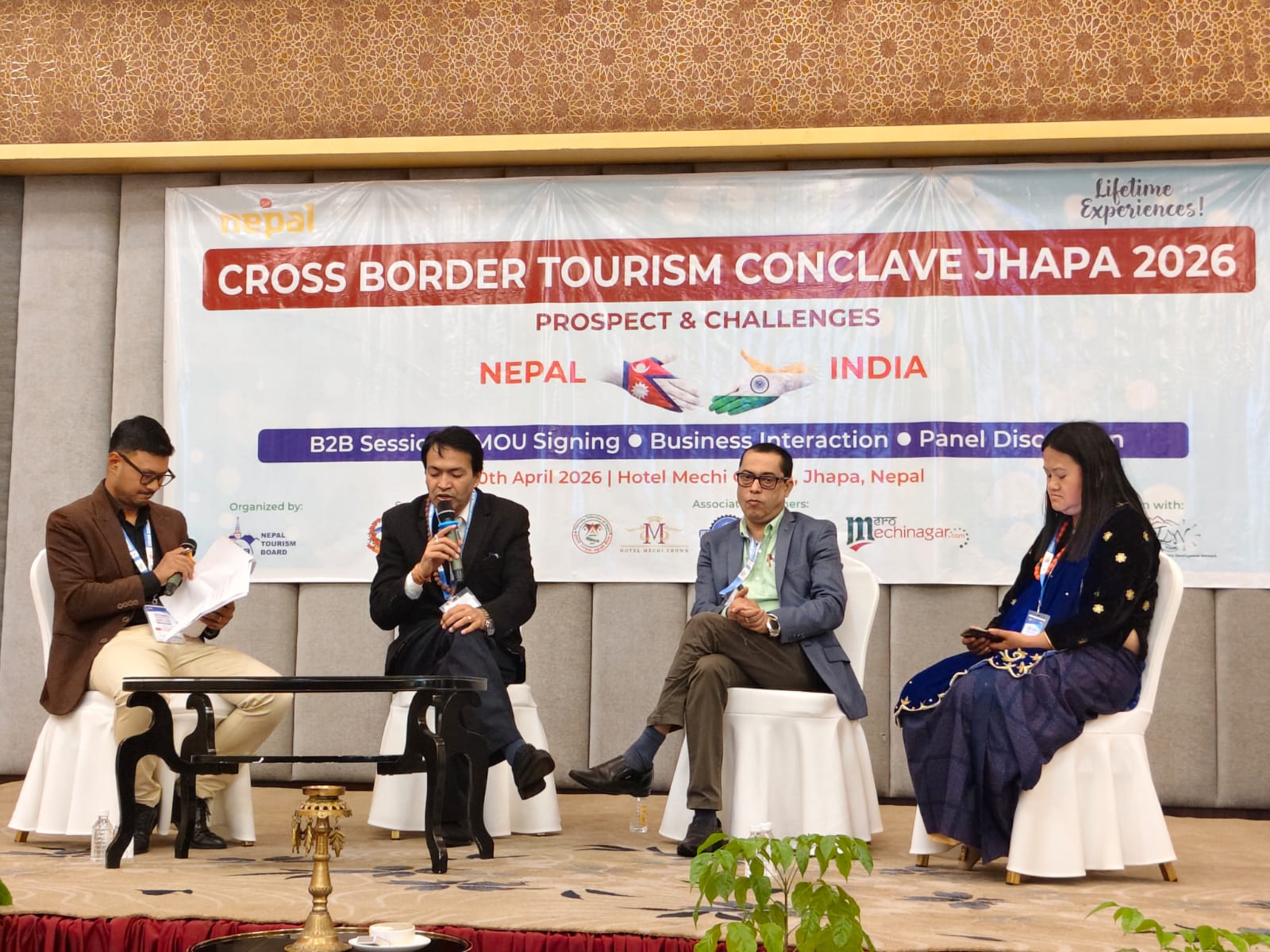
The third edition of the Cross-Border Tourism Conclave Jhapa-2026 concluded on Friday in Jhapa with a strong consensus on the need to strengthen Nepal–India tourism cooperation, improve infrastructure, and introduce policy reforms to unlock the full potential of cross-border travel. Jointly organized by the Nepal Tourism Board and the Tourism Office Kakarbhitta, the conclave was held at Hotel Mechi Crown, bringing together policymakers, tourism entrepreneurs, and industry experts from both countries to explore strategies for boosting regional tourism connectivity.
Focus on Policy Reform and Regional Tourism Growth
The conclave emphasized the importance of policy-level interventions, improved service delivery, and joint tourism promotion between Nepal and India. Participants highlighted that despite strong cultural and geographic ties, tourism potential between the two countries remains underutilized due to infrastructural and administrative bottlenecks.
Koshi Province Assembly Member Gopal Tamang stressed that cross-border tourism has already played a significant role in promoting Koshi Province, but raised concerns over the ineffective utilization of budgets allocated for the “Koshi Visit Year” campaign. He stated that positioning Jhapa as a tourism hub would require improved hospitality services, attractive travel packages, and timely policy reforms, along with a shift toward more tourist-friendly behavior from stakeholders.
Decentralization of Tourism and National Integration
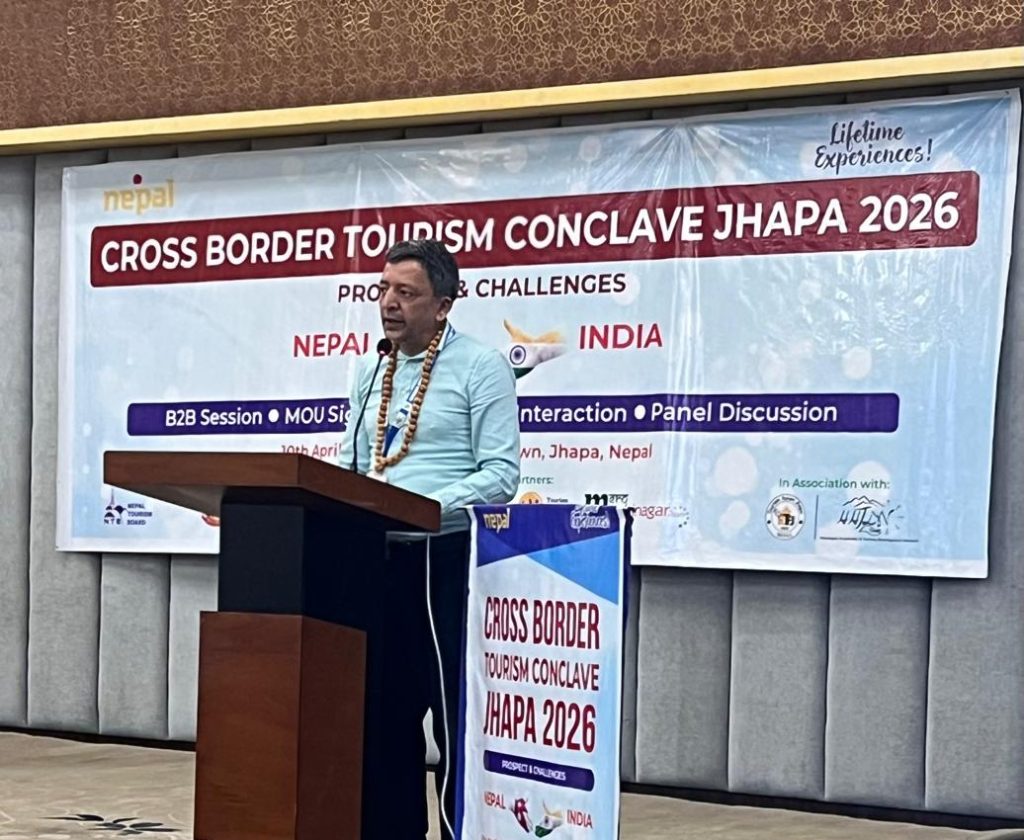
Speaking at the event, Sunil Sharma highlighted that the continuity of the conclave has helped decentralize tourism discussions beyond Kathmandu, strengthening regional participation in national tourism planning. He reaffirmed the Nepal Tourism Board’s commitment to integrating cross-border tourism into broader national frameworks, including coordination with the National Planning Commission, to ensure long-term strategic development.
Border Facilitation and Tourist Flow Data
Chief of the Immigration Office Kakarbhitta, Tulsi Bhattarai, assured participants that efforts are underway to simplify and streamline border movement for tourists. He noted that immigration services at Kakarbhitta operate daily from 7 a.m. to 7 p.m., ensuring accessibility for travelers.
Bhattarai shared that 1,005 foreign tourists entered Nepal through the Kakarbhitta border in Falgun alone. From Shrawan to Falgun, the total number of foreign arrivals via this point reached 6,791, with projections indicating that the figure could surpass 9,000 by the end of the current fiscal year. He also encouraged Indian tour operators to channel more international tourists into Nepal through this border point, highlighting its strategic importance.
Untapped Potential of Cross-Border Tourism
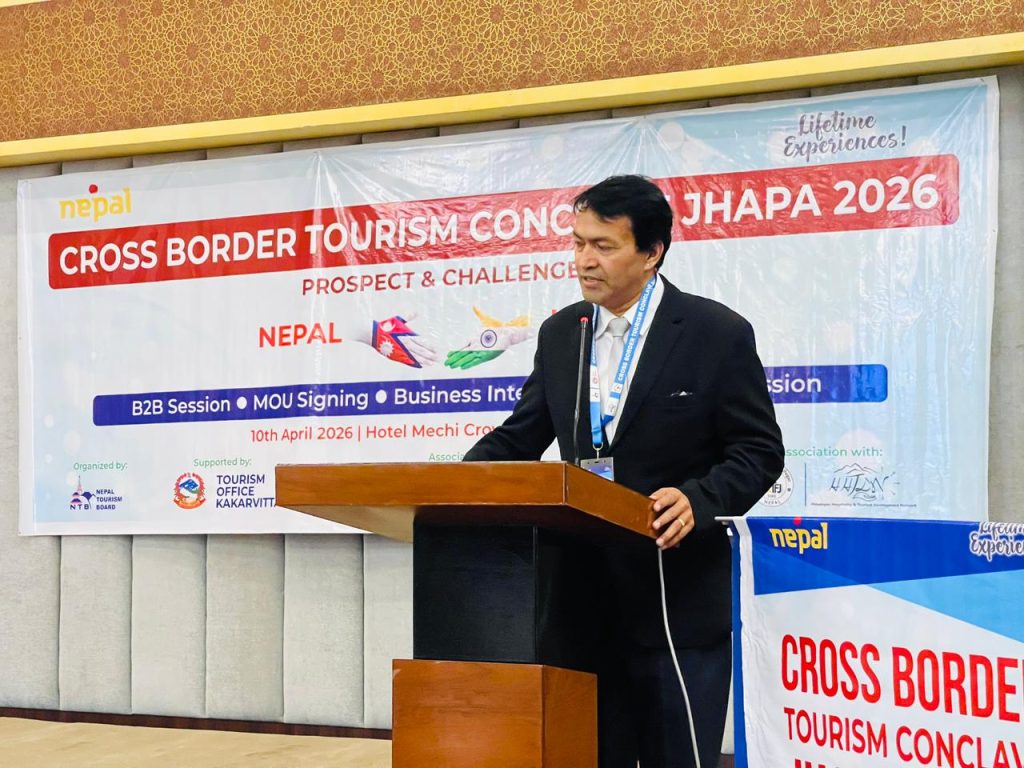
Surya Thapaliya acknowledged that Nepal has not yet fully realized the potential of cross-border tourism. Welcoming delegates from both countries, he emphasized that India remains Nepal’s largest source market, with more than three million Indian tourists estimated to visit annually, although precise figures remain unclear due to the open border system.
He underscored the need for improved coordination among stakeholders, enhanced mobility, and a more welcoming tourism environment. Thapaliya also called for greater promotion of destinations outside Kathmandu, particularly in Koshi Province, to diversify tourist flows and extend visitor stays.
Call for Joint Tourism Products and Policy Coordination
General Secretary of the Himalayan Hospitality and Tourism Development Network (HHTDN) Samrat Sanjyal called for the joint development of tourism products between Nepal and India. He noted that bilateral promotion efforts have been limited over the past decade and described the conclave as a rare but important platform for cooperation.
Sanjyal urged both governments to remove policy barriers, simplify cross-border movement, and adopt coordinated tourism-friendly policies. He emphasized that unity and collaboration are essential for maximizing regional tourism growth in an increasingly competitive global market.
Private Sector Perspective and Investment Growth
President of the Federation of Nepalese Chambers of Commerce and Industry (Koshi Province) Rishiraj Timilsina stated that the conclave has positively influenced tourism development in the region over the past three years. He highlighted the growing role of private sector investment in tourism infrastructure and services, noting that innovative travel packages are essential to extend tourist stays and enhance economic benefits for local communities.
Connectivity, Infrastructure, and Digital Transformation
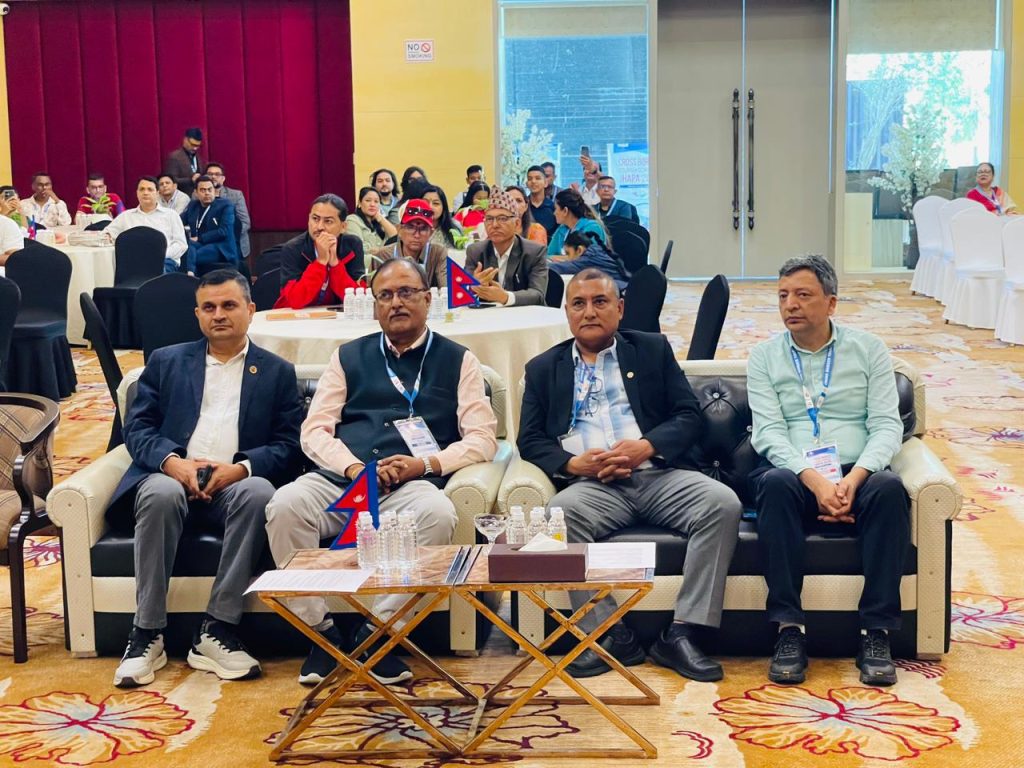
During the conclave, participants identified the under-construction Asian Highway network as a potential “game changer” for regional tourism connectivity. They expressed confidence that once fully operational, it would significantly increase tourist movement between Nepal and India, particularly through eastern entry points like Jhapa.
Speakers also emphasized the need for a single-window system to simplify tax and fee payments, improve border efficiency, upgrade infrastructure, and expand digital systems to enhance the tourist experience. Ensuring consistency in service delivery and fostering a more welcoming environment were highlighted as key priorities for sustainable tourism growth.
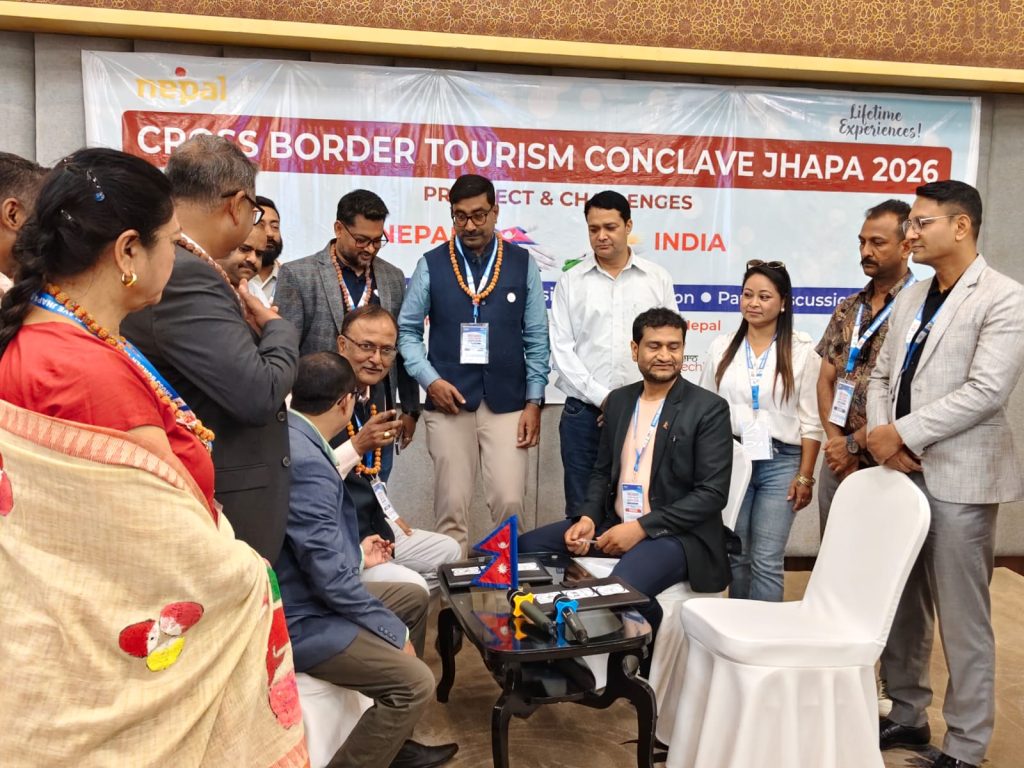
MoU Signing and Cross-Border Collaboration
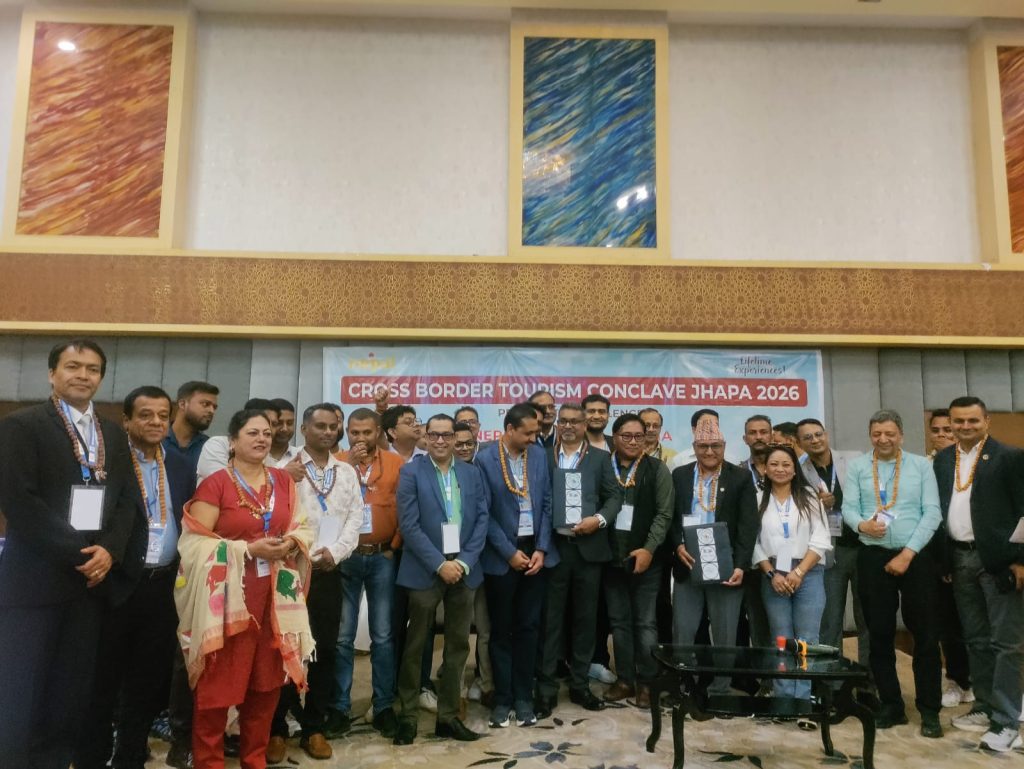
A key highlight of the conclave was the signing of a bilateral Memorandum of Understanding (MoU) between Tourism Network Jhapa and HHTDN India. The agreement focuses on joint destination promotion, cross-border tourism expansion, exchange programs, and policy advocacy aimed at improving regional tourism cooperation.
Showcasing Koshi Province’s Tourism Potential
The event also featured video presentations showcasing tourism destinations in India’s Bihar, Sikkim, and West Bengal, alongside Nepal’s Koshi Province. A photo exhibition further highlighted the natural, cultural, and adventure tourism potential of the region, reinforcing Jhapa’s position as an emerging cross-border tourism hub.
With participation from around 60 tourism entrepreneurs from India, the conclave concluded on a hopeful note, signaling stronger collaboration and a shared vision for developing sustainable and integrated tourism between Nepal and India.