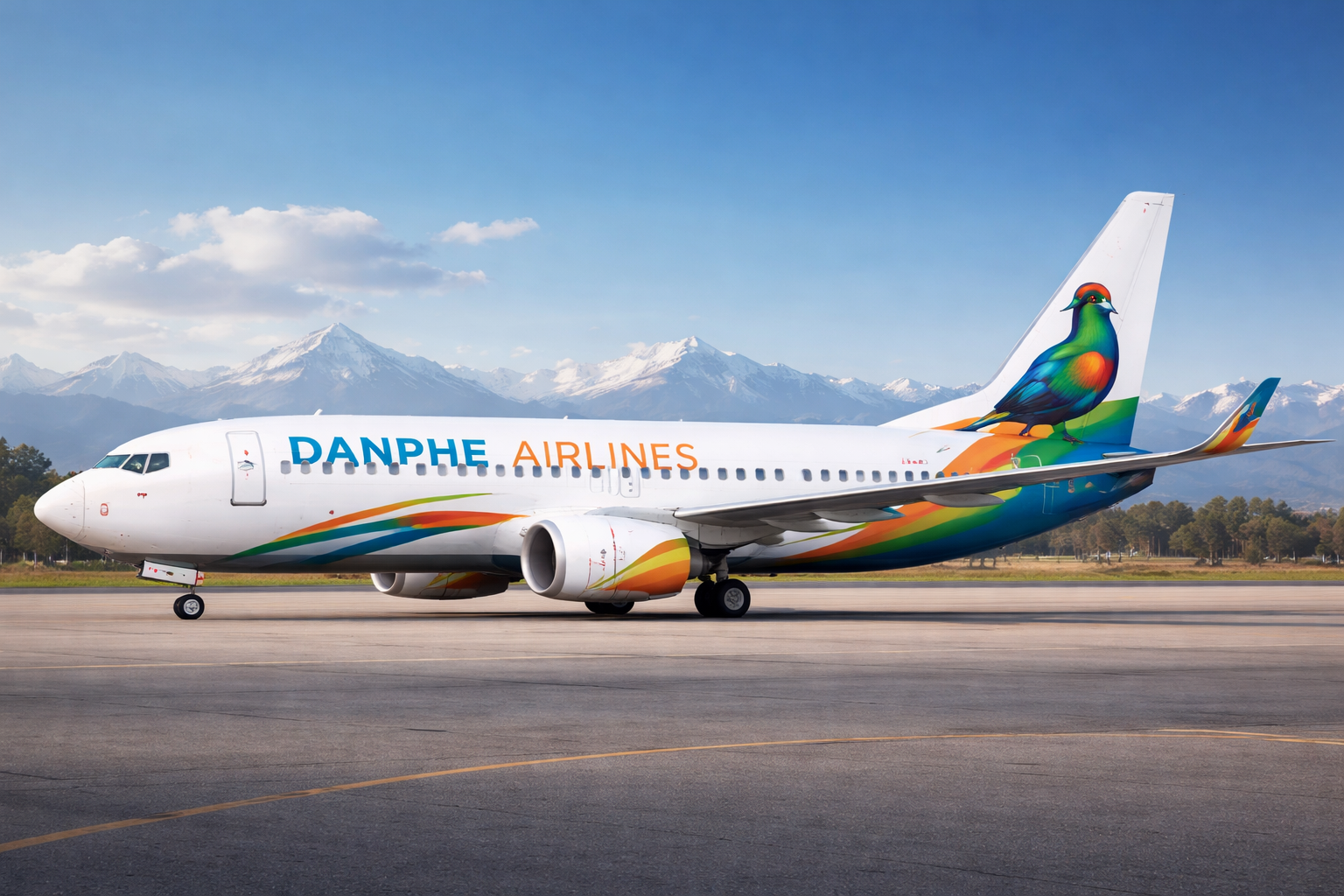
Nepal’s aviation sector is set to welcome a new player as Danphe Airlines prepares to commence operations, with a clear focus on improving domestic air connectivity and gradually expanding to nearby international destinations. The airline, positioning itself as a boutique carrier, aims to serve major trunk routes while supporting the broader growth and modernization of Nepal’s aviation industry.
A New Entrant in Nepal’s Skies
Danphe Airlines is an emerging domestic airline based in Kathmandu, established to enhance reliable air links between Nepal’s key commercial, tourism, and regional hubs. The carrier plans to deploy a fleet of ATR 72 series aircraft, well-suited to Nepal’s challenging geography and short runway airports.

According to available plans, Danphe Airlines intends to operate five ATR 72-212A aircraft, with reports also indicating long-term ambitions to induct up to six ATR 72-600 aircraft. These turboprop aircraft are widely used in mountainous regions due to their fuel efficiency, strong performance on short runways, and operational reliability.
Planned Routes and Network Expansion
In its initial phase, Danphe Airlines aims to focus on major domestic trunk routes, which consistently witness high passenger demand. Proposed destinations include Pokhara, Biratnagar, Bhairahawa, Nepalgunj, and Tumlingtar, alongside Kathmandu as the primary hub.
Beyond regular point-to-point services, the airline is also planning to conduct mountain flights, catering to tourists seeking aerial views of Nepal’s Himalayan landscape. Such flights are expected to complement Nepal’s tourism offerings, especially for visitors with limited time.
Looking ahead, Danphe Airlines has expressed intentions to expand services to nearby international destinations, positioning itself as a niche regional carrier once its domestic operations stabilize and regulatory approvals are secured.
Fleet Choice and Operational Strategy
The selection of the ATR 72-600 reflects a strategic decision aligned with Nepal’s operational environment. These aircraft are known for lower operating costs, reduced fuel consumption, and the ability to operate efficiently from airports with limited infrastructure. This makes them particularly suitable for Nepal’s secondary cities and regional airports.
By deploying a standardized fleet, Danphe Airlines aims to simplify maintenance, improve operational efficiency, and ensure consistent service quality across its network.
Regulatory Progress and Background
Danphe Airlines is linked to the rebranding of the former Makalu Air, marking a fresh chapter under new ownership and management. The airline is currently working toward obtaining its Air Operator Certificate (AOC) from the Civil Aviation Authority of Nepal (CAAN), a mandatory requirement before commencing commercial flights.
Industry observers note that the airline has made progress in meeting regulatory and operational prerequisites, though the final timeline will depend on CAAN’s certification process and aircraft readiness.
Management Vision and Brand Identity
Backed by a new management team, Danphe Airlines is positioning itself with a strong emphasis on safety, reliability, and passenger comfort. Operating under the tagline “Fly Different,” the airline aims to differentiate itself through service quality rather than scale alone.
Management has indicated that adopting international best practices, investing in crew training, and maintaining strict safety standards will be central to the airline’s operating philosophy.
Impact on Nepal’s Aviation Sector
The entry of Danphe Airlines comes at a time when Nepal’s domestic aviation market is witnessing renewed demand, driven by tourism recovery, regional mobility, and economic activity. Increased competition is expected to improve flight frequency, enhance service standards, and provide passengers with more travel options.

If successfully launched, Danphe Airlines could play a meaningful role in strengthening air links between Nepal’s major cities and remote regions, while also laying the groundwork for regional connectivity beyond national borders.
As Nepal continues to modernize its aviation landscape, the upcoming launch of Danphe Airlines signals growing confidence in the sector and highlights the continued importance of air transport in supporting tourism, trade, and regional development.