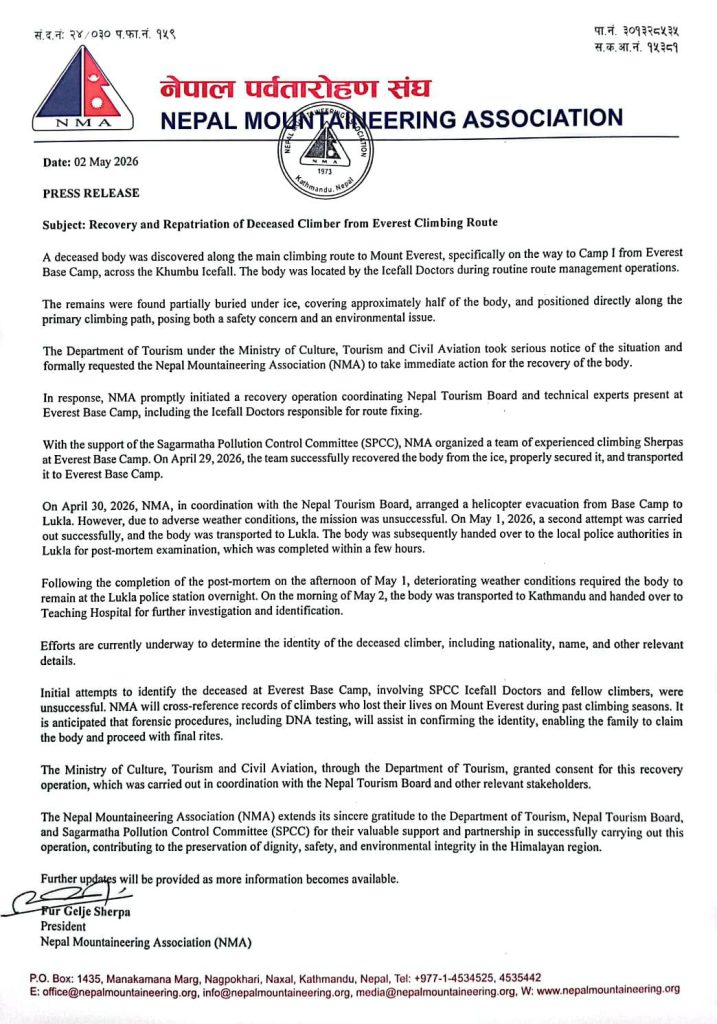
A dead body discovered along the climbing route of Mount Everest in the Khumbu Icefall has been successfully recovered and airlifted to Kathmandu, according to Nepal’s Department of Tourism. The recovery operation was carried out through coordinated efforts involving the Nepal Mountaineering Association (NMA), Nepal Tourism Board (NTB), the Expedition Operators’ Association of Nepal, and the Sagarmatha Pollution Control Committee (SPCC).
Body Found Along Main Climbing Route
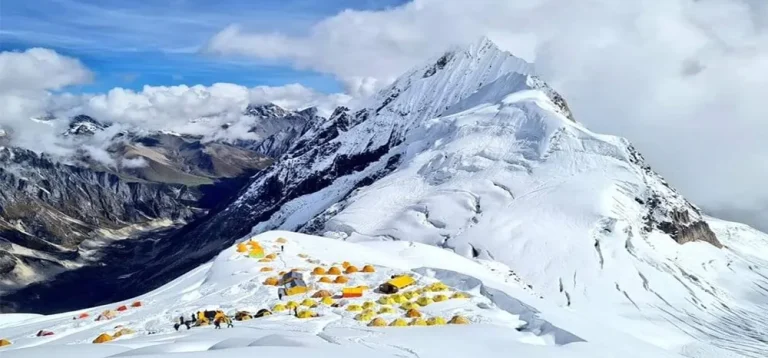
The remains were discovered by SPCC’s Icefall Doctors during routine route maintenance operations in the Khumbu Icefall, specifically along the main trail leading from Everest Base Camp to Camp I. The body was partially buried under ice and positioned directly on the primary climbing path, posing both a safety risk to climbers and an environmental concern. Following the discovery, the Department of Tourism, under the Ministry of Culture, Tourism and Civil Aviation, directed immediate action for recovery.

Challenging Recovery Operation Conducted
In response, the Nepal Mountaineering Association mobilized a team of experienced Sherpa climbers at Everest Base Camp. On April 29, 2026, the team successfully retrieved the body from the ice and transported it to Base Camp after securing it properly.
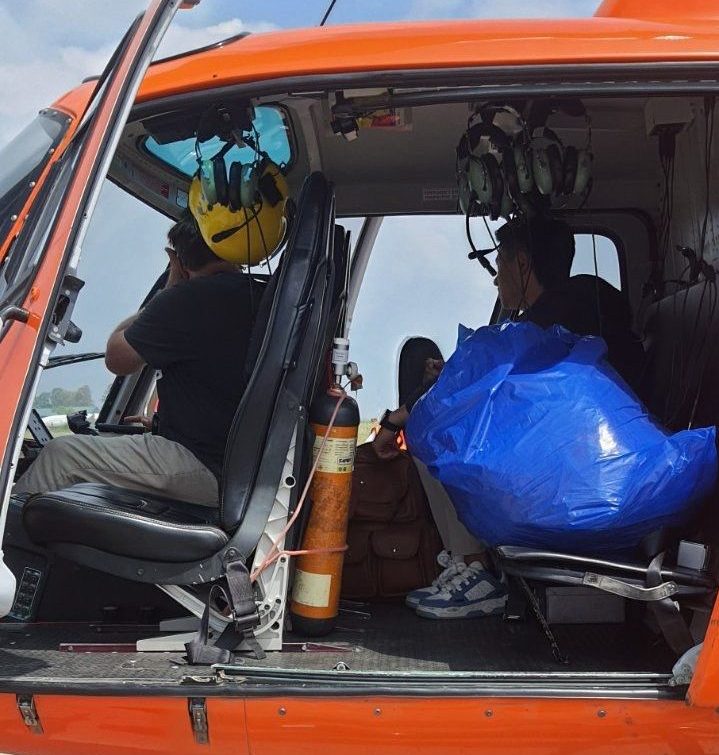
Subsequent efforts were made to airlift the body. An initial helicopter evacuation attempt on April 30 was unsuccessful due to adverse weather conditions. However, a second attempt on May 1 succeeded, allowing the remains to be transported to Lukla.
Post-Mortem and Transfer to Kathmandu
Upon arrival in Lukla, the body was handed over to local police authorities, and a post-mortem examination was conducted shortly afterward. Due to deteriorating weather, the remains were kept overnight at the Lukla police station. On the morning of May 2, the body was airlifted to Kathmandu by an Annapurna helicopter at 10:35 a.m. and is currently being held at Teaching Hospital for further investigation.
DNA Testing Planned for Identification
According to NMA President Fur Gelje Sherpa, efforts are now underway to identify the deceased. Authorities plan to conduct DNA testing and cross-reference the results with records of climbers who went missing on Everest during previous climbing seasons.
Initial identification attempts at Base Camp, involving Icefall Doctors and fellow climbers, were unsuccessful. Officials expect that forensic analysis will play a crucial role in confirming the identity, including nationality and personal details, enabling the remains to be handed over to the family for final rites.

Coordination Among Key Stakeholders
The operation was carried out with approval from the Ministry of Culture, Tourism and Civil Aviation, with active coordination between multiple agencies and technical teams stationed at Everest Base Camp. The Nepal Mountaineering Association expressed gratitude to all supporting organizations, including the Department of Tourism, Nepal Tourism Board, and SPCC, for their collaboration in completing the complex recovery mission.
Ensuring Safety and Dignity in the Himalayas
Officials emphasized that such operations are essential not only for climber safety but also for maintaining environmental integrity and human dignity in the high-altitude mountaineering area. The successful recovery highlights Nepal’s growing capacity to respond to challenging situation in extreme himalayan environments while upholding international standards of mountaineering management and rescue operations.