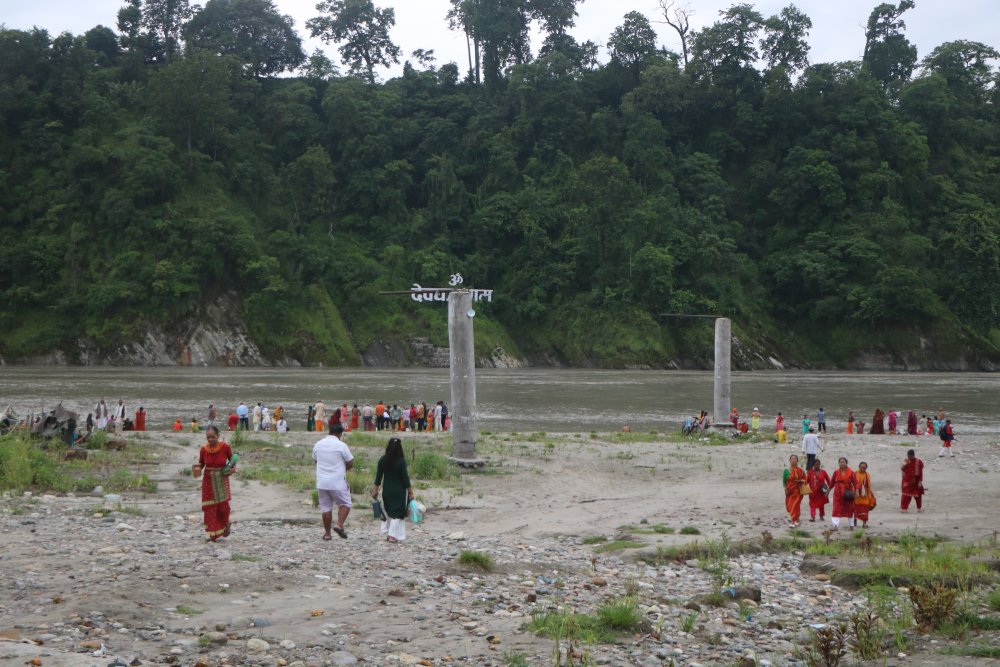
The sacred site of Devghat Dham has come alive with vibrant religious fervor as the annual Saun (Shrawan) Mela officially commenced today. From early morning, throngs of devotees have gathered in large numbers, filling the temple precincts and riverbanks with chants, prayers, and the unmistakable energy of a significant spiritual congregation. Alongside the Saun Mela, the much-awaited Bolbam Mela also started simultaneously, attracting devotees who undertake the traditional pilgrimage to honor Lord Shiva during this auspicious month.
Spiritual Significance of Saun and Devghat
The month of Saun (Shrawan) holds special importance in Hindu religious culture, revered as Lord Shiva’s favorite time. Devotees believe that observing fasts, performing rituals, and offering prayers to Shiva during this period bring blessings, fulfillment of desires, and spiritual merit. Devghat, situated at the confluence of the Kali Gandaki and Seti rivers, is one of Nepal’s most sacred pilgrimage sites, making it a magnet for worshippers during this holy month.
The devotees arriving at Devghat engage in ritual bathing in the sacred waters, believed to purify the soul and wash away sins. After the holy dip, they proceed to the Shivalaya (Shiva temple) to offer water, bel leaves, and prayers to Lord Shiva. This act of devotion, especially during Saun, is thought to bring divine blessings and prosperity.
Massive Gathering Anticipated Throughout Saun
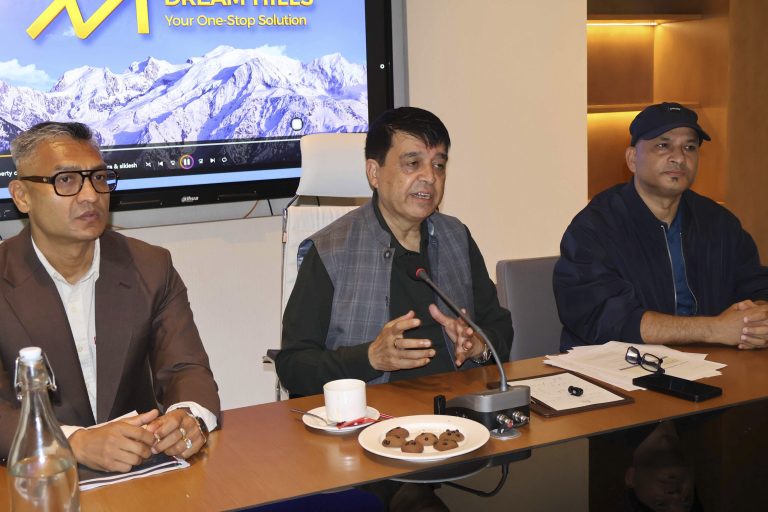
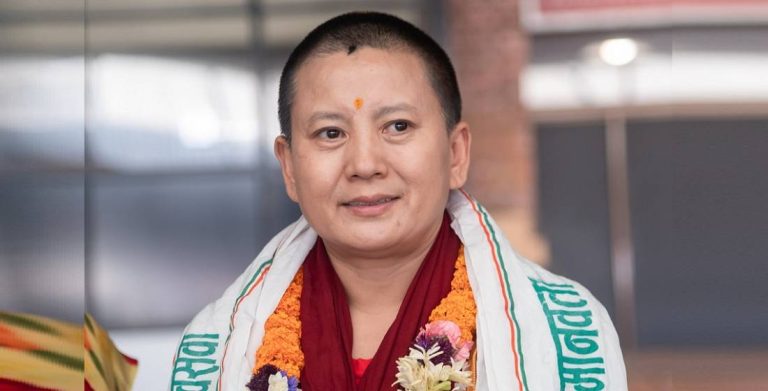
According to Sadan Baral, Executive Director of the Devghat Area Development Committee, the festival is expected to draw approximately five hundred thousand devotees throughout the month of Saun. The committee has been actively preparing to accommodate this large influx of visitors. “The crowd today has been remarkable, and we anticipate an even larger gathering on Monday,” Baral remarked, highlighting the surge in devotees as the festival progresses.
To ensure the safety and smooth management of this massive congregation, local authorities have coordinated extensively to put in place robust security and crowd control measures. Baral emphasized the joint efforts of the local administration, police, and community volunteers to maintain order, provide assistance, and facilitate the spiritual experience of every visitor.
Rituals and Traditions at Devghat
The Saun Mela revolves around deeply rooted Hindu customs and rituals. Devotees observe fasting (vrat) throughout the month, which often includes abstaining from certain foods and dedicating time to prayer and meditation. Bathing in the holy waters of Devghat during Saun is considered particularly auspicious, believed to cleanse both body and mind.
After the ritual bath, worshippers offer water and bel leaves to Lord Shiva in the temples scattered throughout the Devghat precinct. These offerings are symbolic gestures representing devotion and respect, and they are accompanied by chanting of Shiva mantras and hymns. Many devotees also participate in group prayers and religious discourses that take place during the festival.
The Bolbam Mela, which began alongside Saun, features devotees, often referred to as “Bolbam,” who undertake arduous pilgrimages carrying water from sacred rivers to pour on Shiva lingams as an act of penance and devotion. This ancient tradition draws people from various parts of Nepal and neighboring regions, creating a colorful and spiritually charged atmosphere.
Socio-Economic Impact of the Festival
The Saun Mela is not only a spiritual event but also a significant contributor to the local economy of Devghat and its surrounding areas. The influx of hundreds of thousands of devotees generates demand for lodging, food, transportation, and religious paraphernalia, benefiting local businesses and vendors. Temporary marketplaces spring up to cater to pilgrims’ needs, selling everything from religious items to traditional foods and souvenirs.
Local communities also find employment opportunities during the festival, serving as guides, vendors, and support staff for the event. The festival thus becomes a critical period for boosting livelihoods, especially in a region where tourism and religious pilgrimage form a substantial part of the economy.
Challenges and Management
Managing such a vast congregation poses logistical challenges, including ensuring cleanliness, safety, and the provision of essential services like drinking water, sanitation, and medical aid. The Devghat Area Development Committee, in collaboration with municipal authorities and security forces, has worked to improve infrastructure and facilities ahead of the festival.
Efforts include the installation of temporary shelters, expanded sanitation facilities, and increased medical posts. Volunteers and staff are deployed strategically to assist pilgrims, manage queues, and respond promptly to emergencies.
Despite these preparations, the sheer scale of the event requires constant vigilance and adaptation. Baral expressed confidence in the collective efforts, noting, “We urge all devotees to cooperate with the authorities, maintain cleanliness, and respect the sanctity of the site to ensure a safe and fulfilling experience for everyone.”
Cultural and Religious Unity
The Saun Mela at Devghat Dham serves as a powerful reminder of Nepal’s rich religious heritage and cultural unity. Pilgrims from diverse ethnic backgrounds, regions, and even neighboring countries converge in this sacred space, united by faith and devotion. The festival reinforces community bonds, revives ancient traditions, and inspires spiritual reflection.
For many devotees, participating in the Saun rituals at Devghat is a transformative experience, offering a chance to renew faith, seek blessings, and connect with the divine in a profound way. The festival’s atmosphere, marked by chants, prayers, and communal harmony, exemplifies the enduring spiritual spirit of the region.
As the Saun Mela and Bolbam Mela unfold at Devghat Dham, the site stands as a vibrant hub of devotion, tradition, and cultural celebration. The large gathering of pilgrims not only honors Lord Shiva but also energizes the local community, bolstering both spiritual and economic vitality.
With careful planning and community cooperation, the festival promises to continue its legacy as one of Nepal’s most cherished religious events, drawing countless devotees year after year to this sacred confluence of rivers and faith.