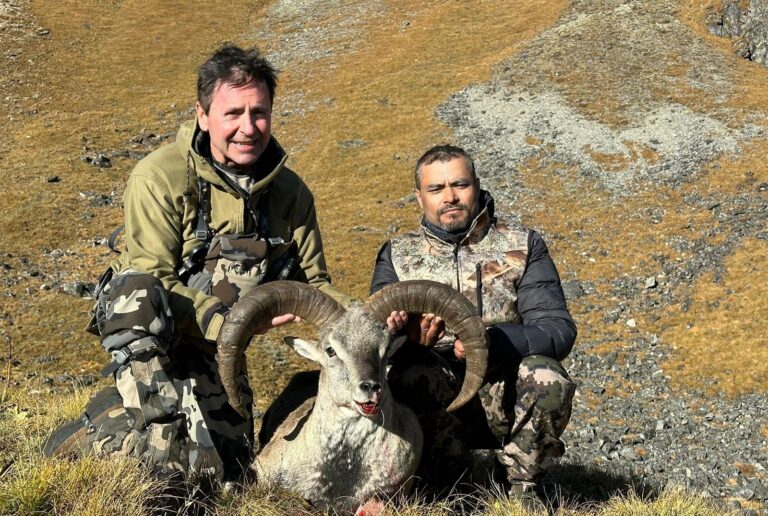
BAGLUNG: Nepal’s only legally designated hunting reserve, Dhorpatan Hunting Reserve, recorded the hunting of 21 blue sheep (naur) and 11 Himalayan tahrs (jharal) during the last fiscal year. Foreign hunters paid more than Rs 417 million? No, the total revenue was Rs 4.17 crore to the Department of National Parks and Wildlife Conservation through competitive hunting permits.
The reserve conducts hunting in two seasons each year, with permits allocated based on wildlife population assessments and conservation considerations.

Two Hunting Seasons Generate Over Rs 4.17 Crore
According to reserve officials, hunters paid Rs 3.03 crore in revenue during the first hunting season and Rs 1.43 crore during the second season, bringing total revenue to more than Rs 4.17 crore.
During the first hunting season, from October to December, permits were issued for 11 blue sheep and eight Himalayan tahrs. Foreign hunters who arrived through different hunting companies successfully hunted eight blue sheep and five Himalayan tahrs.
Although fees had been paid for all permitted hunts, three blue sheep and three Himalayan tahrs could not be hunted during the first season.
The second hunting season, which runs from February to April, saw permits issued for 14 blue sheep and 10 Himalayan tahrs. Hunters successfully hunted 13 blue sheep and six Himalayan tahrs during the season. One blue sheep and four Himalayan tahrs could not be hunted during the second season due to technical and other difficulties.
Weather, Health and Technical Issues Affect Hunts
Dhorpatan Hunting Reserve ranger Sagar Subedi said several factors prevented hunters from completing all the hunts for which permits had been issued.
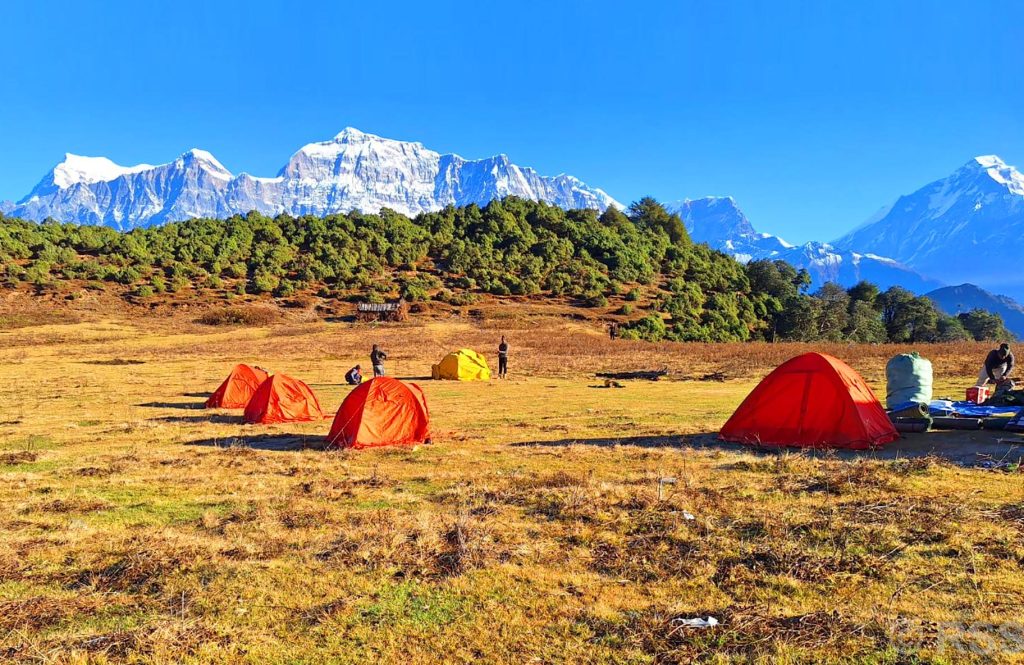
According to Chief Conservation Officer Anantha Baral, problems with ammunition and firearms, illness among hunters, changing weather conditions and missed shots were among the major reasons some permitted hunts could not be completed.
The reserve deploys its staff and porters accompanying hunting teams to designated hunting blocks to provide logistical support and guidance during the hunting period.
Foreign Hunters Pay Premium Fees
Dhorpatan is the only place in Nepal where regulated hunting is legally permitted. Foreign hunters travel to the reserve through competitive bidding and pay substantial fees for hunting permits.
Hunters from countries including the United States, Spain, the Netherlands and Mexico have been visiting Dhorpatan to hunt blue sheep and Himalayan tahrs.
Commercial foreign hunting companies generally send representatives and hunting teams to the reserve by helicopter. Hunters themselves bear the costs associated with helicopters, guides, porters, equipment, logistics and other expenses. According to the reserve office, a hunter typically spends between Rs 20 lakh and Rs 35 lakh during a 15-day hunting expedition.

Hunting Quotas Set Based on Wildlife Population
The Department of National Parks and Wildlife Conservation determines the annual hunting quota after assessing the population of blue sheep and Himalayan tahrs in the reserve. Dhorpatan Hunting Reserve is divided into seven hunting blocks: Seng, Barse, Surtibang, Phagune, Ghustung, Dogadi and Sundah.
The quota system is intended to regulate hunting based on wildlife populations while maintaining the reserve’s conservation objectives. Dhorpatan’s regulated hunting program has also become a source of government revenue and a niche tourism activity, attracting high-paying international hunters to the remote Himalayan region.