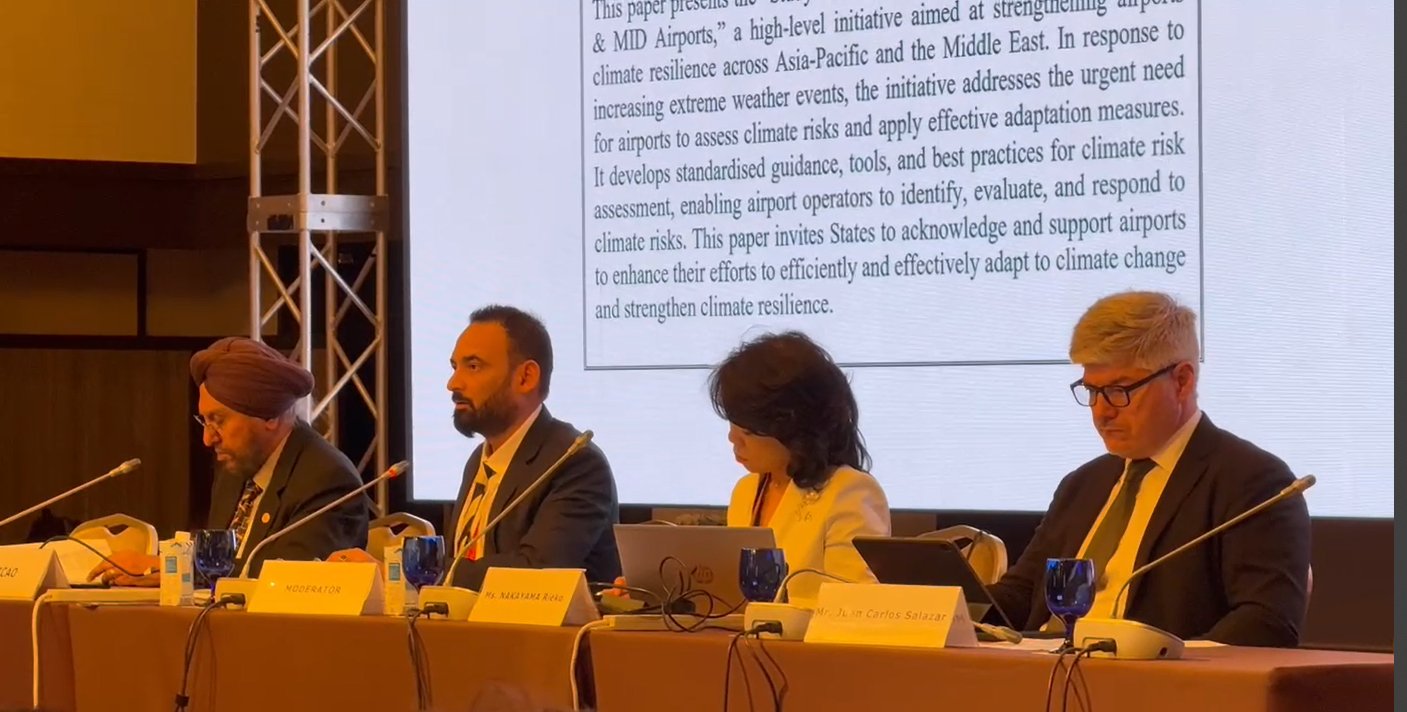
Director General of the Civil Aviation Authority of Nepal (CAAN), Pradeep Adhikari, has issued a compelling call for immediate and strengthened regional cooperation to tackle the escalating impacts of climate change. Addressing the 60th Conference of Directors General of Civil Aviation organized by the International Civil Aviation Organization (ICAO) in Japan, Adhikari highlighted the urgent environmental challenges faced by Nepal and the broader Asia-Pacific region due to climate change. Moderating a critical session focused on aviation and the environment, he underscored that aviation, while a significant driver of economic development, is deeply affected by and also contributes to climate change.
Nepal’s Direct Experience with Climate Change and Aviation Disruptions
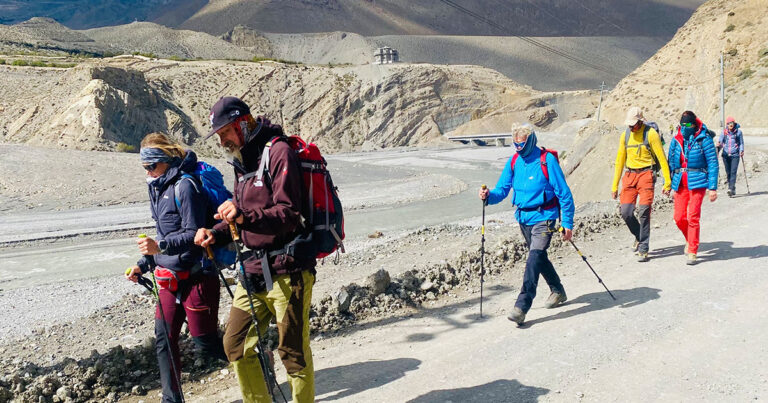
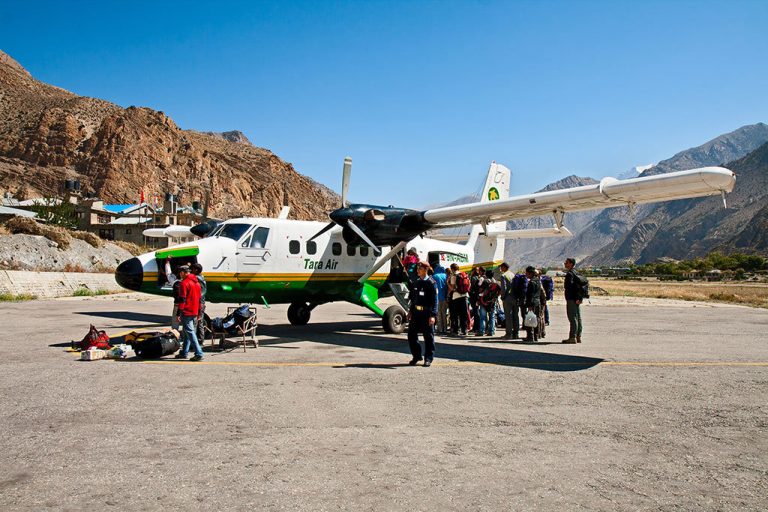
Drawing on Nepal’s direct experience, Adhikari painted a stark picture of the environmental consequences that are already disrupting operations in the region. Nepal, home to eight of the world’s ten highest mountain peaks including Mount Everest, is witnessing accelerated melting of glaciers and snow cover. This alarming phenomenon is transforming the Himalayan landscape, where once snow-capped summits are increasingly exposed as barren rock. This environmental shift is more than a scenic loss; it directly affects the safety and reliability of air travel in the region. Glacial lake outbursts, frequent flooding, and unpredictable weather patterns have become common challenges for Nepal’s aviation sector, threatening flight schedules, airport operations, and passenger safety.
Adhikari emphasized that Nepal, despite contributing “almost zero” to global carbon emissions, is disproportionately bearing the impacts of the global climate crisis. “Climate change is a burning issue, and its effects are evident,” he said. His remarks spotlighted the inequity faced by countries like Nepal that have minimal carbon footprints but face severe consequences. This paradox calls for a collective and just approach to climate action, ensuring vulnerable nations receive support and inclusion in decision-making processes.
The Interconnectedness of Aviation and the Environment
In his opening remarks, Adhikari provided a nuanced perspective on the relationship between aviation and environmental sustainability. He acknowledged aviation as a vital economic engine, facilitating trade, tourism, and development, particularly in remote and mountainous regions like Nepal. However, he also candidly addressed it’s role in contributing to climate change through carbon emissions and environmental degradation.
“It is an economic engine, but it also adds to climate change,” Adhikari stated, stressing that the sector’s growth must be balanced with environmental responsibility. Highlighting Nepal’s negligible emissions from aviation compared to global contributors, he noted, “Yet, we are among the most affected, our Himalayas are melting, glacial lakes are bursting, floods are frequent, and weather is increasingly unpredictable, posing major challenges to our aviation sector.” This acknowledgment calls attention to the complexity of balancing development needs with climate imperatives.
Urgency of Regional and International Collaboration
Adhikari’s call to action was clear: addressing climate change’s impact on demands a unified and collaborative regional response. He urged Asia-Pacific nations to recognize the shared vulnerability and interdependence of their aviation and environmental systems. “Climate crises know no borders, nor can responsibility be measured solely by emissions,” he remarked. This statement reflects the transboundary nature of climate challenges, where impacts felt in one country ripple across regional networks.
He advocated for “objective, equitable, and inclusive solutions” that involve all stakeholders, from governments and international agencies to private companies and local communities. By fostering regional partnerships, sharing data, technology, and best practices, Asia-Pacific countries can build resilient infrastructures capable of withstanding climate shocks.
Nepal’s Role as a Voice for Vulnerable Nations
As a representative of one of the most climate-vulnerable countries, Pradeep Adhikari positioned Nepal as a crucial voice urging global aviation leadership to prioritize environmental resilience and climate justice. His participation in the ICAO conference signals Nepal’s commitment to engaging in international platforms and advancing dialogues on sustainable aviation development.
Nepal’s unique geography, cultural heritage, and reliance on aviation for connectivity make it an important stakeholder in shaping future climate and aviation policies. Adhikari’s message reinforces the need for policy frameworks that recognize differential responsibilities and provide support mechanisms for countries disproportionately affected by climate change.
The 60th ICAO Conference served as a pivotal forum for highlighting the intricate linkages between aviation and the environment, with Pradeep Adhikari’s contributions underscoring the urgency of coordinated regional action. Climate change presents a formidable challenge that threatens aviation safety, infrastructure, and economic growth, especially in vulnerable regions like Nepal and the broader Asia-Pacific.
Adhikari’s call for immediate, collaborative, and equitable approaches to climate mitigation and adaptation is a timely reminder that it’s future depends on sustainable environmental stewardship. As countries gather to discuss innovations and policies, the voices of those at the frontlines of climate impacts must guide the path forward, ensuring that remains a driver of progress without compromising the planet’s fragile ecosystems.