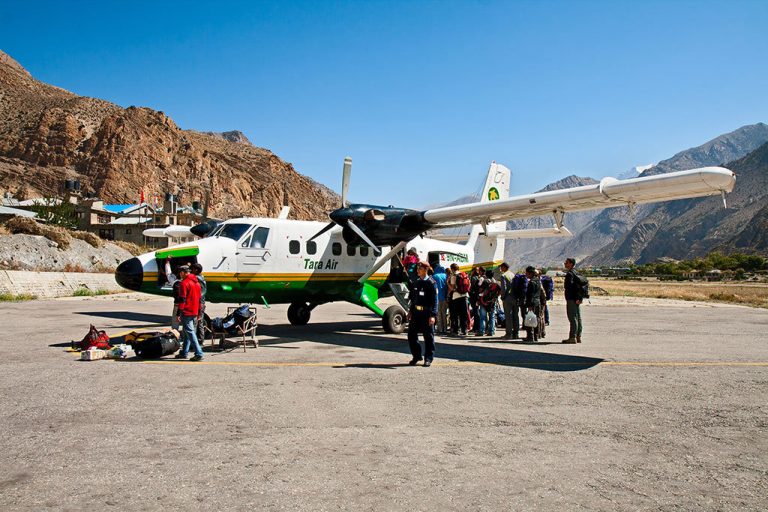
Minister for Culture, Tourism, and Civil Aviation, Badri Prasad Pandey, has officially declared Gautam Buddha International Airport (GBIA) and Pokhara Regional International Airport (PRIA) as national pride structures, marking a significant milestone in Nepal’s aviation and infrastructure development.
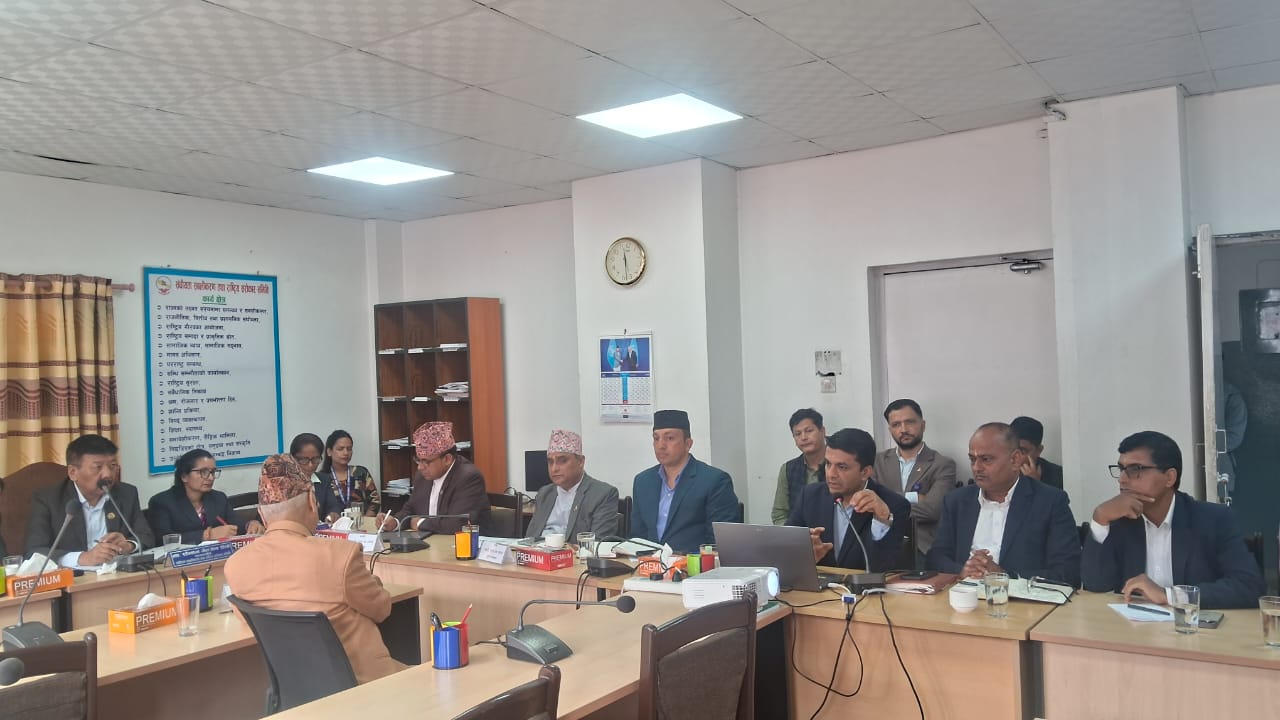
Speaking at a discussion organized by the Federalism Enablement and National Concerns Committee, focused on national pride projects under his ministry, Pandey emphasized the strategic importance of these two airports in the country’s growth trajectory. He noted that while his ministry oversees five national pride projects, GBIA and PRIA have already been successfully completed and are ready to serve as critical gateways for Nepal.
Recognizing Airports as National Pride Projects
Minister Pandey stressed the importance of formally recognizing GBIA and PRIA as national pride structures. “The country must now recognize these projects as national pride structures and reap their benefits,” he asserted. This recognition comes as a call to action for the government and related stakeholders to maximize the potential of these airports, which symbolize Nepal’s aspirations for modernization, increased connectivity, and expanded tourism.
These airports are not just infrastructure assets but also vital economic engines expected to boost regional development, international trade, and tourism. Gautam Buddha International Airport, located near Lumbini—the birthplace of Lord Buddha and a UNESCO World Heritage Site—serves as a critical entry point for pilgrims and tourists from across the globe. Similarly, Pokhara Regional International Airport is poised to transform the popular tourist city of Pokhara by enhancing accessibility and supporting the influx of both domestic and international visitors.
Commitment to Pashupati and Lumbini Development
In addition to aviation infrastructure, Minister Pandey reaffirmed the government’s dedication to advancing development plans for other national pride projects, specifically the cultural and spiritual hubs of Pashupati and Lumbini. He highlighted the importance of adhering to the master plans for these iconic sites to ensure their preservation, sustainable development, and enhanced global appeal.
The Pashupati area, known for the famous Pashupatinath Temple, and Lumbini, with its profound religious and historical significance, are both central to Nepal’s identity and tourism industry. The minister’s commitment underscores a holistic approach to national pride projects, blending infrastructure advancement with cultural heritage conservation.
Nijgadh International Airport: A Critical but Uncertain Venture
Turning to the proposed Nijgadh International Airport, also designated as a national pride project, Minister Pandey acknowledged ongoing uncertainties regarding its construction timeline and modalities. Nijgadh Airport is envisioned as a mega aviation hub that would alleviate congestion at Tribhuvan International Airport in Kathmandu and accommodate the growing demand for air travel in Nepal.
Despite the challenges, Pandey emphasized that the airport’s development remains essential for Nepal’s long-term economic and infrastructural growth. “The government is working on defining construction and operational modalities to move forward,” he stated, signaling ongoing efforts to resolve technical, financial, and environmental concerns that have delayed progress on the project.
Challenges in Optimizing Airport Utilization
Minister Pandey also addressed concerns related to the underutilization of Gautam Buddha International Airport and Pokhara Regional International Airport. Contrary to popular belief that limited flight routes are solely responsible, he pointed out that some government agencies have failed to fully implement the prepared action plans necessary to activate the airports’ full potential.
This observation draws attention to institutional coordination issues and administrative bottlenecks that have hindered operational efficiency. By identifying these internal challenges, Pandey called for improved inter-agency collaboration, strategic planning, and decisive execution to ensure that the airports can contribute effectively to national development goals.
Strategic Importance for Nepal’s Aviation and Tourism
The declaration of GBIA and PRIA as national pride structures is expected to galvanize further investment, policy support, and public interest in aviation infrastructure development across Nepal. These airports represent more than just facilities for air travel; they are catalysts for regional economic growth, job creation, and increased foreign exchange earnings through tourism.
Nepal’s tourism sector, which heavily depends on air connectivity, stands to benefit enormously from the enhanced capacity and accessibility provided by these airports. With improved infrastructure, Nepal can attract greater numbers of international visitors to its world-renowned cultural sites and natural landscapes, reinforcing its position as a premier travel destination in South Asia.
Looking Ahead: A Call for Action and Collaboration
Minister Pandey’s remarks send a clear message to government bodies, private sector players, and local communities to recognize and support the significance of national pride projects in shaping Nepal’s future. The successful operation and development of Gautam Buddha and Pokhara airports require sustained commitment, streamlined administrative processes, and inclusive planning.
As Nepal navigates challenges such as the uncertain future of the Nijgadh International Airport and the need for effective utilization of existing infrastructure, collaborative efforts across all sectors will be vital. Minister Pandey’s announcement serves as both a celebration of completed milestones and a call to overcome hurdles to harness the full benefits of Nepal’s growing aviation sector.
In conclusion, the formal recognition of GBIA and PRIA as national pride structures is a defining moment for Nepal’s aviation and tourism landscape. It embodies the nation’s aspirations for connectivity, economic progress, and cultural pride, paving the way for enhanced development that resonates far beyond the airport terminals.