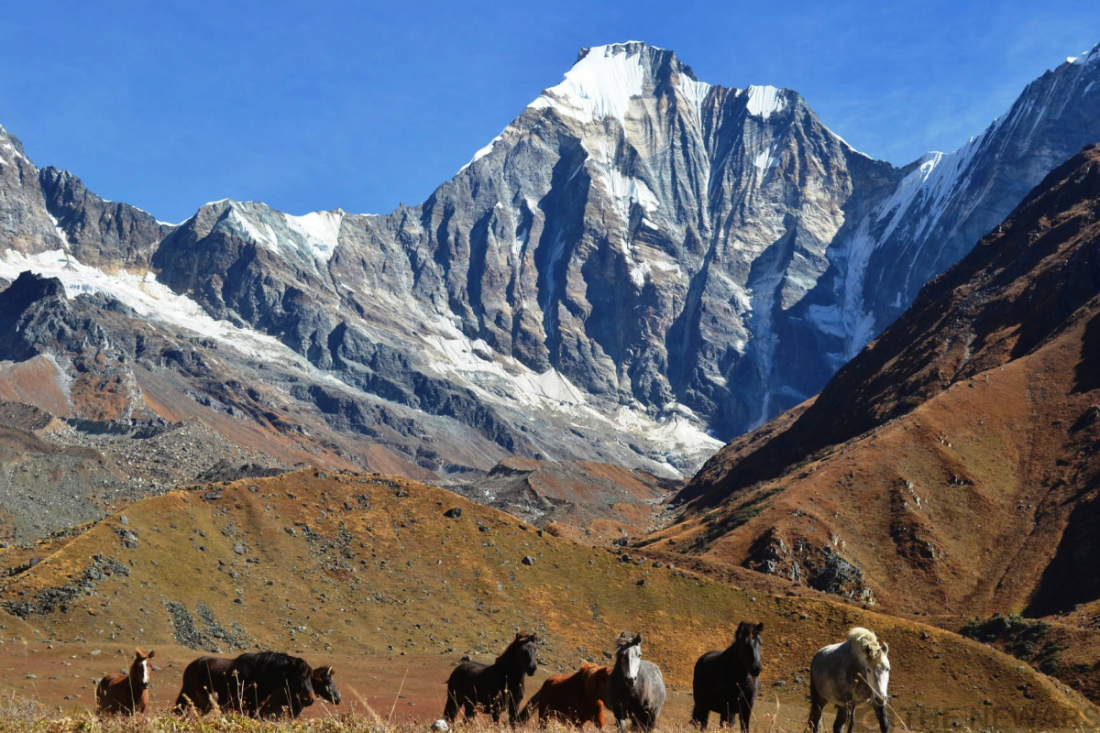
Initiatives have officially begun to transform the Saipal and Api Himalayan regions of Sudurpashchim Province into prominent tourism destinations. The Nepal Tourism Board, in collaboration with Sahara Nepal, has launched a feasibility study to explore the construction of a trekking route stretching from Saipal Himal in Saipal Rural Municipality to the Api Himal Base Camp area in Darchula.
Feasibility Study for Trek Route Development
Basanta Bohora, a resource person from Sahara Nepal, confirmed that a two-week study has been conducted to determine the physical structures and essential infrastructure needed for a new trekking route connecting the two regions. The assessment reviewed trail alignment, potential resting points, necessary bridges, and basic infrastructure essential for safe and comfortable trekking.

First Phase to Focus on Basic Tourist Infrastructure
Bohora stated that the first phase of development will prioritize constructing homestays, resting shelters, bridges, and trails along the route. With support from local communities, the project aims to enhance accessibility and create a sustainable trekking path that highlights the region’s natural beauty and cultural richness.
Key Locations Identified for Construction
According to the study, several areas along the route, including Nilkhati Himal in Saipal Rural Municipality, Biru Odar in Surma Rural Municipality, and the Api Base Camp area in Api Himal Rural Municipality, will require significant tourist facilities. The Kalagad section, situated between these regions, has been identified as a key location where multiple structures must be developed to support trekkers.
Saipal Rural Municipality Partnering for Tourism Expansion
Engineer Sushil Bohara of Saipal Rural Municipality shared that the municipality is working in partnership with various organizations to construct tourism-friendly infrastructure. The goal is to promote the region as a major trekking destination and open its untouched landscapes to both domestic and international visitors.
Trekking Route Through High Himalayan Terrain
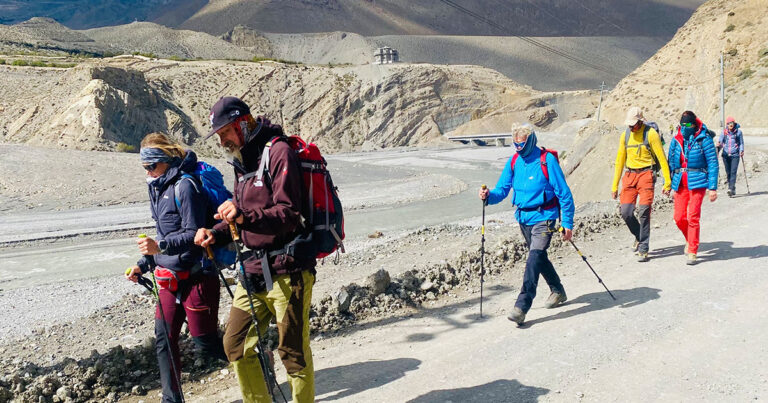
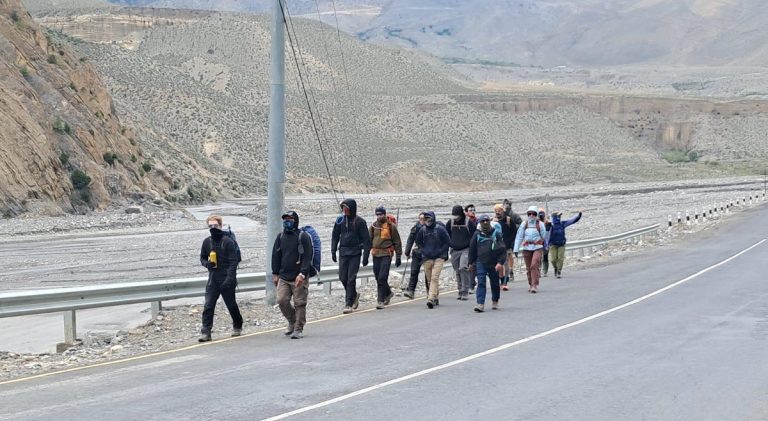
Reaching the Api Base Camp from the last human settlement in Dhuli requires over a week of trekking. The trail crosses the Nilkhati Himal at an altitude of 5,200 meters, then passes through Biru Odar and Kalagad before reaching the base of Api Himal. While crossing the Himalayan section is difficult during winter due to heavy snowfall, the route remains accessible and safe for trekkers during other seasons, according to locals.
Improving Safety and Comfort for Trekkers
“Previously, trekkers going from Saipal to Api had to struggle due to the lack of a proper trail,” said Bohara. “But this problem will soon be resolved. By next year, tourists will have access to lodging and food facilities along the route, and the necessary infrastructures will be built.”
Communication remains a major challenge above Dhuli. To address this, the municipality plans to partner with Nepal Telecom to improve mobile network coverage. “If network access could reach at least up to Nilkhati Patan at 4,300 meters, it would bring significant relief to trekkers,” he added.

New Route Expected to Boost Local Economy
At present, most tourists travel from Saipal towards the Taklakot border point or Urai Lek, with very few choosing the Nilkhati–Api route due to the lack of trails. Many visitors have been unable to fully explore Saipal’s breathtaking landscapes. “Tourists sometimes turned back because there was no trekking path,” said Gopi Bohara of Saipal-3. “But once the route opens, we believe more trekkers will choose the Saipal–Api trail instead of heading towards Taklakot.”
Locals Optimistic About Job Creation
Local residents, including Umesh Rokaya of Dhuli, are hopeful that the project will create employment opportunities. “Our Saipal region has hundreds of potential tourist spots. With tourists arriving continuously, porters and helpers will find regular work,” he said. Rokaya believes that once the trail is completed, seasonal and off-season job opportunities will increase, improving livelihoods across the region.