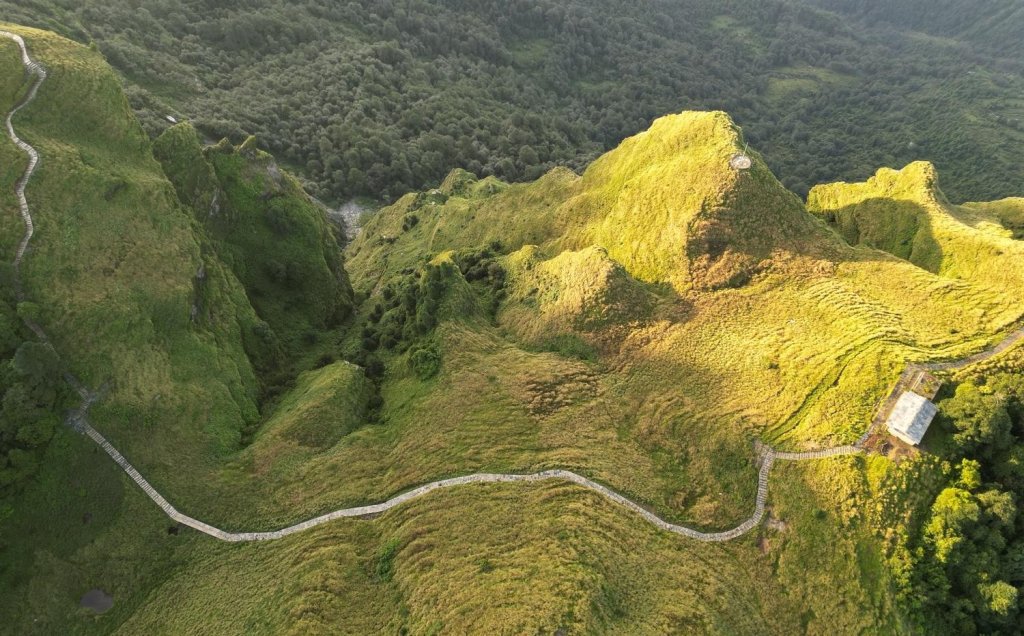
In a concerted effort to boost tourism and improve accessibility to key religious and tourist destinations, approximately five kilometers of foot trails were constructed in Nepal’s Parbat District during the last fiscal year 2081/82 (2024–2025). According to the Parbat Office of Tourism and Industry, the trails were developed through 17 different projects across various municipalities and rural municipalities, aiming to facilitate both domestic and international tourist movements.
Diverse Trail Designs to Match Terrain
The trails were constructed using various techniques, including stone steps in steeper areas and inclined footpaths in flatter regions. According to Poshnath Sharma, Chief of the Tourism and Industry Office in Parbat, a total of 4,850 meters of trail were built at 17 different locations. These trails connect a wide array of culturally and ecologically significant destinations, improving both safety and comfort for visitors.
Some of the major trail developments include the Jhilibarang–Taprang–Kokhe–Mohoredanda route in Modi Rural Municipality, and the Darak–Chitrepata trail in Ward 6 of the same municipality. Other noteworthy routes include a trail connecting Thumka to Naya Basti in Phalebas-8, and the Patapehara to Senior Citizens’ Building trail in Ramja, Modi-7.
Expanded Network Across Wards
In addition to the above, key projects also covered Jaljala and Kushma municipalities. In Jaljala-8, trails now link Tallo Dilchaur to the revered Shaligram Ashram, and another from Odare to a suspension bridge. Kushma-14 saw a new trail from Barketati to Panchase, while Farse Kholaghat to Fatkedunga in Jaljala-3 was also completed.
Other significant trails include the route to the Bachheshwar Temple in Bacha, Vihadi-1; a path from Duktan to Chisapani in Mathu, Phalebas-10; and the Banau–Lisnegham trail in Jaljala-9. Furthermore, a foot trail from Sarkitol to Bhumekot Temple in Modi-5 and another reaching the famous Batulechaur Temple in Kushma-12 were also developed.
Infrastructure Boost with Major Budget Allocation
The Office of Tourism and Industry allocated a total of NPR 12.5 million (Rs 1.25 crore) specifically for foot trail construction during the fiscal year. These initiatives have significantly enhanced year-round accessibility to remote and often sacred destinations, especially in areas where vehicular access is limited or non-existent. Office Chief Sharma remarked that the foot trails have made commuting in and out of these locations far easier for pilgrims and trekkers alike.
Out of a total budget of NPR 34.5 million (Rs 3.45 crore) earmarked for tourism infrastructure last fiscal year, additional funds were spent on renovating and restoring four public parks and 21 religious and cultural structures, including temples, sattals (rest houses), and monasteries. Altogether, 42 different tourism infrastructure projects were implemented across the district.
Home Stays, Guides, and Tourism Promotion
As tourism infrastructure expands, so does the need for supporting services. The Tourism and Industry Office registered five new guide institutions in the past year, aimed at offering better navigation and interpretation services for tourists. Moreover, 61 home stays were renewed, reflecting ongoing interest and investment in community-based tourism. These home stays not only provide income to local families but also offer authentic cultural experiences for visitors.
In the industrial and commercial sector, the office registered 136 new businesses and commerce-related firms, signaling positive entrepreneurial growth. The total revenue collection by the office reached NPR 3.9 million (Rs 39 lakh 1,271), showcasing the economic impact of tourism and industry efforts in the region.
Progress and Collaboration with Other Agencies
According to Chief Sharma, the office achieved 93.30% financial progress and 100% physical progress in implementing its projects during the fiscal year. Importantly, other government bodies such as the Social Development Office also contributed to trail development, constructing an additional three kilometers of footpaths in support of community mobility and tourism.
Likewise, several local governments executed foot trail projects under the Prime Minister Employment Program, with a focus on connecting religious and tourist sites while also creating jobs and improving local infrastructure. These collaborative efforts underline the shared commitment of multiple stakeholders in enhancing the tourism appeal of Parbat District.
Future Outlook
With continued investment and community involvement, Parbat District is emerging as a model for sustainable and accessible tourism development in Nepal. By improving foot connectivity to remote and culturally rich sites, the district not only supports tourism but also preserves its natural and spiritual heritage. As these trails begin to attract more trekkers, pilgrims, and eco-tourists, the region is well-poised to become a key destination on Nepal’s tourism map.