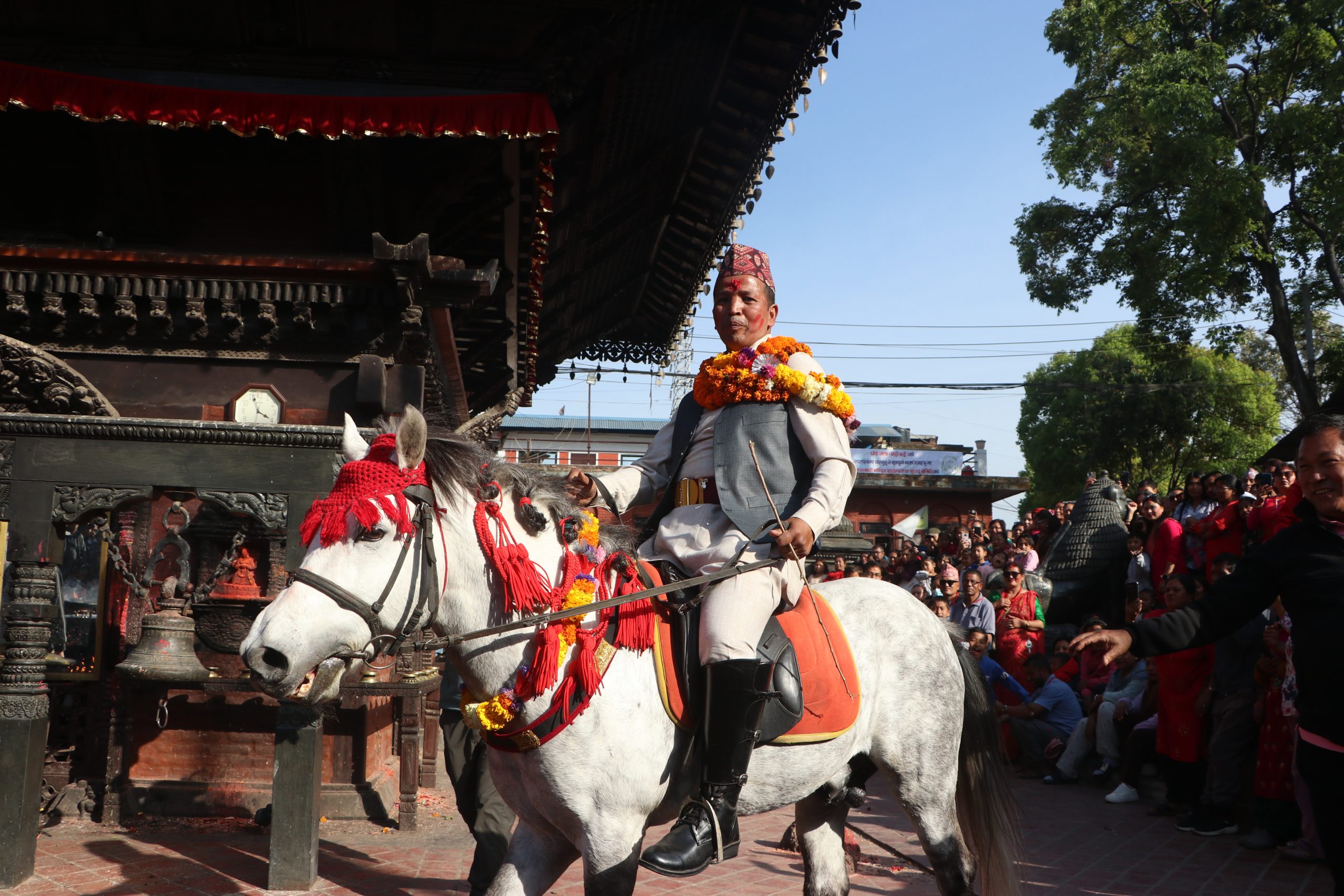
Ghode Jatra, literally meaning “Horse Parade,” is one of Nepal’s most thrilling and culturally significant festivals, celebrated with great pomp and fervor in the Kathmandu Valley, particularly in Kathmandu, Patan, and Bhaktapur. Observed annually, the festival falls on the full moon day of Chaitra (March–April), marking the end of winter and the onset of the vibrant spring season.
Historical and Cultural Significance
The origins of Ghode Jatra date back several centuries. Legend has it that the festival began as a way to drive away demons and evil spirits that were believed to threaten the city of Kathmandu. Over time, the celebration evolved into a grand display of horsemanship, bravery, and cultural heritage. For the people of Kathmandu Valley, it is not just a festival but also a symbol of courage and unity.
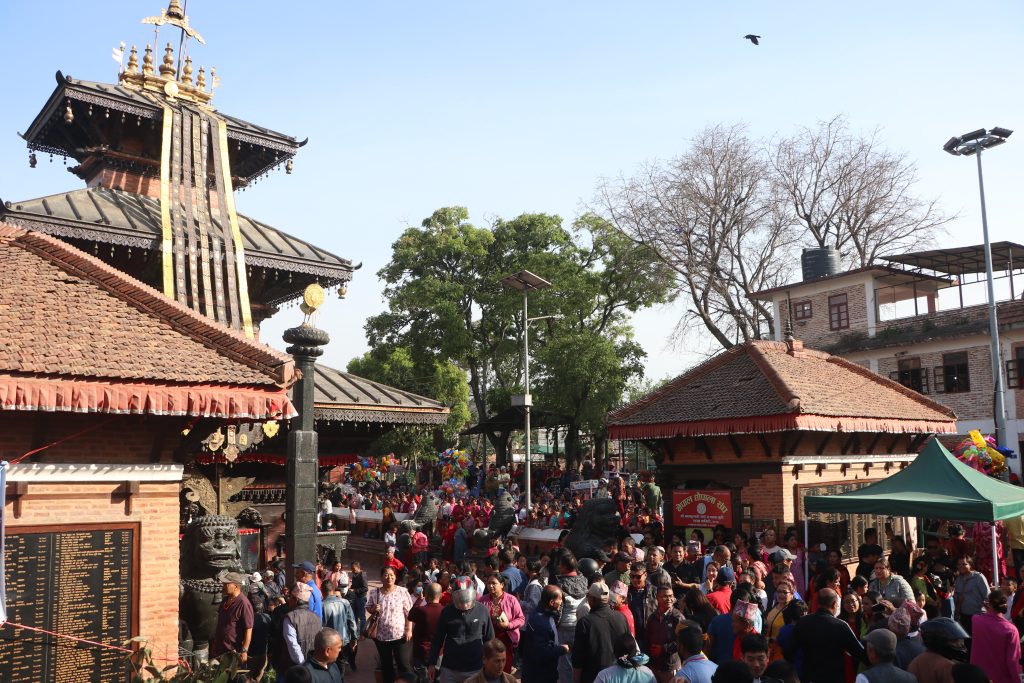
Traditionally, Ghode Jatra was closely associated with the Royal Nepal Army, which organized horse parades and military displays to honor the bravery of soldiers and cavalry units. Even today, the army plays a central role in the festival, showcasing spectacular stunts, horse races, and precise equestrian drills that captivate audiences of all ages.
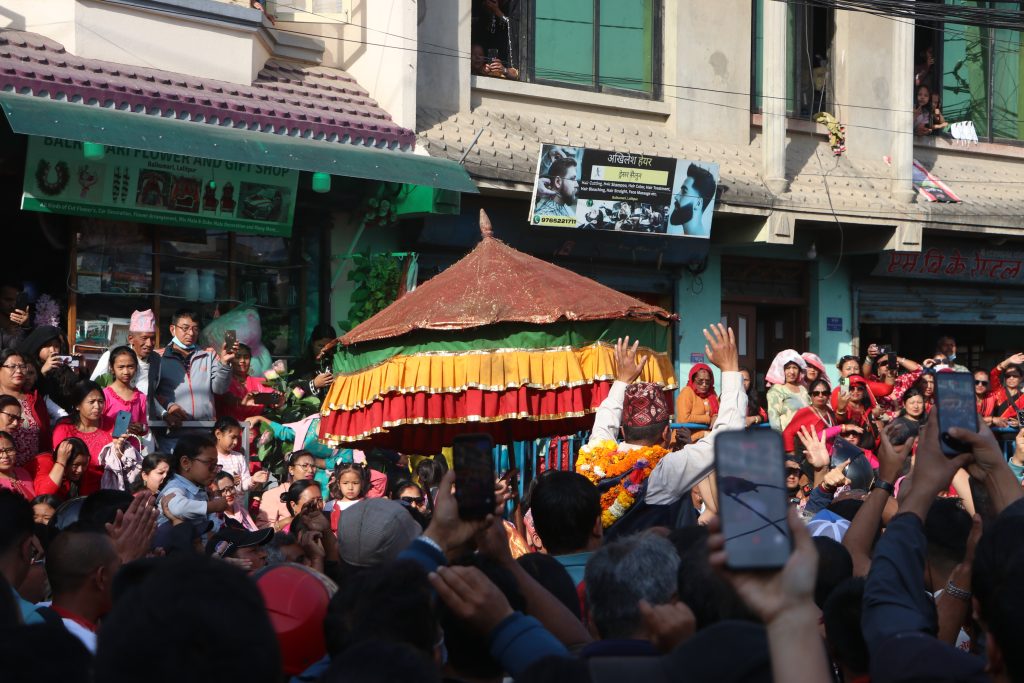
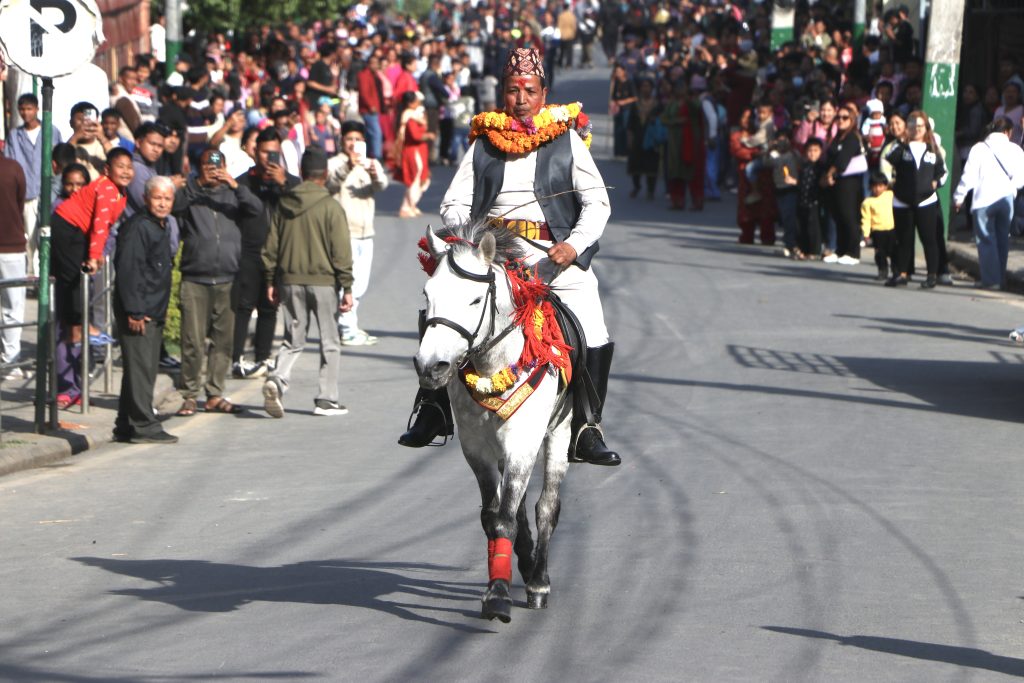
The festival is best known for its horse parade at Tundikhel, Kathmandu’s largest open field. This grand parade attracts hundreds of horse riders and enthusiasts who compete and perform daring stunts. The horses, adorned in colorful decorations, gallop across the field to the rhythm of drums and traditional music, creating an electrifying atmosphere.
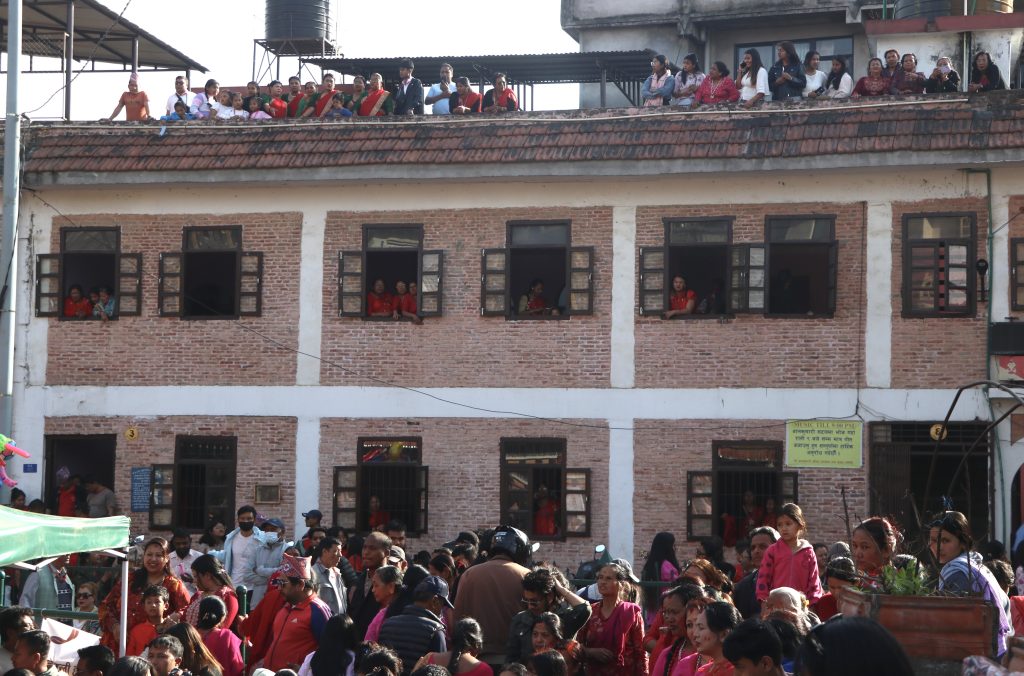
Besides the parade, Ghode Jatra includes several cultural performances, music, and fairs that reflect Nepal’s rich traditions. Local vendors set up stalls offering traditional food, handicrafts, and souvenirs, making it a festival for the entire community to enjoy. Families, tourists, and devotees gather to witness the spectacle, making it a celebration that bridges generations and communities.
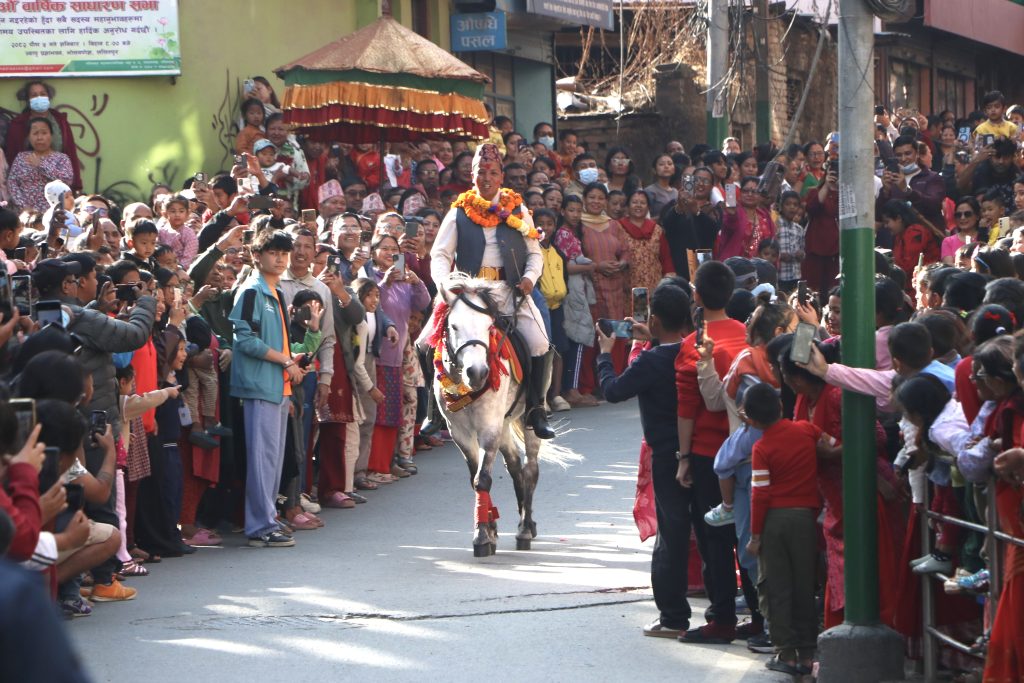
Ghode Jatra in Patan
In Patan, Ghode Jatra is particularly famous for its vibrant street processions. The narrow alleys of Patan Durbar Square become lively stages for the horses, while residents and visitors enjoy the fusion of traditional music, dance, and ceremonial rituals. This local variation adds a unique flavor to the festival, combining religious observances with thrilling equestrian displays.
Modern Celebrations and Tourism
Today, Ghode Jatra has grown beyond its traditional roots, attracting tourists from across the globe who wish to witness Nepalese culture in action. The festival not only highlights Nepal’s equestrian heritage but also serves as a platform to promote tourism and local businesses. Modern safety measures and organized event management have made it easier for large crowds to participate while enjoying the festivities safely.
A Festival of Community and Joy
Ghode Jatra is more than just a horse parade; it is a celebration of community, courage, and Nepalese identity. It brings together people from different walks of life to witness bravery, enjoy traditional rituals, and celebrate cultural heritage. For locals, it is a proud reminder of their traditions; for visitors, it is an unforgettable cultural experience.