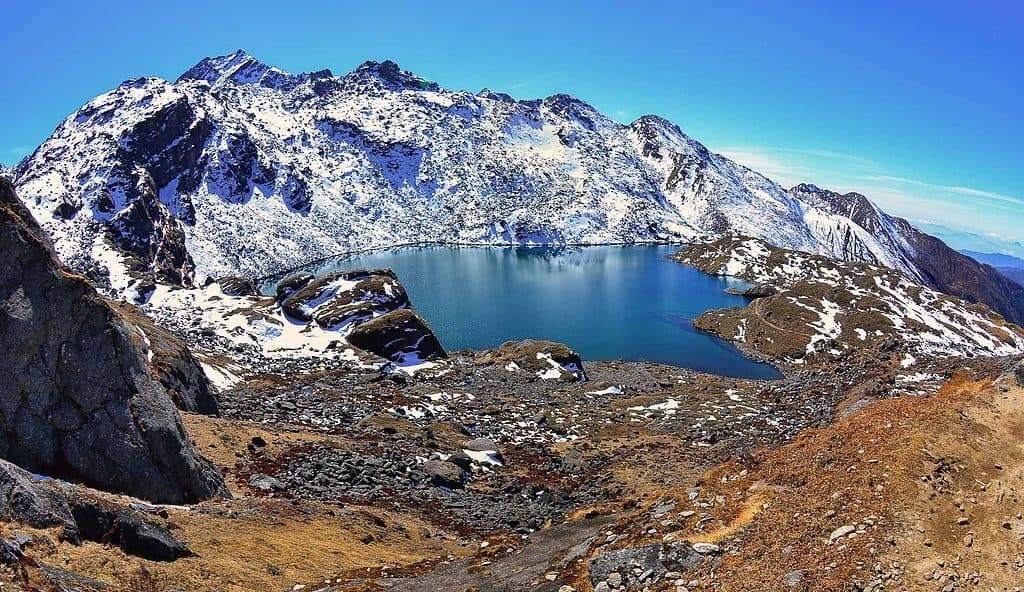
The annual special fair at the sacred Himalayan pilgrimage site of Gosaikunda has officially begun on the occasion of the Ganga Dussehra festival, attracting pilgrims and devotees from across Nepal and abroad. Regarded as one of the holiest pilgrimage destinations for both Hindus and Buddhists, Gosaikunda is witnessing a steady arrival of worshippers seeking blessings from Lord Shiva and spiritual purification through ritual bathing in the sacred alpine lake. The fair, which started on Jestha 3, will continue until Jestha 12, according to local organizers and tourism stakeholders.
Thousands of Pilgrims Expected During Festival Period
According to hotel entrepreneur Subba Lama from Chandanbari, more than 300 pilgrims have already reached the lake area since the beginning of the festival. Authorities estimate that around 5,000 devotees are expected to visit Gosaikunda during the festival period this year. Local hotels and lodges have already transported essential food supplies and arranged accommodation facilities to manage the growing number of visitors arriving in the region.

Mythological Importance of Gosaikunda
Religious scriptures and Hindu mythology associate Gosaikunda with Lord Shiva and the legendary Samudra Manthan, or the churning of the cosmic ocean. According to the Puranas, a deadly poison known as Kalkut emerged during the churning process between gods and demons, threatening the destruction of the universe. To save all living beings, Lord Shiva consumed the poison, which caused his throat to turn blue, earning him the name Neelkantha.
Religious belief holds that unable to bear the intense heat of the poison, Lord Shiva travelled to the Himalayas in search of relief. It is believed that he struck the mountain with his trident, creating the sacred lake now known as Gosaikunda. For this reason, the lake’s water is considered holy and spiritually purifying, with devotees believing it washes away sins, purifies the soul and grants salvation.
Strong Religious Beliefs Linked to Ganga Dussehra
According to Hindu traditions, bathing in Gosaikunda during Ganga Dussehra is believed to destroy ten kinds of sins, while ritual bathing during Janai Purnima is believed to free devotees from karmic burdens accumulated over multiple lifetimes.
Religious scholars say there is also a widespread belief that visiting Gosaikunda at least once in a lifetime leads to spiritual liberation and divine blessings. Priest Upendra Mishra said the sacred atmosphere filled with chanting, devotion and the pristine Himalayan surroundings transforms Gosaikunda into more than just a lake, making it a center of faith, spiritual awakening and inner purification.
Challenging Himalayan Journey to the Sacred Lake
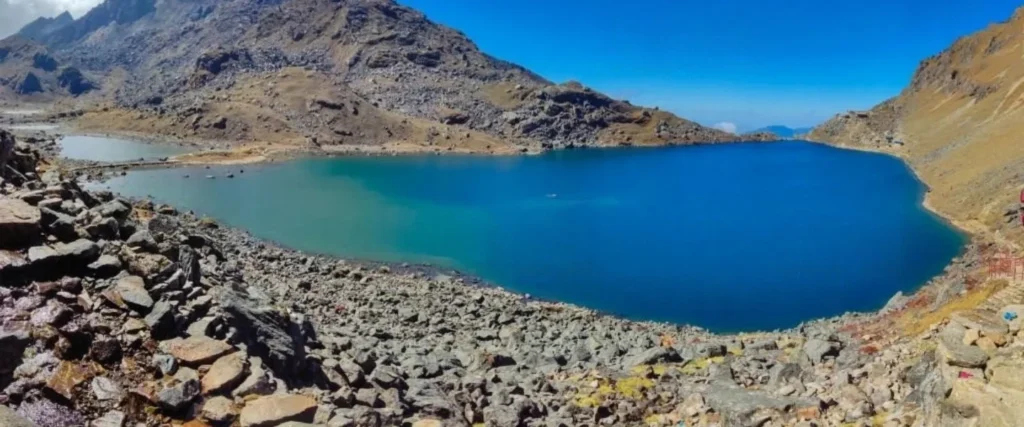
Situated at an altitude of around 14,100 feet above sea level, the journey to Gosaikunda requires physical endurance, patience and determination. Pilgrims typically travel from Kathmandu through Balaju Bus Park, Shivapuri, Chhahare, Dhunge, Betrawati and Kalikasthan before reaching Dhunche, from where the trekking journey begins.
The trail passes through Shiva Temple, the banks of the Trishuli River, Chandanbari, Cholangpati, Lauribinayak and Ganesh Gauda before finally reaching the sacred lake. Pilgrims say that although the uphill trek is physically demanding and often causes breathing difficulties at higher elevations, the spiritual experience and ritual bath at the lake provide deep emotional relief and renewed energy.
Authorities Ensure Safety and Religious Management
To manage the growing influx of visitors, local authorities and tourism entrepreneurs have made preparations for accommodation, food supply and religious services. According to Sanjeev DM, priests will be deployed in the lake area from Jestha 9 to 12 to conduct special worship ceremonies and religious rituals for devotees. District Police Chief Ashok Thapa said rescue and emergency services will remain operational throughout the pilgrimage period with support from the Nepal Army, Nepal Police and the Armed Police Force Nepal.
Health Precautions Urged for High-Altitude Pilgrims
Health workers and local authorities have advised pilgrims to take precautions against altitude sickness, especially above the Lauribinayak area where oxygen levels decrease significantly. Visitors have been advised to stay overnight at Dhunche to help their bodies acclimatize before continuing the trek. Pilgrims are also encouraged to carry ginger, lemon, garlic and medicinal salt, follow medical advice and ascend gradually without rushing. For elderly visitors or those unable to complete the trek on foot, helicopter services from Kathmandu are also available.

Conservation Message Alongside Pilgrimage
Authorities and conservation officials have also appealed to pilgrims to protect the fragile Himalayan environment during the pilgrimage. Senior Conservation Officer Shyam Kumar Shah of Langtang National Park urged visitors not to disturb wildlife, damage vegetation or litter in the area. He emphasized that protecting the Himalayas and preserving nature is itself a form of devotion to Lord Shiva.
A Sacred Confluence of Faith, Nature and Spirituality
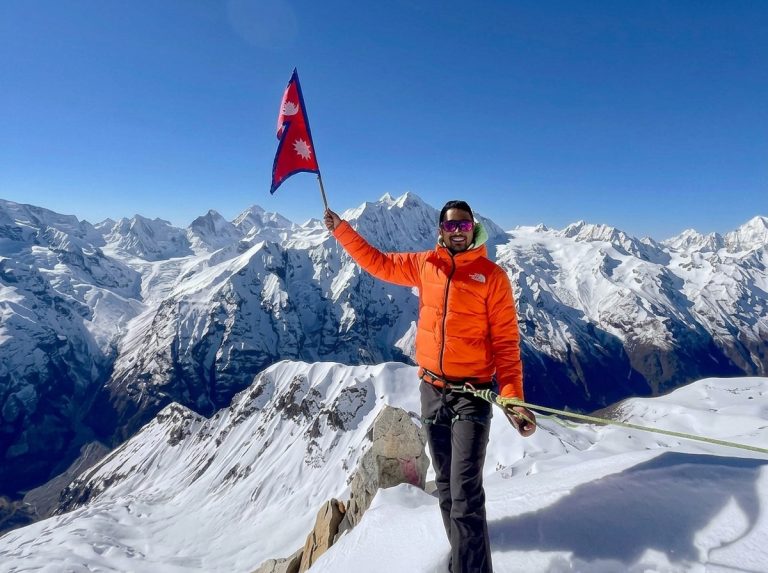
Religious scholars believe the Gosaikunda pilgrimage symbolizes gratitude toward Lord Shiva’s sacrifice for the protection of all living beings. Surrounded by snow-capped peaks, sacred chants and pristine Himalayan waters, Gosaikunda continues to stand as one of Nepal’s most spiritually significant pilgrimage destinations. With the celebration of Ganga Dussehra now underway, the sacred Himalayan lake has once again become a center of deep faith, devotion and spiritual enthusiasm for thousands of pilgrims.