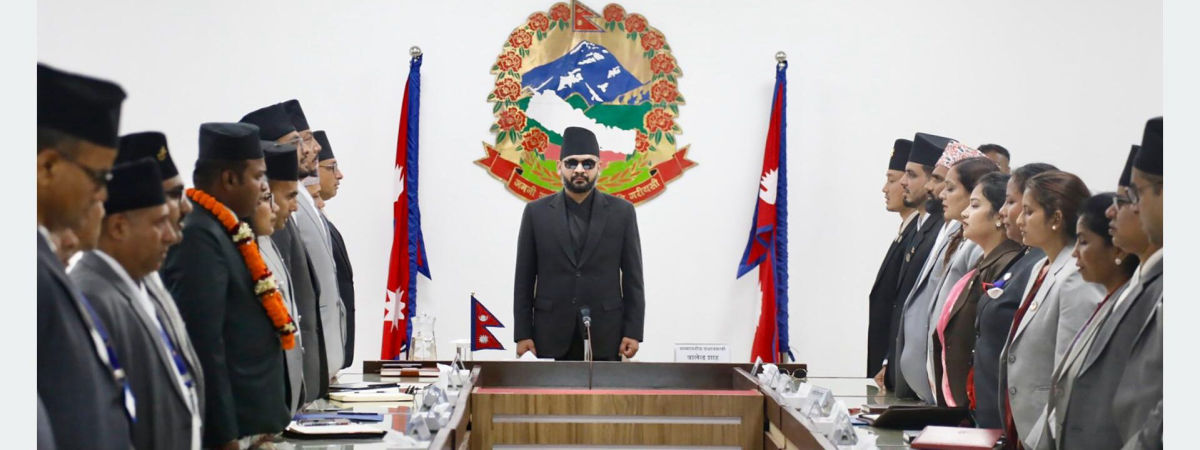
The Government of Nepal has prepared and made public a draft of the “National Commitment” based on the election manifestos of six political parties that received national recognition in the recent election held on Falgun 21. The government has invited suggestions and feedback from the concerned political parties until Baishakh 10.
Draft Prioritizes Tourism as Key Economic Sector
The draft places significant emphasis on tourism sector development, aiming to increase both the number of incoming tourists and their average length of stay in Nepal. It also sets an ambitious target of doubling per capita tourist expenditure within the next five years by promoting high-quality tourism services and infrastructure. According to the document, Nepal will work toward developing a diversified tourism ecosystem that integrates nature, culture, and local communities.

Expansion of Religious and Cultural Tourism Corridors
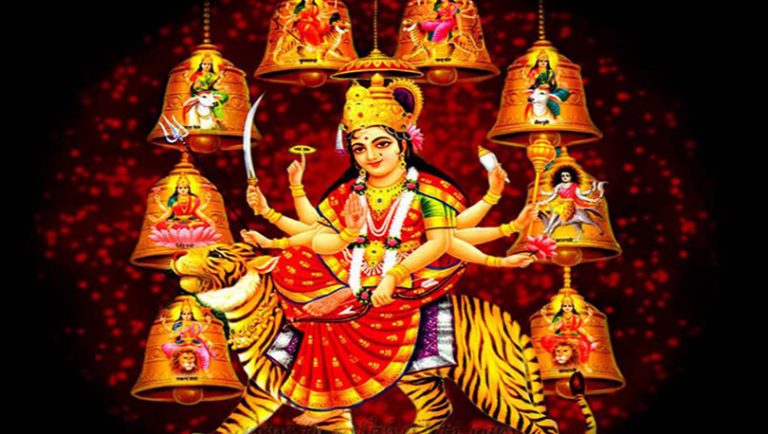
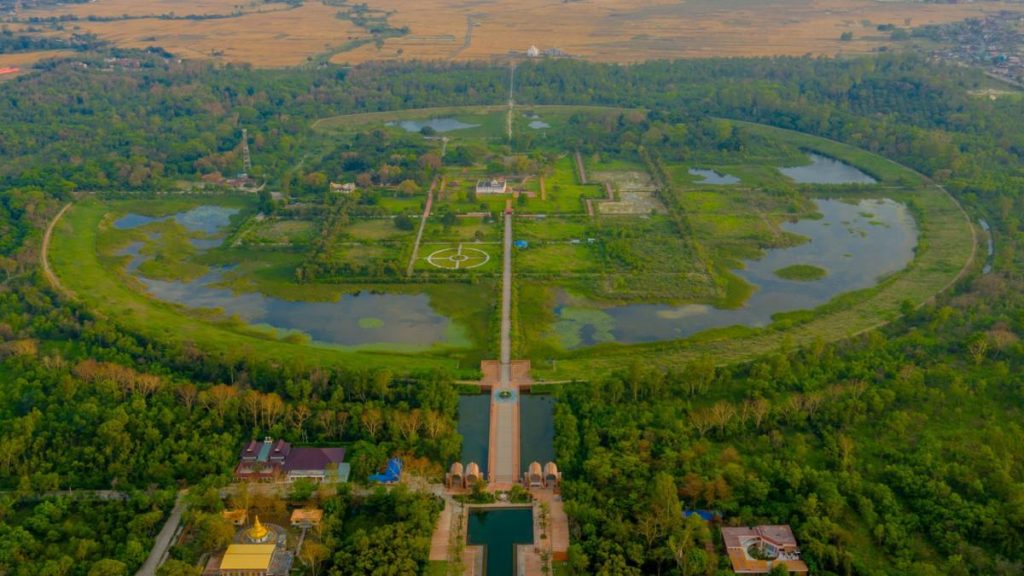
The policy outlines special infrastructure development for major religious and cultural destinations. These include Pashupatinath Temple, Lumbini, and the cultural and architectural heritage sites of the Kathmandu Valley. Additionally, the government plans to develop a dedicated Hindu-Buddhist pilgrimage corridor stretching from Devghat to Muktinath, along with positioning Janakpur as a major religious and cultural tourism hub.
Promotion of Wellness and Cultural Tourism
In collaboration with provincial and local governments, the private sector, and community stakeholders, the year 2027 will be observed as the “National Wellness Year.” The initiative aims to promote wellness (health tourism) across Nepal.
The draft also proposes tourism packages based on Nepal’s civilization, lifestyle, traditional attire, local cuisine, and handicrafts, alongside the expansion of homestay programs to strengthen community-based tourism.
Adventure Tourism and “Clean Himalaya” Campaign
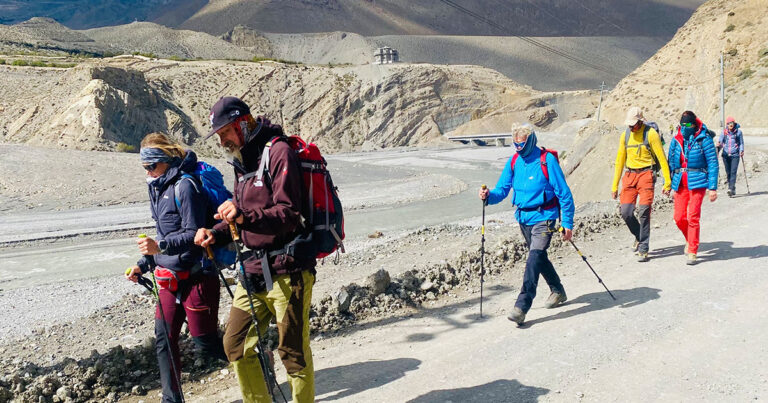
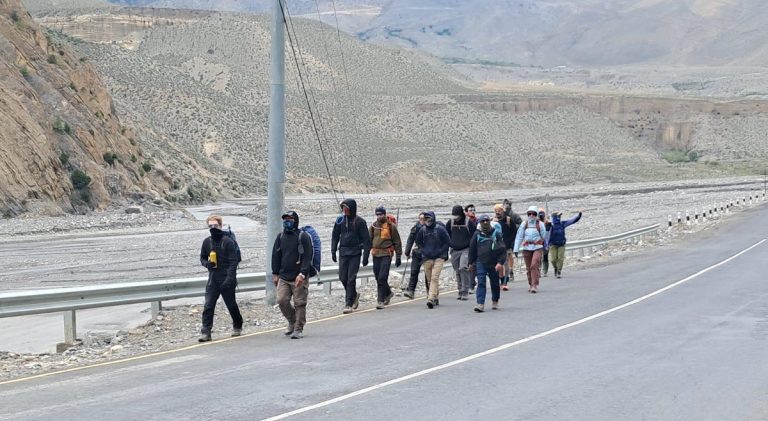
The government has proposed coordinated efforts among all three tiers of government to promote adventure tourism, including trekking, mountaineering, and recreational travel. A major initiative titled “Clean Himalaya, Safe Climbing” will be launched to promote environmental responsibility and ensure safer mountaineering practices in Nepal’s Himalayan region.
Expansion of Key Religious Tourism Sites
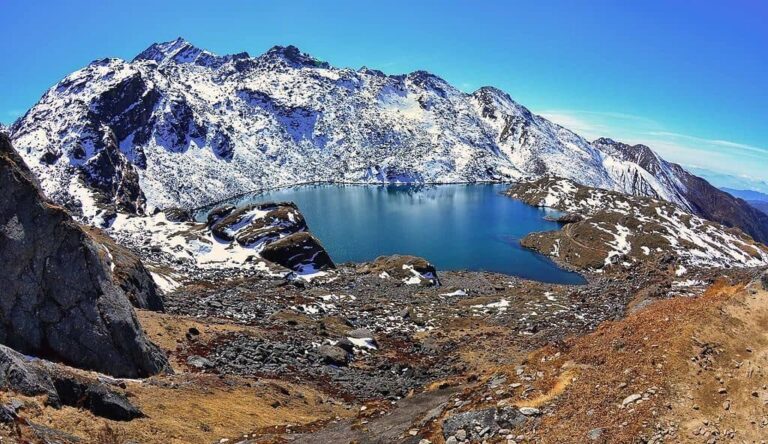
The draft identifies several religious and spiritual destinations for targeted tourism development. These include Salpa Silichung, Bouddha Stupa, Halesi Mahadev, Gosainkunda, and other significant sites such as Swyambhunath, Pathibhara, and Mukumlung–Sumnimaparuhang. These locations are planned to be developed as integrated religious tourism circuits with improved infrastructure and services.
Training, Seasonality, and Infrastructure Expansion
The policy also includes provisions for tourism and hospitality training programs to be conducted at provincial and local levels to enhance workforce skills in the sector. To address seasonal fluctuations in tourist arrivals, the government plans to introduce off-season tourism packages and promotional campaigns to encourage year-round visitation. In addition, new Himalayan peaks will be opened for mountaineering to diversify adventure tourism opportunities.

Public-Private Partnership in Tourism Growth
The draft emphasizes expanding tourism infrastructure through public-private partnerships. Hotels, resorts, adventure service providers, and eco-tourism facilities will be developed with increased private sector participation. Officials believe that this model will help improve service quality, attract investment, and strengthen Nepal’s position as a competitive global tourism destination.
By prioritizing sustainable tourism, cultural preservation, and infrastructure expansion, the “National Commitment” draft envisions transforming Nepal into a high-value tourism destination. The government expects feedback from political parties and stakeholders to further refine the document before final adoption, with tourism positioned as a key driver of economic growth in the coming years.