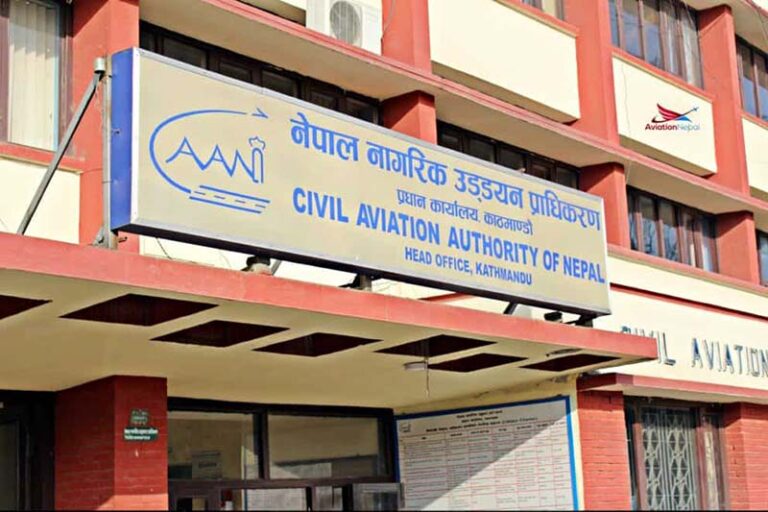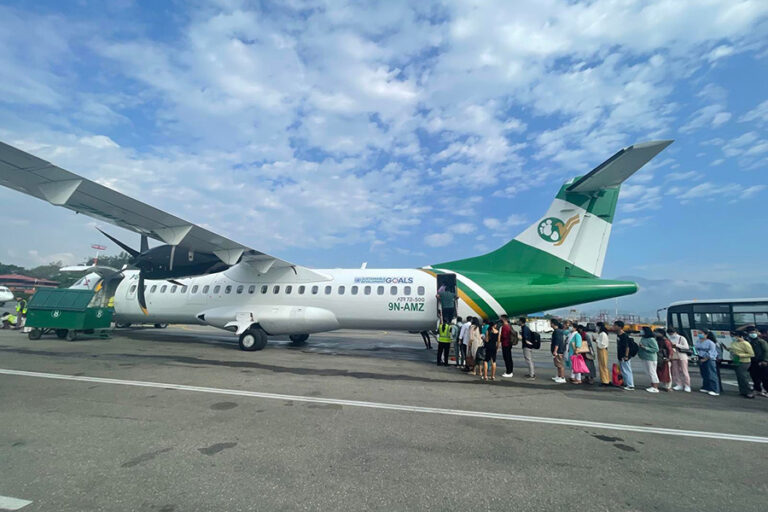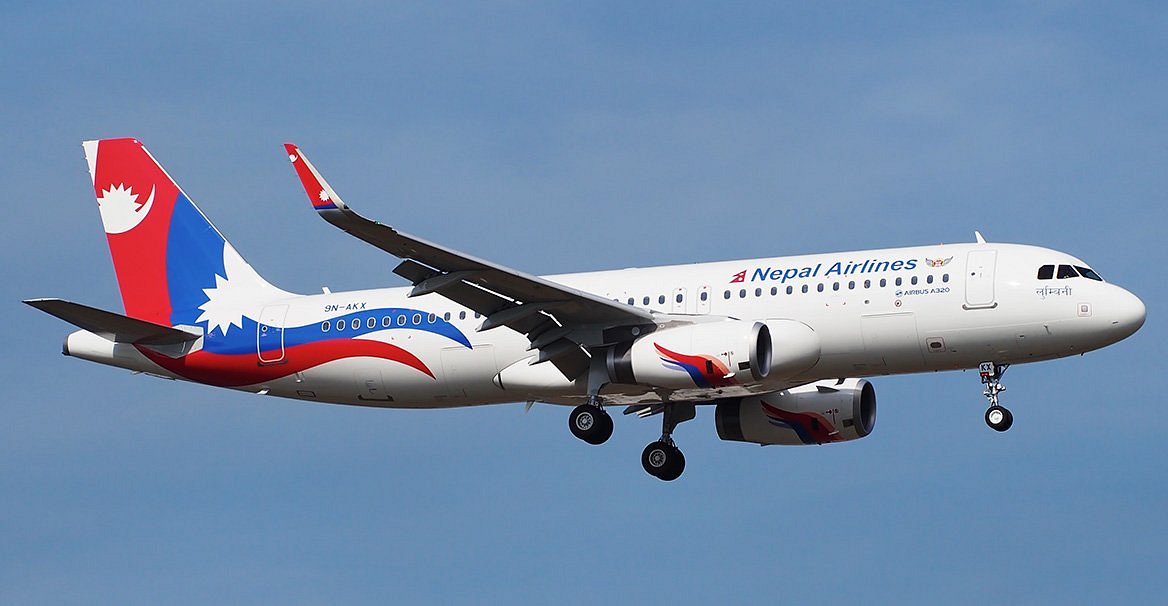
In a move expected to bring relief to air travelers across Nepal, the Civil Aviation Authority of Nepal (CAAN) has officially reduced fuel surcharges on domestic flights after Nepal Oil Corporation lowered the price of aviation turbine fuel by Rs 40 per liter.

The revised airfare structure came into effect on Wednesday, immediately reducing the cost of domestic air travel on multiple routes across the country. Officials say the decision is expected to benefit passengers traveling on both major city routes and remote mountain destinations that rely heavily on air transportation.
Domestic Airlines Ordered to Implement New Reduced Fares Immediately by CAAN
Following the fuel price adjustment, CAAN’s Air Transport Department directed all domestic airlines operating in Nepal to immediately revise ticket prices according to the newly reduced fuel surcharge structure. The aviation regulator has made it clear that airlines are strictly prohibited from charging passengers above the newly approved maximum airfare limits.
Authorities warned that any airline failing to comply with the revised pricing structure could face strict legal action under Nepal’s aviation regulations. The directive reflects the government’s effort to ensure that the benefit of reduced fuel prices is directly passed on to consumers rather than retained by airline operators.
Airfares Reduced by Up to Rs 2,335 on Certain Routes; Rate Published by CAAN
According to the revised rates published by CAAN, domestic flight fuel charges have been reduced significantly, with some routes witnessing fare reductions of up to Rs 2,335 per passenger. The biggest impact is expected on flights serving Nepal’s remote and geographically challenging regions where fuel surcharge forms a substantial portion of overall airfare costs.
Passengers traveling to mountain districts and remote airports are likely to see the highest direct benefit from the revised pricing. Industry observers say fuel cost remains one of the largest operating expenses for domestic airlines in Nepal, particularly for flights connecting remote Himalayan and hill districts where alternative transportation options remain limited.
Lower Fuel Prices Expected to Improve Domestic Travel Demand
Aviation and tourism experts believe the reduction in domestic airfares could help stimulate stronger travel demand, particularly during Nepal’s upcoming tourism season when domestic tourism movement typically increases. More affordable air travel may encourage greater passenger movement between major tourism hubs and remote destinations, benefiting sectors such as trekking, mountain tourism, hospitality businesses, and local tourism-dependent economies. The decision is also expected to improve accessibility for residents of remote districts who rely on air transport for essential travel, business activities, and emergency connectivity.

Fuel Price Volatility Continues to Influence Nepal’s Aviation Sector
The latest fare adjustment once again highlights the close relationship between fuel pricing and Nepal’s aviation sector, where fluctuations in aviation fuel costs directly affect airline operating expenses and passenger ticket prices. As domestic carriers continue facing operational challenges ranging from infrastructure costs to fleet management and seasonal passenger demand, fuel pricing remains one of the most critical variables shaping airfare structures in Nepal’s aviation market. The Civil Aviation Authority (CAAN)’s latest directive aims to maintain fair pricing practices while ensuring that passengers immediately benefit from the recent decline in aviation fuel prices.