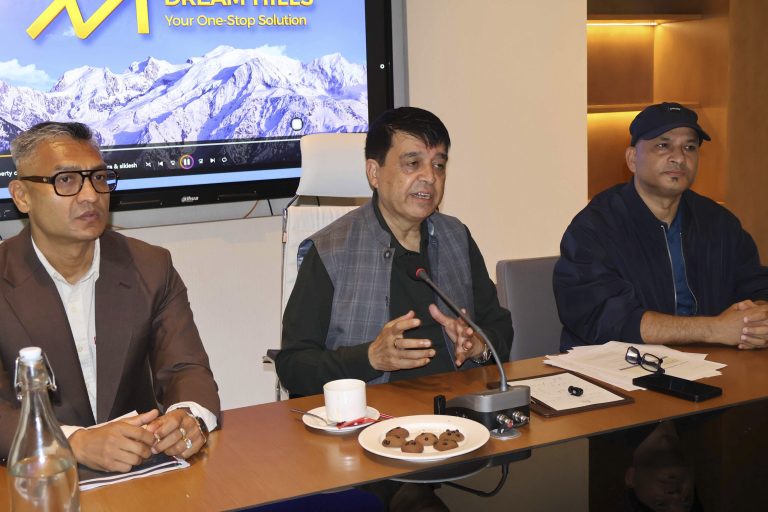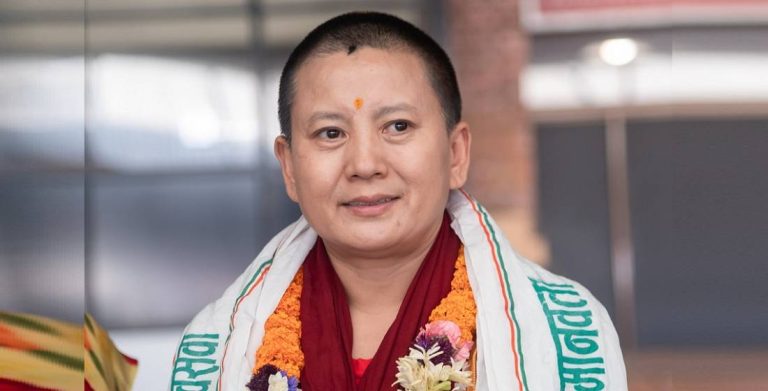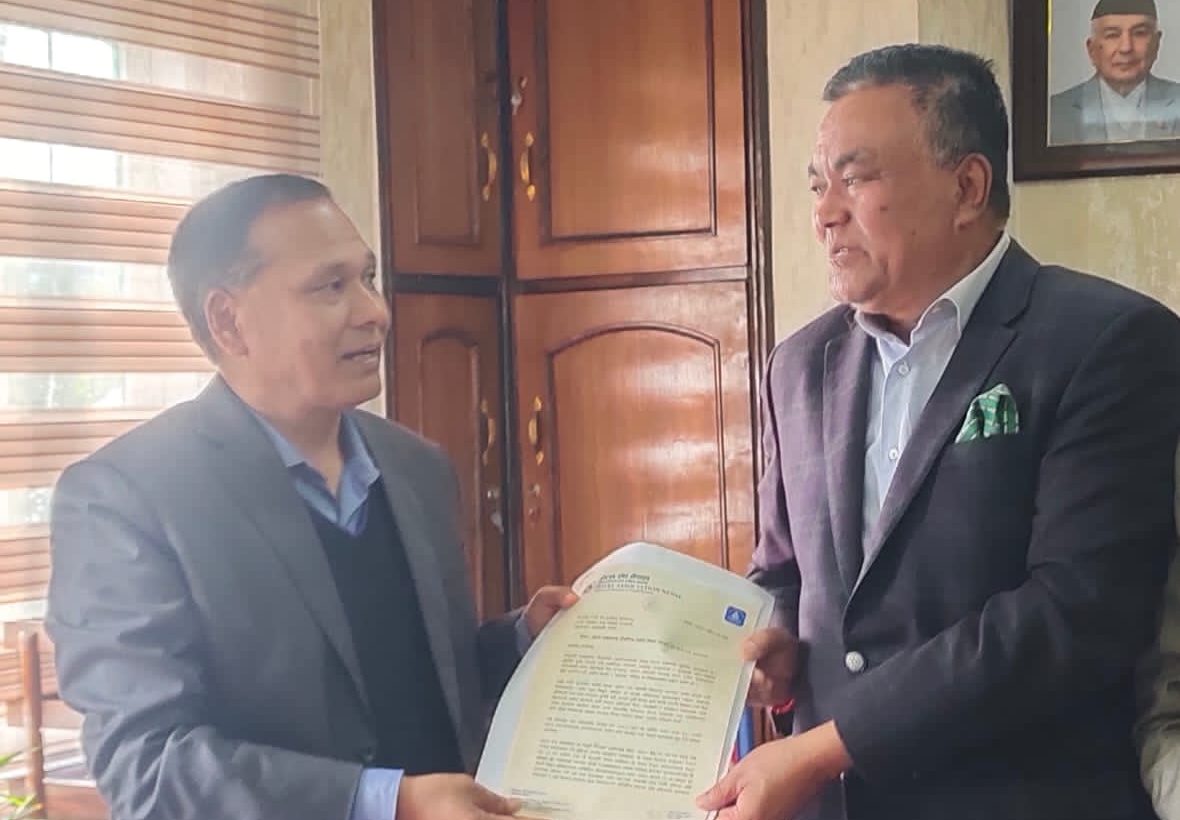
The Hotel Association Nepal (HAN) has urged the government to implement the long-pending provision of granting hotels and resorts electricity tariffs equivalent to the manufacturing industry. HAN President Mr. Binayak Shah formally submitted a memorandum to Hon’ble Minister for Energy, Water Resources and Irrigation Mr. Kulman Ghising during a meeting held this afternoon in Kathmandu.
During the discussion, President Shah highlighted that despite the commitment made in the National Budget and legally endorsed through the Finance Act 2082/83, hotels are yet to receive the revised energy tariff facilities. He emphasized that the hotel sector, being one of the largest contributors to tourism, employment, and foreign exchange earnings, requires energy pricing that aligns with industrial standards to remain competitive.

Call for Immediate Implementation of Declared Tariff Policy
President Shah stated that hotels across Nepal are facing financial pressure due to high electricity costs, particularly at a time when the tourism sector is working toward full recovery. He urged the government to take the necessary steps to implement the tariff reduction that the Finance Act has already endorsed.
“The government has already recognized hotels as energy-intensive enterprises by promising industrial-rate electricity tariffs. What we need now is timely implementation. Lowering electricity costs is crucial for sustaining tourism businesses and strengthening Nepal’s international competitiveness”, Binayak Shah, President of Hotel Association Nepal.
Minister Ghising Directs Issue to NEA and ERC
Responding to HAN’s request, Minister Ghising acknowledged the long-standing demand of the hotel industry and assured that the matter will be taken through the appropriate institutional mechanisms. He directed the issue to the Nepal Electricity Authority (NEA) and the Electricity Regulatory Commission (ERC) for further assessment and procedural execution.
The Minister expressed commitment to facilitating necessary coordination between agencies to ensure that the tariff provision, already incorporated in national policy, is translated into practical implementation.

Energy Tariff Reform Seen as Vital to Tourism Revival
The hotel industry remains one of Nepal’s most energy-dependent service sectors, with large resorts, conference facilities, and high-occupancy hotels operating around the clock. Industry leaders argue that aligning energy tariffs with manufacturing industries will encourage investment, reduce operational burdens, and support Nepal’s recovery efforts in the post-pandemic tourism landscape.
Hotels have welcomed the government’s earlier announcement but insist that swift execution is essential for maintaining business stability and attracting international visitors in the coming seasons.