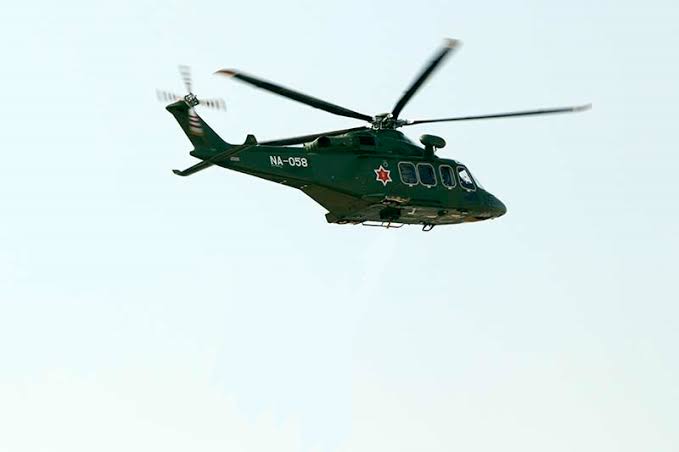
Nepal’s National Disaster Risk Reduction and Management Authority (NDRRMA) has called on helicopter and drone operators to join the ongoing search and rescue operation in flood affected areas as authorities step up efforts to locate stranded and missing people. The appeal comes after rising water levels in the Bhotekoshi and Trishuli rivers caused severe flooding across several districts, including Rasuwa, Nuwakot, Dhading and Chitwan. With damaged roads, difficult terrain and disrupted access making ground based rescue increasingly challenging, the authority has urged aviation and drone operators to work closely with district administration offices, security agencies and local governments to support aerial searches and emergency response.
Aviation And Drone Operators Called In For Critical Rescue Support
The NDRRMA has specifically requested assistance from the Air Service Operators Association of Nepal, Nepal Drone Association, and other organizations and institutions involved in helicopter and drone operations. The authority has asked operators to coordinate directly with the relevant government bodies and security agencies so that available aircraft and aerial technology can be used effectively in areas where conventional rescue teams are facing difficulties. Helicopters can provide rapid access to isolated communities, while drones can help search difficult terrain, identify stranded people and provide authorities with valuable information about conditions on the ground. The coordinated use of these resources is expected to strengthen the ongoing emergency response and help rescue teams reach affected communities more quickly.

The appeal also highlights the importance of cooperation between government agencies, security forces, local governments and private aviation operators during a large scale disaster. Flooding has disrupted transportation routes in several affected areas, leaving some communities difficult to reach by road and creating additional challenges for emergency personnel. By bringing helicopter and drone operators into the coordinated response, authorities aim to expand their ability to search areas that may otherwise remain inaccessible. The effort could be particularly important in mountainous and river-adjacent locations where changing conditions, damaged infrastructure and difficult terrain can slow conventional rescue operations.
Survivors Urged To Use Smoke Signals For Aerial Searches
The disaster authority has also issued a direct appeal to people who remain stranded or are waiting for rescue teams to reach them. Those in need of assistance have been encouraged to light a fire and create visible smoke from their location, allowing helicopters conducting aerial searches to identify them more easily. The measure is intended to provide a simple but potentially effective way for survivors to attract the attention of aircraft operating over remote or difficult-to-access areas where conventional communication may not be reliable.
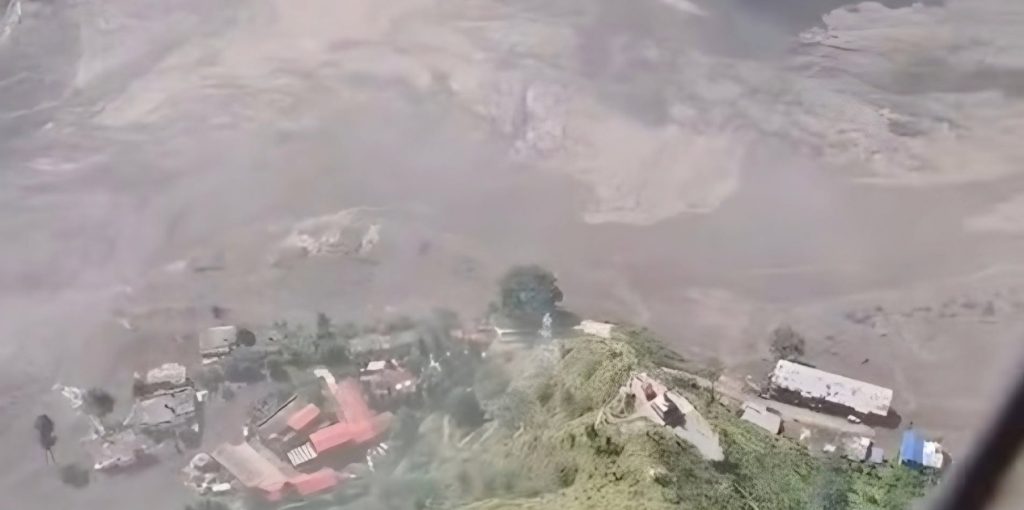
The instruction is particularly significant in areas where flood damage, landslides and damaged roads have made ground access difficult. From the air, rescue teams may struggle to identify individuals among large areas of rugged terrain, vegetation or damaged settlements, especially when visibility is limited. A visible smoke signal can help distinguish a group of stranded people from the surrounding landscape and provide rescuers with a clearer indication of where assistance is needed. Authorities are therefore encouraging affected communities to follow the guidance while rescue operations continue across the flood-hit districts.
Emergency Contacts Strengthen Access To Rescue Assistance
Alongside the operational appeal, the NDRRMA has released emergency contact information for people seeking rescue and assistance. The contact details include the Ministry of Home Affairs’ call center, the National Disaster Risk Reduction and Management Authority, district administration offices, Nepal Police and the Armed Police Force. Providing multiple points of contact is intended to help affected individuals and families communicate their location and emergency needs to the appropriate authorities while rescue operations continue.
The availability of emergency communication channels is particularly important as authorities manage rescue operations across multiple districts at the same time. Families searching for missing relatives, stranded residents seeking evacuation and communities requiring immediate assistance can use the designated channels to provide information to officials and security agencies. Authorities have emphasized that accurate and timely communication can help rescue teams prioritize urgent cases and coordinate available resources more efficiently, particularly in locations where road access and regular transportation services have been disrupted.

Coordinated Response Key To Protecting Affected Communities
The NDRRMA’s latest appeal reflects the scale of the emergency and the need to bring together every available resource to accelerate search and rescue operations. Helicopters, drones, security personnel, local authorities and emergency agencies can each play a different role in locating survivors, delivering assistance and assessing damage across flood-affected areas. Strong coordination will be essential as rescue teams work in challenging conditions and attempt to reach communities that remain isolated by damaged roads, flooding and difficult terrain.
The flood emergency also has wider implications for travel and tourism in the affected regions, where road networks, infrastructure and access routes are essential for visitors as well as local communities. Ensuring that stranded people are rescued safely and that critical infrastructure can begin to recover will be an important step toward restoring normal movement and economic activity. As search and rescue operations continue, the authority’s call for greater involvement from Nepal’s helicopter and drone operators signals an intensified effort to use aerial resources to reach vulnerable communities and strengthen the country’s response to the ongoing disaster.