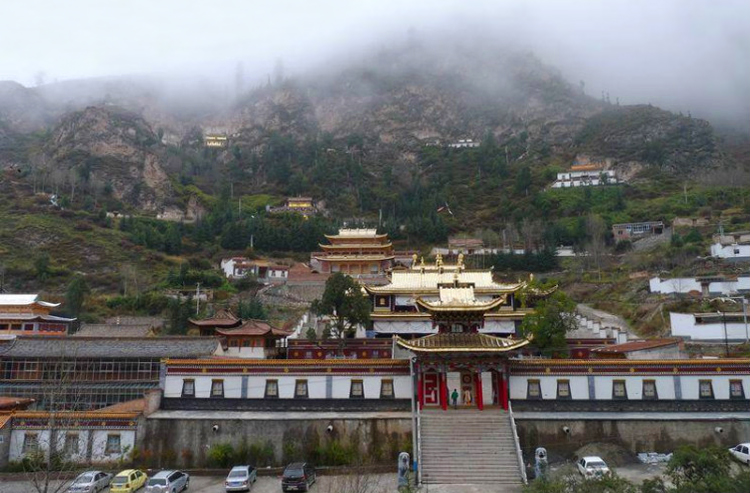
The Department of Archaeology has approved the conservation of two deteriorating historic chortens located behind the historic Jampa Monastery in Lo Manthang, Upper Mustang. The conservation initiative will be carried out following a request submitted by Lo Manthang Rural Municipality. Authorities said the restoration work will preserve the structures in their original architectural form while maintaining their historical and cultural authenticity.
According to local officials, the two chortens situated within the ancient walled settlement of Lo Manthang had been facing gradual deterioration due to age and harsh climatic conditions. The approval from the Department of Archaeology is expected to facilitate proper preservation and prevent further damage to the centuries-old heritage structures.

Heritage Preservation in Upper Mustang of Chortens
The conservation work forms part of broader efforts to safeguard the unique Buddhist cultural heritage of Upper Mustang, one of Nepal’s most historically and spiritually significant Himalayan regions. Experts say the preservation of ancient monasteries, chortens, murals, and traditional structures is increasingly important as climate-related impacts, natural disasters, and aging infrastructure continue to threaten heritage sites in the trans-Himalayan region. Officials noted that the restoration process will follow traditional architectural methods and heritage conservation standards to maintain the original character of the monuments.
Significance of Jampa Monastery
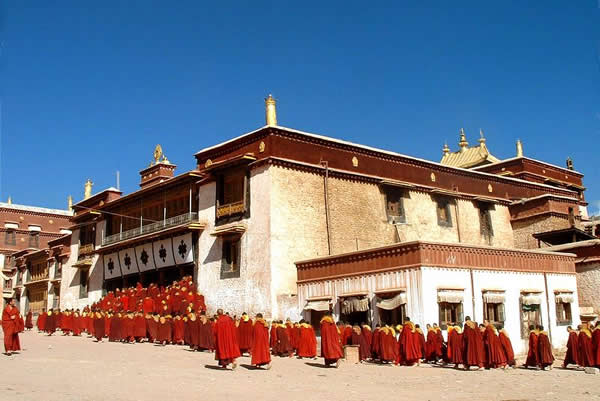
Located inside the ancient walled city of Lo Manthang, Jampa Lhakhang Monastery, also known as Jampa Gompa or Maitreya Temple, is regarded as one of the oldest and most culturally significant Buddhist monasteries in Nepal. Although earlier believed to have been constructed during the 11th century, later studies verified that the monastery dates back to the 15th century. The monastery is renowned for housing one of the world’s largest collections of Buddhist mandalas painted on its interior walls. The monastery also contains centuries-old frescoes, murals, and sacred artworks that reflect the rich Tibetan Buddhist artistic traditions of the Himalayan region.
Damage from the 2015 Earthquake
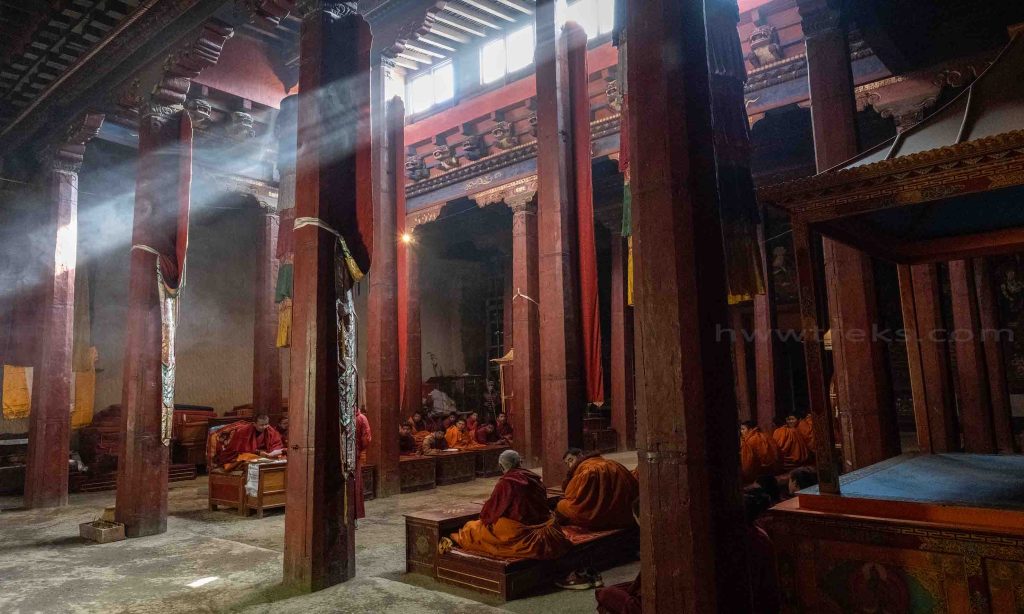
The devastating 2015 earthquake caused significant damage to the monastery’s ancient paintings, murals, and more than 500-year-old frescoes. Cracks and structural impacts were reported in several sections of the monastery complex and nearby heritage structures. Following the earthquake, international and local conservation organizations, including the American Himalayan Foundation and the Lo Gyalpo Jigme Cultural Conservation Foundation, have been supporting restoration and preservation efforts in the area.

Tourism and Cultural Importance
Lo Manthang and Upper Mustang are among Nepal’s major cultural tourism destinations, attracting visitors interested in Himalayan Buddhist heritage, ancient monasteries, and traditional Tibetan-influenced culture. Tourism experts believe that preserving heritage monuments such as the Jampa Monastery and surrounding chortens is crucial for sustaining cultural tourism and protecting the historical identity of the region for future generations.