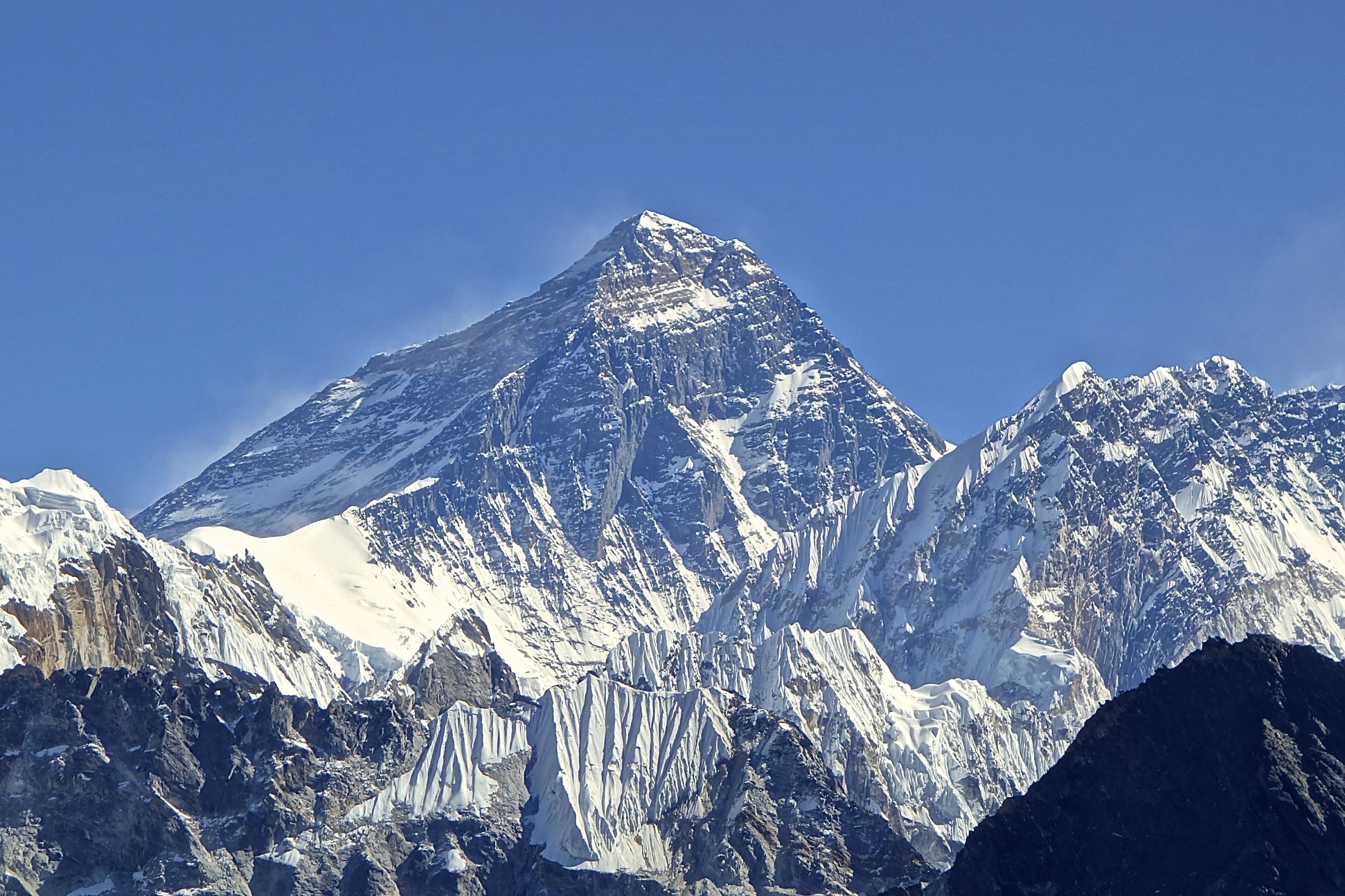
Nepal is preparing to reopen the original Everest climbing route used by Sir Edmund Hillary and Tenzing Norgay Sherpa in 1953, offering a safer and historically significant alternative to the current Khumbu Icefall passage. According to the Department of Tourism, nearly 80 percent of the new route construction via Nuptse Himal has already been completed and is expected to become operational by March–April 2026 (Spring season).
Revival of the Historic Nuptse Route
The new route, around 200 meters long, diverges from the traditional Khumbu Icefall path and approaches Everest from the base of Nuptse Himal, reducing the dangers climbers face in the Icefall section. Director Himal Gautam of the Department of Tourism confirmed that this route will be officially opened after necessary safety and environmental assessments are completed within the upcoming spring season.

The Khumbu Icefall route, which was first opened in 1984, has long been considered the most dangerous section of the Everest ascent, claiming several climbers’ lives each year due to ice collapses, avalanches, and unpredictable glacier movement. Experts believe the Nuptse route will not only minimize fatalities but also revive the mountaineering legacy linked to the earliest summit.
Leadership and International Collaboration
The expedition to rediscover and reopen this route is being led by renowned Nepali climber and researcher Kaji Sherpa, along with French alpinists Marc Batard and Antoine Erole. The Department of Tourism has officially authorized the team to develop the route up to 6,100 meters (Camp I). The project has already achieved 80 percent completion, with remaining work expected to finish by the end of winter.
According to Director Gautam, the team received permission following a Cabinet decision on Poush 21, 2081 (January 2025), and though the government has not invested financially, it has provided policy and administrative support. The initiative is largely funded by French mountaineering federations and private donors, coordinated through the Ministry of Tourism.
A Safer Alternative to the Khumbu Icefall
The Khumbu Icefall has long been regarded as one of the deadliest sections of the Everest route, where many climbers perish each year. Gautam noted that of the roughly 800 climbers and support staff who attempt Everest annually, a quarter of fatalities occur in the Icefall. Veteran climber Bijaya Ghimire highlighted that melting ice, constant crevasses, and falling seracs make it a perilous stretch.
The Nuptse Base Route, however, avoids this danger, offering a shorter, safer, and more reliable approach to Camp I. The Department believes that this shift will significantly reduce human congestion, environmental pollution, and noise at the current Base Camp area while promoting safety and sustainability in mountaineering.
Engineering, Cost, and Environmental Considerations
The project, estimated to cost USD 400,000, has already utilized around USD 300,000, according to Kaji Sherpa. The remaining funding is expected from ongoing donor commitments. The construction involves 270 fixed steps, with 220 already installed, forming the base for safety ropes and ladders.
Kaji Sherpa emphasized that this is not merely a new climbing path but a revival of national heritage. “This is more than an alpine project; it’s a reconnection to Nepal’s history and mountain identity,” he said. The initiative also aligns with environmental sustainability standards, ensuring the ecological integrity of the Everest region.
Local and International Support
The route revival effort reflects cooperation between Nepali and international stakeholders. The Himalayan Expedition Lumbini Development Fund’s goodwill ambassador Bikram Pandey and former Director General Dr. Narayan Prasad Regmi have played active roles in policy coordination and fundraising. French climber Antoine Erole, who is working closely with the Nepali team, described the project as a “symbolic bridge reconnecting Nepal with the global mountaineering community.”

Boost to Tourism and Employment
Tourism experts believe this new route will revitalize Nepal’s mountaineering industry, attract more international climbers, and create local employment opportunities for guides, porters, and tourism entrepreneurs. Everest region businessman Dawa Sherpa noted that the safer route will likely increase the number of expeditions and strengthen Nepal’s global reputation as the world’s mountaineering capital.
Rebirth of National Pride
When Tenzing Norgay and Edmund Hillary first reached Everest’s summit in 1953, they carried the pride and identity of Nepal to the world stage. By reopening their original route, Nepal not only restores a piece of its mountaineering heritage but also reaffirms its global leadership in adventure tourism.
Former Everest summiter Temba Chhiri Sherpa said, “This route is not just a trail, it’s the path of history, pride, and remembrance.” Echoing this sentiment, former Sagarmatha National Park Chief Bhumi Raj Upadhyay added, “This is not just about climbing Everest again; it’s about reconnecting with our roots and honoring our legacy.”