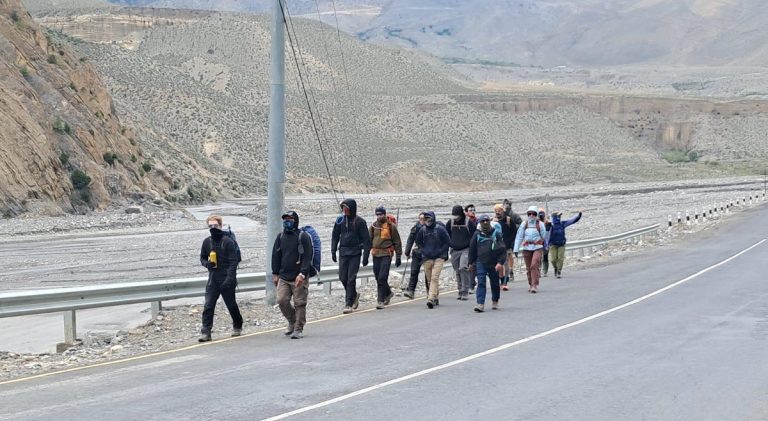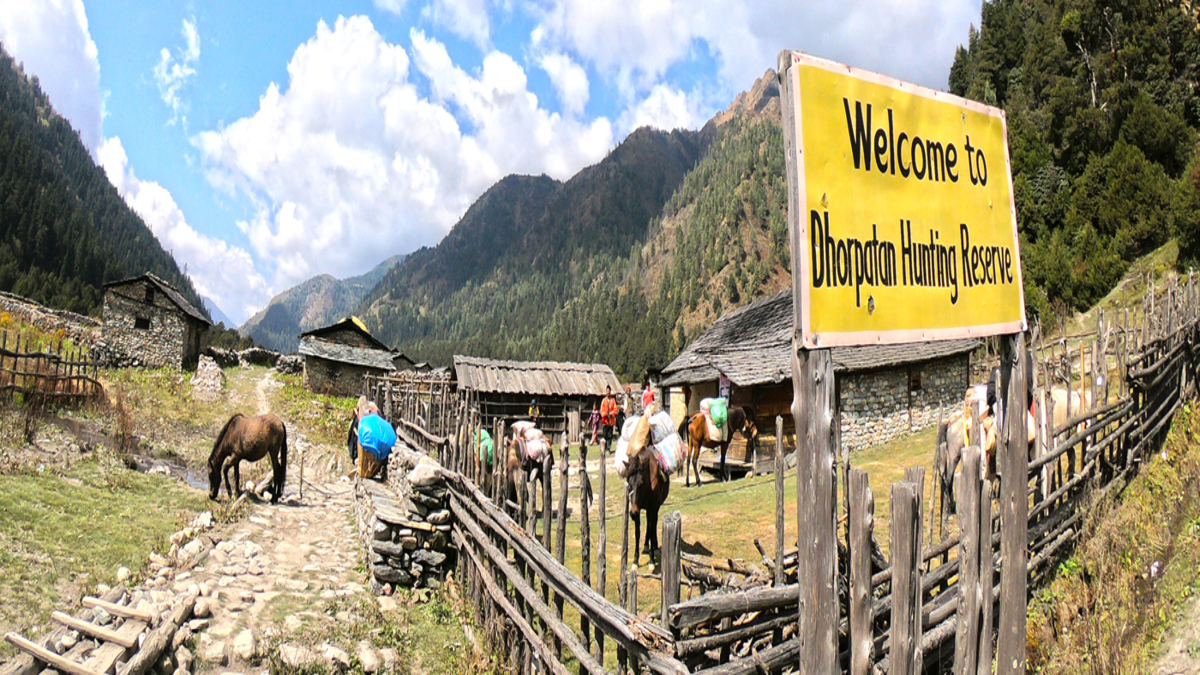
In the once-overlooked regions of Dhorpatan and Nisikhola, where a decade ago not a single homestay existed and tourists were compelled to seek informal shelter in local homes or basic cattle sheds, a remarkable transformation is underway. The growing flow of domestic and international visitors to Nepal’s only hunting reserve, Dhorpatan Hunting Reserve, along with nearby high-altitude areas such as Bukipatan, has brought a wave of opportunity. Today, both areas are witnessing a steady expansion in well-managed homestays and hotels, driven by a focused effort to strengthen local tourism capacity.
Sustainable Tourism Project Drives Rapid Growth
The acceleration of this transformation is largely attributed to the Sustainable Tourism Promotion Project, which for the past two years has been working to enhance tourism literacy, homestay operations, and hospitality skills among residents of Nisikhola Rural Municipality and Dhorpatan Municipality. As tourist arrivals continue to rise, the demand for local accommodation has also surged, creating fertile ground for community-based tourism enterprises.

With renewed interest in Dhorpatan’s pristine landscapes, cultural heritage, and wildlife offerings, previously overlooked villages are now emerging as promising tourism hubs. According to project officials, promotional efforts have helped attract tourists to remote destinations that remained hidden from mainstream travel circuits for years. In response, homestays have multiplied, and hospitality services have significantly improved, encouraging visitors to stay longer and explore the area more deeply.
Homestays Established Across 18 Locations
Project Team Leader Amar Thapa stated that the initiative has successfully supported the establishment of four homestays in Nisikhola and twelve in Dhorpatan, making a total of eighteen operational units. Each homestay has received material support worth Rs 2,50,000, totaling Rs 45 lakh in assistance over two years. Thapa added that an additional twelve homestays are planned, reflecting increasing enthusiasm among locals who now recognize tourism as a viable source of income. “Dhorpatan and Nisikhola hold immense tourism potential,” Thapa said. “There are numerous unexplored attractions here.
By helping communities establish and operate homestays, we are promoting decentralized tourism development. All homestays are community-led, and no visitor will face food or lodging problems in these areas anymore.” He emphasized that homestays also play a vital role in preserving disappearing art and cultural traditions, while simultaneously promoting local products, empowering women, and generating youth employment. To strengthen service quality, the project has also provided training on hospitality, culinary skills, and eco-friendly tourism practices.
Local Residents See Remarkable Change
Residents who witnessed the region’s slow tourism development in the past say the improvements are striking. Jeevan Pun from Pakhathar in Dhorpatan Municipality-9 recalled that just a decade ago visitors often had no option but to sleep in cattle sheds, as the area lacked even basic hotels. “Five to seven years ago, tourists had no proper place to stay; there were only a few makeshift shelters,” Pun said. “Now, with the opening of many homestays and several hotels, visitors no longer face hardship when looking for food or accommodation.” Pun credits the project for raising tourism awareness and providing essential support, enabling locals to gradually build a sustainable tourism economy.
New Homestays Begin Operations in Nisikhola
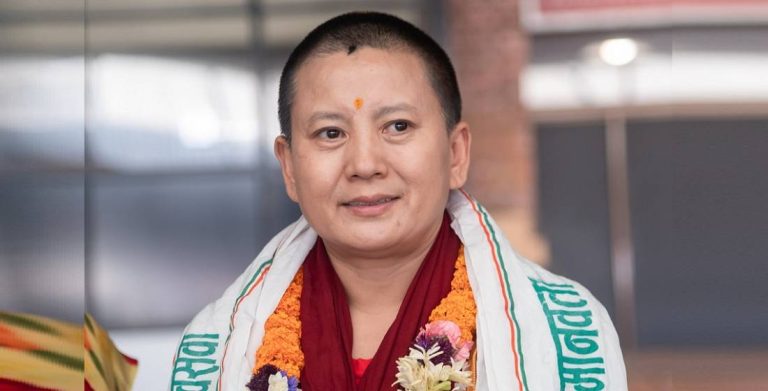
Until recently, Nisikhola Rural Municipality-6, Budathok, did not have a single homestay in operation. However, following one month of intensive training provided by the Sustainable Tourism Promotion Project, four households led by Beena Budha Magar have now begun offering homestay services. According to Budha Magar, the region is finally prepared to attract visitors with authentic local cuisine, cultural experiences, and traditional performances.

She believes that improved facilities and proper promotion will encourage more tourists to explore Nisikhola, reducing the need for visitors to travel back to Burtibang Bazaar for meals and lodging, a challenge that long hindered tourism expansion in the area. “Earlier, tourists had no option but to return to Burtibang for food and stay,” she said. “Now, with organized homestays, that problem is solved. We are excited to welcome visitors with local flavors and cultural hospitality.”
A Growing Hub for Community-Based Tourism
With community-led homestays flourishing, improved hospitality infrastructure, and rising promotional initiatives, Dhorpatan and Nisikhola are emerging as strong prospects for sustainable and inclusive tourism development. Local leaders believe this momentum will not only boost the regional economy but also safeguard cultural heritage and strengthen community identity. As the number of homestays grows and tourism awareness deepens, the region is steadily transforming into a thriving destination capable of offering authentic rural experiences to visitors from Nepal and abroad.