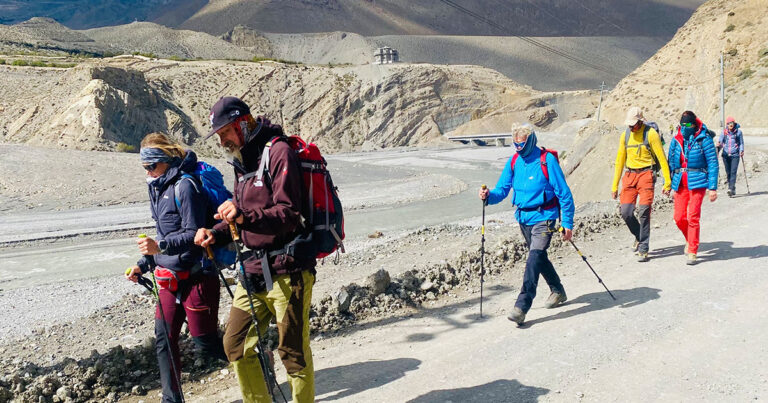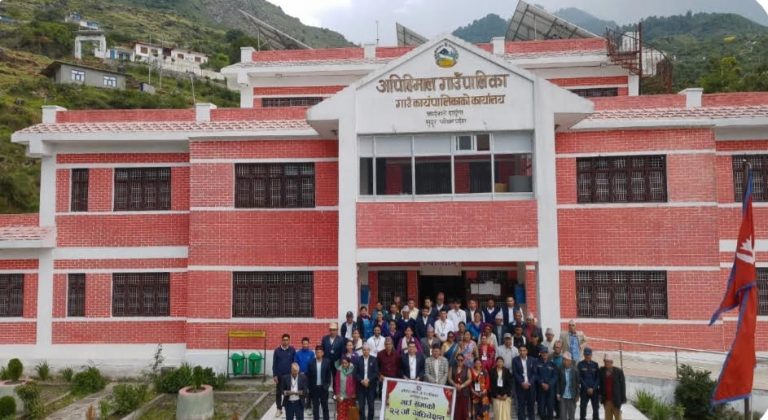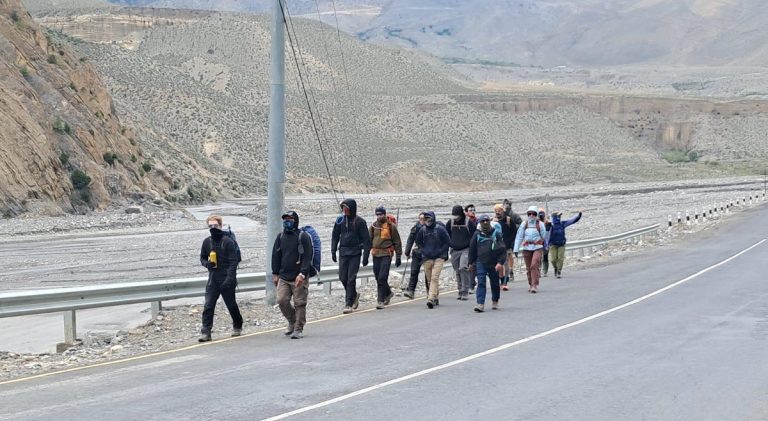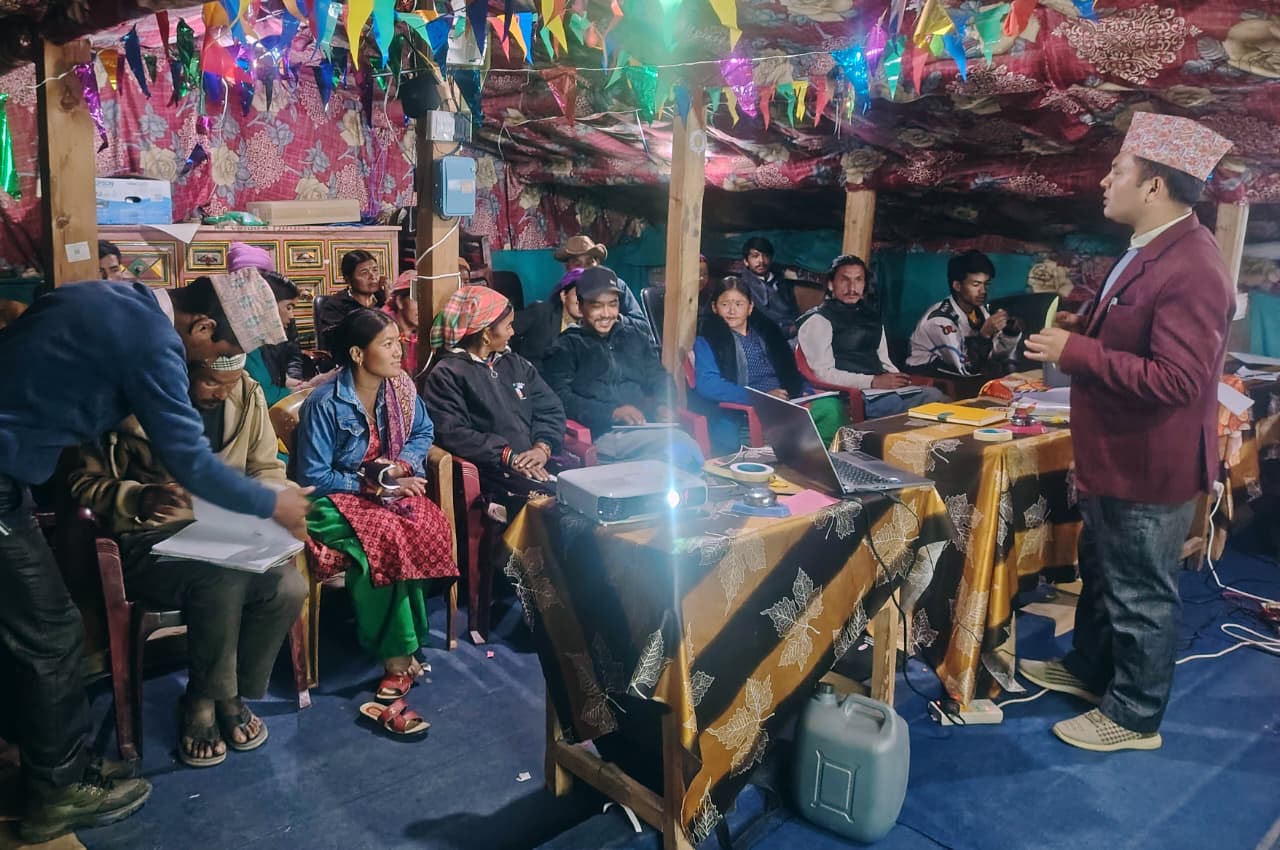
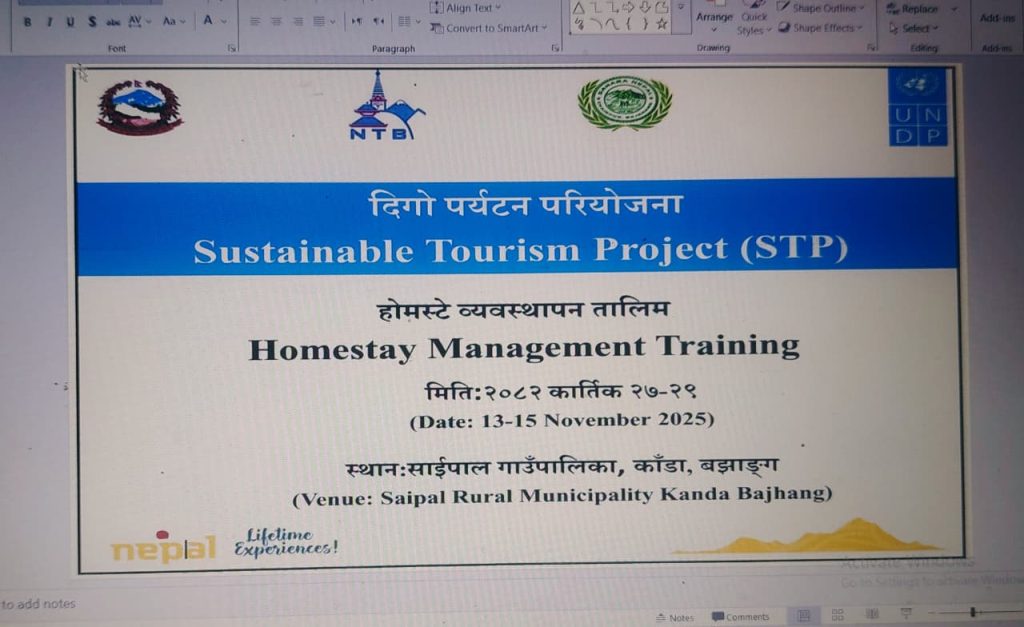
The remote but culturally rich Saipal region is emerging as a promising rural tourism hub, driven by growing interest in community-based travel experiences. In an effort to strengthen this potential and make homestay services more professional, organized, and sustainable, a three-day Homestay Management Training has been launched in Kanda, Saipal Rural Municipality–3.
The program, which began on Kartik 27, is jointly organized by the Sustainable Tourism Project (STP) under the Nepal Tourism Board and UNDP, in collaboration with Saipal Rural Municipality and Sahara Nepal Bajhang. The initiative aims to energize rural tourism in Saipal by enhancing local skills, building confidence, and preparing communities to welcome visitors with improved standards.
Building Capacity for Sustainable Tourism
According to the organizers, the training has brought new momentum to Saipal’s vision of developing sustainable rural tourism. Beyond teaching hospitality skills, the training helps villagers gain confidence and recognize the economic opportunities embedded in tourism.

STP has prioritized the tourism development of the Api-Saipal trekking route, focusing on local skill-building and capacity enhancement to strengthen rural and sustainable tourism models. The homestay training in Saipal is part of this broader strategy.
Local Leaders See a Future Rural Tourism Hub
During the training’s inauguration, Saipal Rural Municipality Chair Manbir Bohara highlighted the region’s immense potential in terms of nature, culture, and hospitality. He emphasized the need to guide homestays toward a sustainable tourism model to position Saipal as a “future key rural destination.”
Vice Chair Dolma Tamang, Chief Administrative Officer Sandesh Prasad Joshi, and ward officials expressed confidence that the training would encourage locals toward self-reliant and sustainable tourism practices.
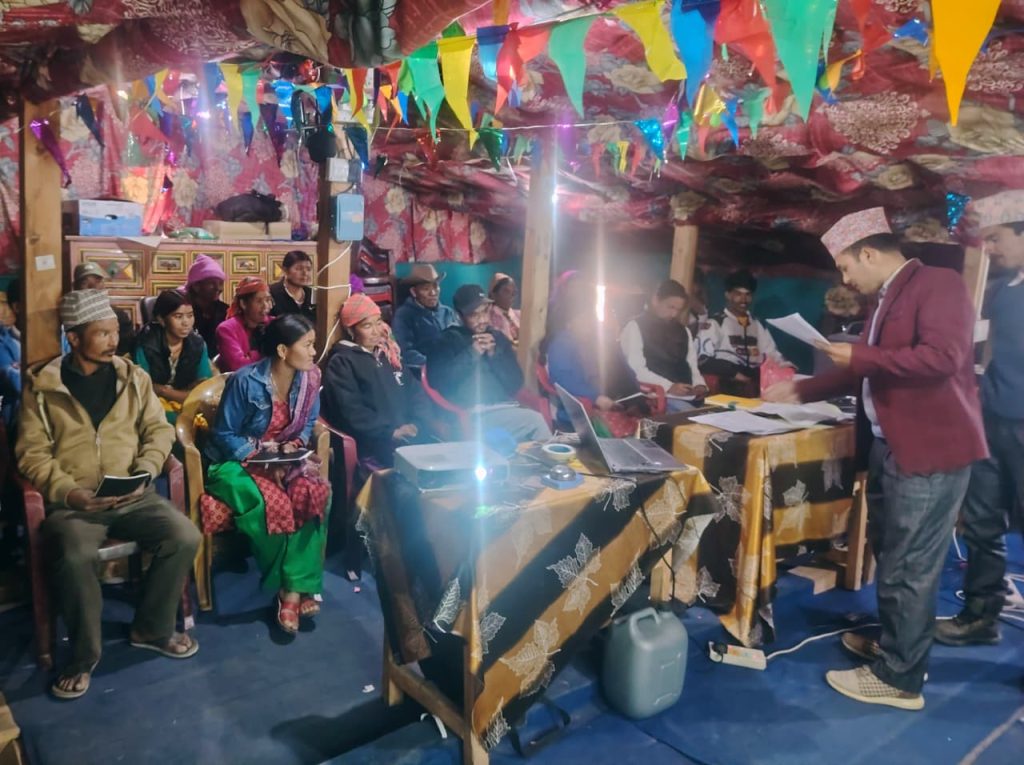
Strong Participation, Especially from Women
A total of 21 participants, including 11 women and 10 men from Wards 1 to 4, took part in the training. The significant female participation indicates a rising interest in tourism entrepreneurship at the grassroots level. Participants were trained in essential hospitality skills such as welcoming guests, presenting local cuisine appealingly, setting fair pricing, and creating tourist-friendly homestay environments.
Practical Skills From National-Level Trainers
The sessions were led by Suraj Bastola, Treasurer of the Homestay Federation of Nepal, who provided comprehensive training on:
- Basics of homestay and tourism
- Registration standards and operating procedures
- Roles and responsibilities of homestay operators
- Marketing and promotion
- Sustainability and good governance
- Hospitality and service quality
- Annual work-plan development
He also explained the mandatory requirements for registering a homestay under the Homestay Operation Procedure 2067, including structural standards, sanitation and safety measures, service lists, and community recommendations. Registered homestays are required to maintain transparent pricing, meet health and safety standards, and preserve local attire, culture, and traditions.
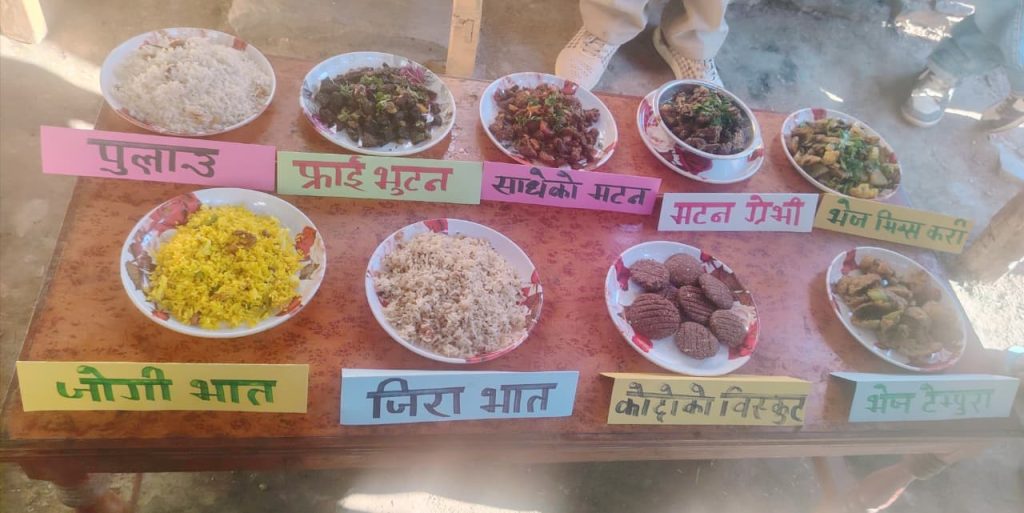
Rediscovering the Value of Local Cuisine
During the practice sessions, participants expressed curiosity about why tourists enjoy traditional dishes such as buckwheat biscuits, nettle soup, millet pudding, and maize–finger millet delicacies. After hands-on demonstrations, many participants said they developed a newfound appreciation for their own food culture.

“This training made us realize the value of our local dishes. Tourists actually love them,” participants said. Trainers emphasized that the essence of homestay tourism lies in connecting local identity with tourist experiences.
Transforming Lives Through Tourism
Chair Bohara noted that although Saipal is geographically remote, it holds immense tourism potential and the community is ready to welcome visitors. Many women who were previously confined to household roles are now learning management, accounting, pricing, customer service, and annual planning through the training. One participant shared, “We once believed tourists would never visit our village. Now, we feel our natural environment itself is becoming our source of livelihood.”
Rural Tourism Expanding Nationwide
Nepal currently has 7,000 registered and nearly 5,000 unregistered homestays in operation, each hosting an average of 250–300 guests annually. These numbers highlight the vast scope of rural tourism in the country, and Saipal is now becoming part of this growing journey. With improved skills, rising confidence, and expanding tourism infrastructure, Saipal is steadily positioning itself as a model destination for sustainable rural tourism in Nepal.