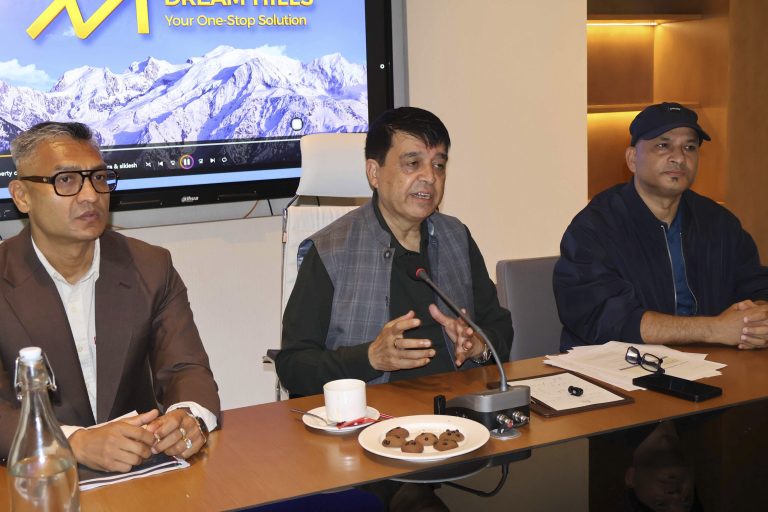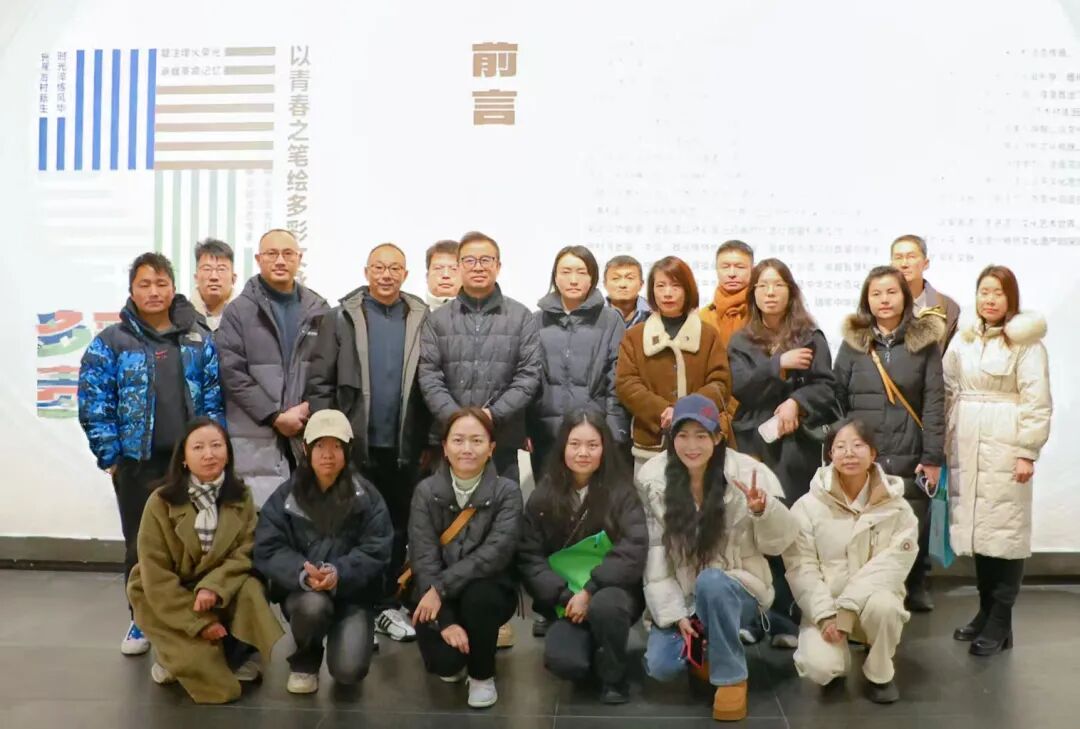
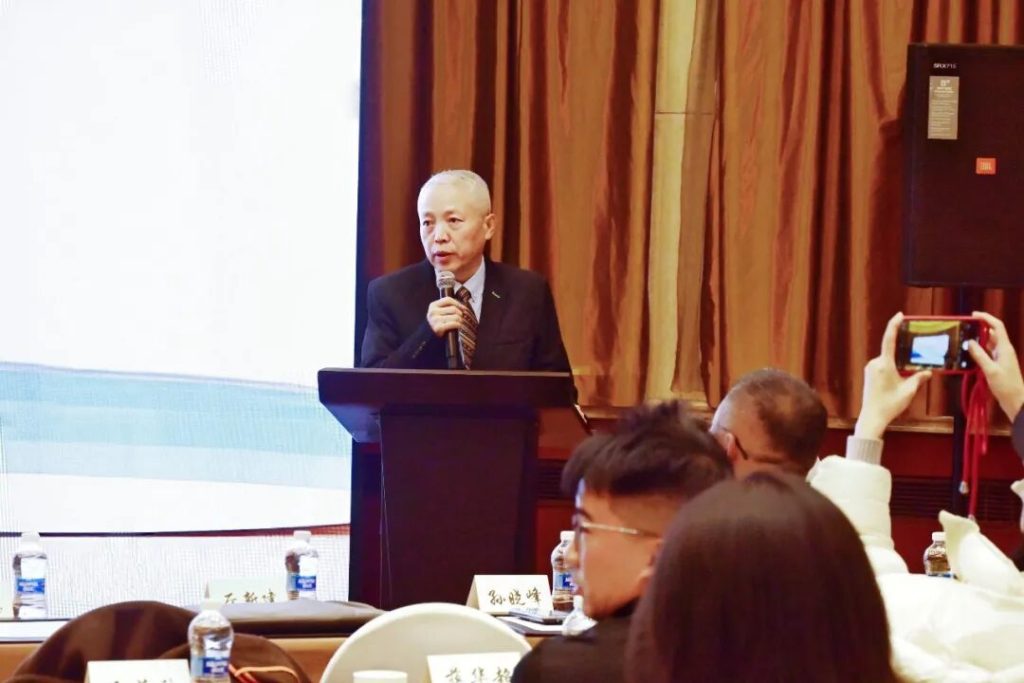
A three-day thematic training program titled “Value Reframing and Experience Enhancement: New Pathways for Mountain Tourism Development” was successfully held in Guiyang from December 22 to 24, bringing together more than 70 domestic and international tourism experts, IMTA members and industry representatives. The program was organized by the International Mountain Tourism Alliance (IMTA). The opening ceremony was attended by IMTA Vice Chairman Liu Zhaohui, who delivered the keynote address highlighting the changing direction of mountain tourism development.
Addressing the participants, Liu Zhaohui stated that mountain tourism is transitioning from a development model driven mainly by natural resources and visitor numbers to a new phase focused on value creation, quality experiences and sustainability. He explained that achieving “value reframing” requires three major shifts: moving from a resource-oriented mindset to a value-driven approach, transforming single-format tourism products into diversified and integrated experience scenarios, and advancing from extensive growth to green and sustainable development.

Aligning Policy, Market Demand and Innovation
Li Xinjian, Executive Dean of the Capital Institute of Culture and Tourism Development at Beijing International Studies University, emphasized that high-quality development of mountain tourism must closely align with national policies and evolving consumer preferences. He noted that integrating policy opportunities with market logic is essential for successfully enhancing tourism experiences and creating new development momentum.
Chen Gang, Founder and CEO of Mafengwo, observed that changes in holiday systems, upgrading consumption patterns and technological innovations are reshaping the mountain tourism market. He said travelers are increasingly seeking immersive and participatory experiences and are more willing to pay for meaningful and high-quality tourism products.
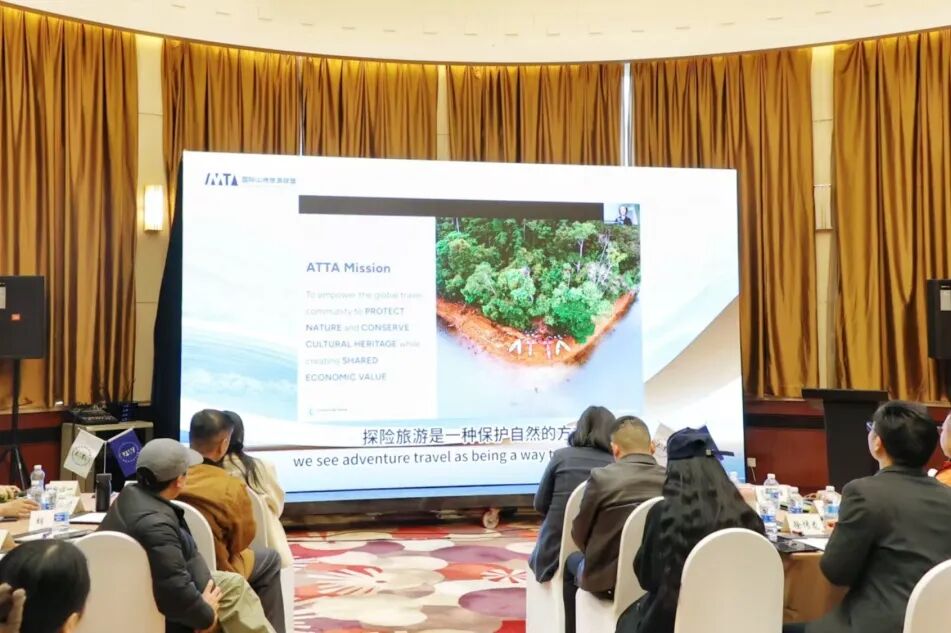
Representing the international adventure tourism sector, Hannah Pearson, Asia-Pacific Director of the Adventure Travel Trade Association (ATTA), stressed that in-depth experiences and robust safety systems are fundamental pillars for the sustainable development of adventure-based mountain tourism.
Sharing Practical Models and Local Success Stories
Experts at the program shared insights on mountain homestays, the integration of culture, sports and tourism, the revitalization of intangible cultural heritage, and community co-development models. They highlighted the importance of ecological conservation, cultural preservation and industrial diversification in achieving shared value and long-term sustainability. Local cultural and tourism authorities also presented case studies on homestay-driven economies, tourism-led sporting events and regional collaboration models that are contributing to local economic growth.

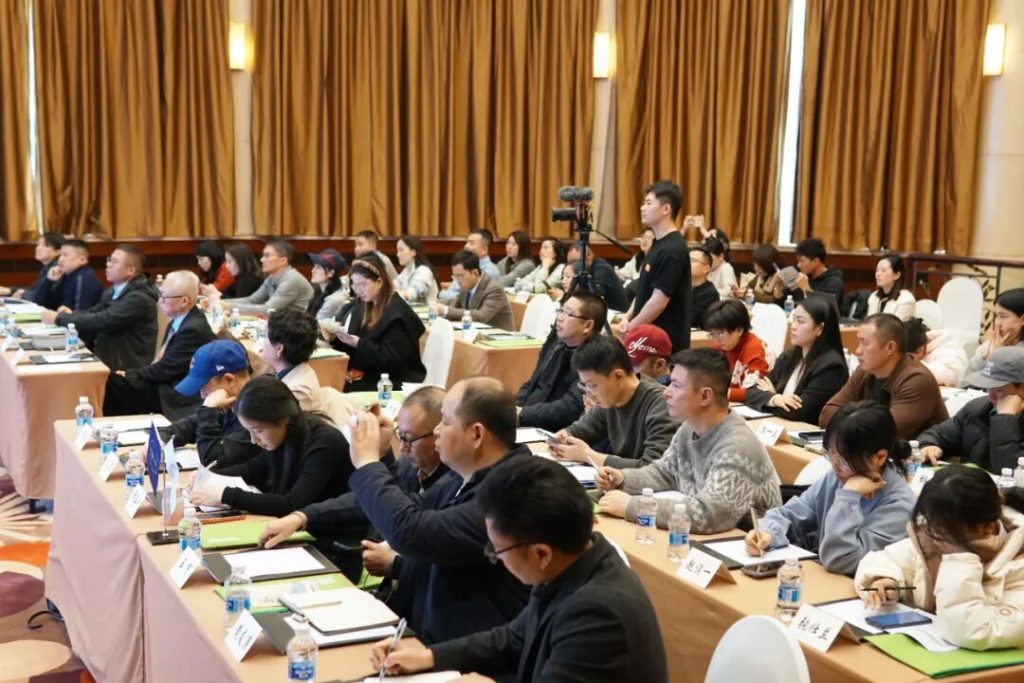
Participants took part in field-based learning activities and interactive discussions throughout the program. Many attendees noted that the training was well-structured and rich in practical case studies, providing actionable ideas to overcome development bottlenecks and strengthen operational capacity in mountain tourism destinations.
IMTA’s Continued Commitment to Sustainable Mountain Tourism
Guided by the principles of protecting mountain resources, preserving mountain civilization and promoting mountain economies for the benefit of local communities, IMTA has been conducting a series of thematic training programs in recent years. These initiatives aim to improve both the quality and efficiency of mountain tourism development while contributing positively to global sustainable development efforts in mountain regions.